
RAF veteran's vision loss revealed an incurable brain tumour
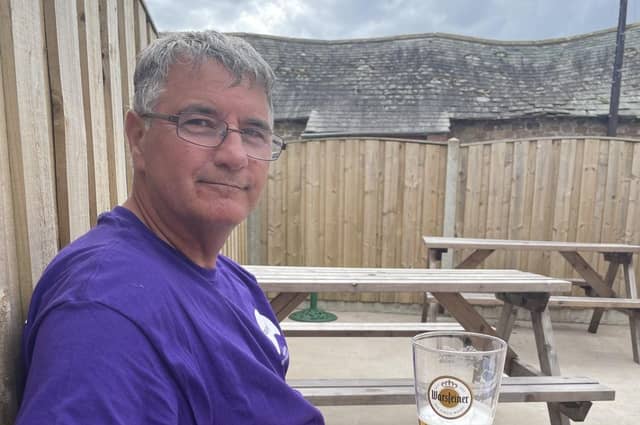

A retired RAF technician from Lincoln began losing his peripheral vision while on holiday – a symptom later revealed to be a highly aggressive and incurable brain tumour.
A retired RAF technician from Lincoln began losing his peripheral vision while on holiday – a symptom later revealed to be a highly aggressive and incurable brain tumour.
Neil Sturge, 63, was enjoying a break in Barbados with friends and his wife, Roma, in August 2021 when he mentioned he couldn’t see out of the corner of one eye. At first, it was brushed off as nothing serious, but after returning home, he visited Jason Rickaby Opticians in Lincoln. He was referred to Lincoln County Hospital and then Queen’s Medical Centre in Nottingham, where CT and MRI scans confirmed a diagnosis of grade 4 glioblastoma – the most aggressive form of brain tumour with a prognosis of 12 – 18 months.
Roma, 62, said: “Neil was my partner for more than 40 years – my best friend and the person who made life feel safe. He was strong, calm, quietly funny, and incredibly generous. We had built such a full life together, raising two children, travelling the world, and planning our retirement.
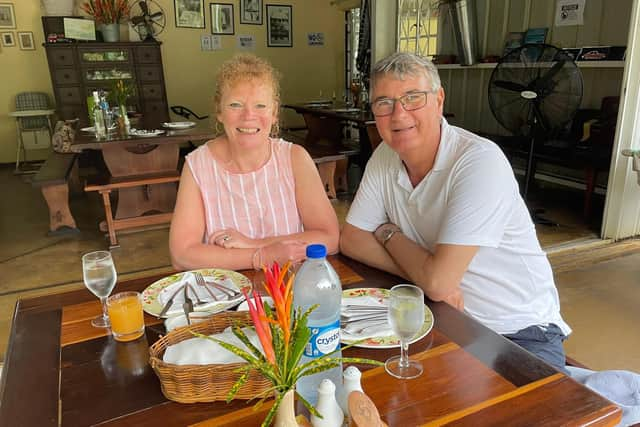
“When he first mentioned his vision, we joked about it being the cocktails, but when the diagnosis came, it was like being hit by a train. He had always been so healthy and active – it felt impossible to accept. But Neil, being Neil, just got on with it. He was determined to fight it head-on.”
Neil, who had served 26 years in the RAF as a Chief Technician and later worked for the NHS in IT services, underwent surgery three days after diagnosis to remove 97% of the tumour. He then began intensive radiotherapy and multiple cycles of chemotherapy. Though treatment started well, complications followed, and Neil’s condition worsened over time.
However, in November 2022, a follow-up scan brought the couple rare but welcome hope.
“When they told us the tumour had shrunk by a third, it was like being able to breathe again,” Roma said.
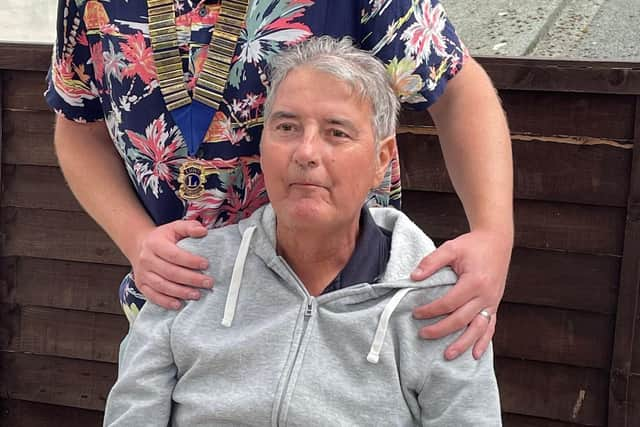
“It was the first time in over a year that we felt hope. Neil had been so strong through everything, and this news felt like a small reward for all he’d endured. That Christmas, he surprised me with a trip to Mauritius for my 60th birthday – something he’d been quietly planning, even while fighting for his life. I’ll never forget that – it was his way of showing love, even when he must have been exhausted.”
But in spring 2023, Neil’s health declined. A stomach bug, combined with complications from treatment, diabetes, and a ruptured Baker’s cyst, took a heavy toll. Unfortunately, Neil died on 9 July 2023, less than two years after his diagnosis.
Brain tumours are indiscriminate; they can affect anyone at any age and kill more men under 70 than prostate cancer. Yet just 1% of the national spend on cancer research has been allocated to brain tumours since records began in 2002.
Determined to honour his memory, Roma is now organising the Mad Hatters Ball, to take place on 19 July 2025 at the International Bomber Command Centre in Lincoln. Inspired by Neil’s love of socialising – and Brain Tumour Research’s Wear A Hat Day campaign – the event will include live music, a disco, champagne reception, auction and raffle, with more than 100 guests expected. It will also poignantly take place during Glioblastoma Awareness Week, shining a spotlight on the aggressive type of brain tumour that took Neil so soon.
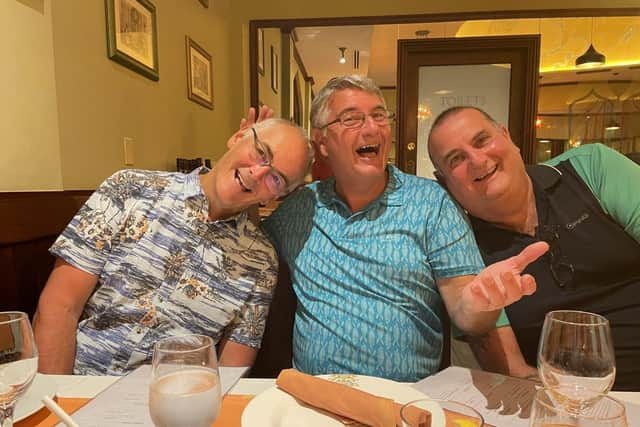
Roma said: “Losing Neil was absolutely devastating. There are still days when the grief feels just as fresh as it did the day he died. But I knew I couldn’t let that be the end of his story. Neil gave so much of himself to others – through the RAF, the NHS, the Lions Club, and years of coaching children's swimming – and I wanted to do something in that same spirit.
“Organising the Mad Hatters Ball has given me purpose, and knowing it’s helping raise awareness and funds for brain tumour research makes me feel like Neil’s still making a difference. It’s also a way for us to celebrate who he was – full of life, laughter and love.”
Ashley McWilliams, community development manager at Brain Tumour Research, said: “Neil’s story is a powerful reminder of how devastating and indiscriminate brain tumours can be. Roma’s decision to turn her loss into action is incredibly inspiring. The Mad Hatters Ball is not only a moving tribute, but a meaningful step toward change. We’re so grateful for her support.”
To join the Mad Hatter’s Ball, visit: