
Balancing a full-time job with your passion: Why more people are choosing to do both
More and more people are choosing to diversify their working lives by balancing a career with a second job that brings purpose or passion.
According to the Office for National Statistics, more than 1.2 million people in the UK currently have a second job, and that number is growing year-on-year.
At The Pauline Quirke Academy of Performing Arts (PQA), many of our academy principals balance their weekday jobs with running academies on weekends, turning their passion into a flexible and rewarding side career, says Emma Taylor of PQA.
Whilst some have moved from it being a part-time career to a full-time one, running multiple academies across the region, either on their own or with a partner or friend.
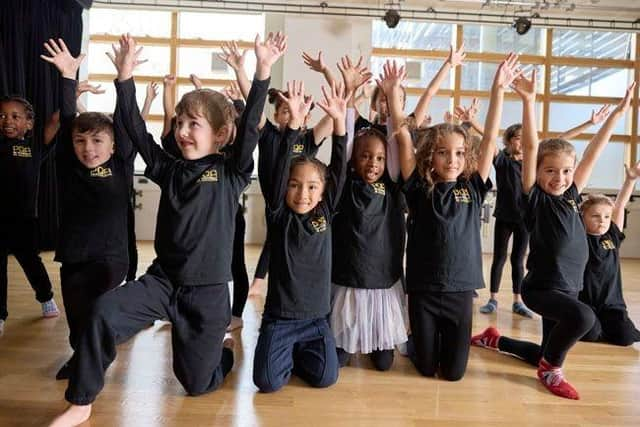

If you’re unsure whether you could combine a full-time job alongside your passion, here are some key benefits and top tips for doing so.
Job Satisfaction
Job satisfaction plays a huge role in our overall happiness and well-being, yet according to research by Indeed, 1 in 3 workers are unhappy with their job. Pursuing a secondary job that aligns with your passions can create a greater sense of purpose, which contributes to overall happiness across all areas of your life.
This creates a “positive spillover effect”, where the enjoyment and satisfaction gained from your passion project reinforces performance and attitude in your primary career. At PQA, many of our principals report that teaching young performers gives them a sense of purpose that complements their weekday careers.
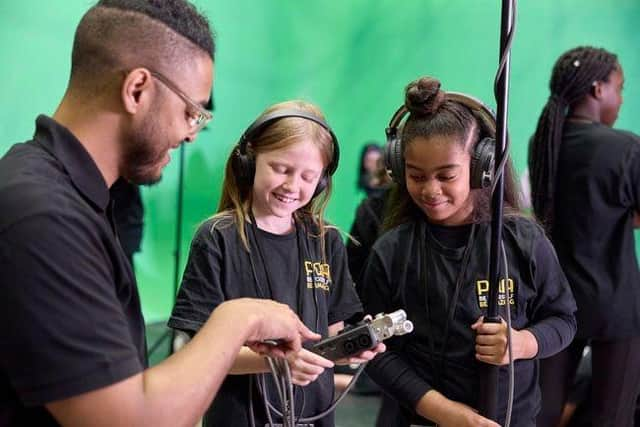
Emma Jepson, a police control manager in Lincolnshire, with 18 years’ experience in the emergency services, has found job satisfaction by balancing her full-time role managing 999 responders with her lifelong passion for the performing arts.
Alongside her full-time job, Emma runs a performing arts academy supporting young people in developing confidence and life skills. Talking about both jobs she said, “I have the best of both worlds… keeping people safe, alongside my passion for helping the generation of tomorrow develop skills for life and become whoever they want to become. I love the balance and opportunities both jobs bring.”
Rewarding
In many jobs, particularly those with long-term goals or behind-the-scenes responsibilities, tangible achievements aren’t always immediate or recognised. This disconnect between effort and visible results can make it hard to feel a sense of progress or accomplishment, which can lead to job burnout and disappointment.

This is why having a second job is beneficial and can make a big difference, especially one that’s both creative and entrepreneurial. Whether you’re teaching young performers who visibly improve each week or watching your business grow, these activities can provide a sense of accomplishment that may be missing from your primary role.
Skill Development
A second job naturally develops a different set of skills from those required in your primary role. It demands organisation and time-management abilities to balance both commitments effectively. This creates a positive cycle of skill development, where the strengths gained in one role strengthen your capabilities in the other, leading to continuous personal and professional growth.
Financial Security
Beyond the personal fulfilment it brings, a second job offers clear financial benefits, making it even more appealing. A second job reduces your reliance on a single employer, providing greater financial stability. Many people find this security allows them to get back into their passion, creating additional opportunities that otherwise wouldn't exist without the extra revenue.