
Record number of Lincolnshire businesses in financial distress
The number of Lincolnshire businesses experiencing financial distress reached a record high in the third quarter of this year, according to the latest Begbies Traynor Red Flag Alert research, which has provided a snapshot of corporate health in the UK for almost two decades.
The report for Q3 2024 reveals that ‘significant’ or early-stage business distress had climbed rapidly, affecting 1,795 businesses in Lincolnshire and 633,000 businesses across the UK. In Lincolnshire, the number of companies with financial problems had increased by more than a third (35.9%) since the same quarter in 2023 and by 0.6% since Q2 of this year. For the UK as a whole, ‘significant’ distress was up 5.1% on the previous quarter and 32.3% higher than Q3 2023.
Driving increased distress in Lincolnshire, the food and drink sector saw a marked quarter-on-quarter rise of 27.1% and a year-on-year increase of 117.9% for food and drug retail; in food and beverage production, distress had risen by 25% since the previous quarter and by 127.3% since the same period last year.
Other sectors in Lincolnshire facing financial challenges, according to the latest Begbies Traynor figures, included leisure and cultural activities, where distress had risen by 80.8% since Q2 of 2024 and by 38.2% year on year. Professional services have also faced difficulties: regional distress in the sector, which includes accountants, architects and solicitors, was up by 18.5% since the previous quarter and by 22.1% since Q3 of 2023.

Construction remained the sector with the largest number of financially distressed businesses. At 344 firms in Lincolnshire, that was up by 33.9% year on year but by only 0.3% on the previous quarter.
With 19 of the 22 sectors monitored in Lincolnshire by Red Flag Alert reporting levels of ‘significant’ distress up year on year, the latest data highlights how economic uncertainty is impacting businesses across the economy, pushing another 474 Lincolnshire businesses into financial distress since Q3 2023.
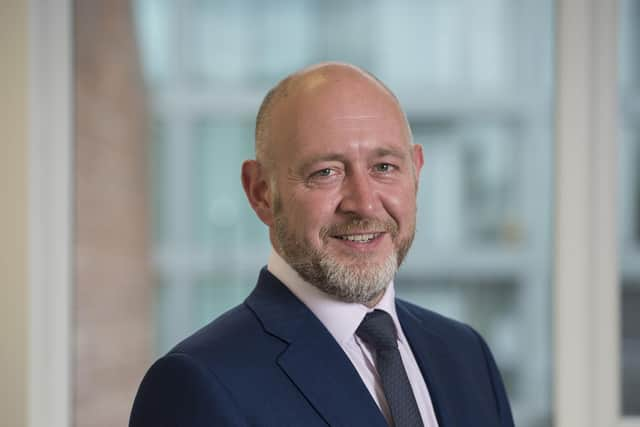
Gareth Rusling, who heads Begbies Traynor’s Lincolnshire offices in Lincoln, Scunthorpe and Grimsby, said: “It seems that almost no area of the economy has escaped from the uncertainty that is weighing so heavily on business, hindering everything from consumer spending to investment.
“2024 has been another tough year to navigate for a lot of businesses. While many are awaiting clarity over what this month’s Budget will bring, business leaders are anticipating that companies and investors could bear the brunt of changes to the tax regime.
“This is set against the backdrop of wider geopolitical instability, including over the US election and the ongoing and escalating conflict in the Middle East, both of which will have worldwide consequences.
He added: “We all hope that 2025 will be the year that the UK economy finally turns a corner but, while there are tentative signs of recovery, the high levels of debt that so many businesses have accumulated could unfortunately result in high levels of insolvencies still to come. As ever, businesses who feel they are struggling financially would be well advised to seek professional advice before the situation becomes irreparable.”