
Tiny village could have 40,000 lorries rumbling past per year under plans
Residents say their Lincolnshire village is the “most inappropriate location possible” for a proposed biogas plant which would mean constant traffic.
As reported recently by Lincolnshireworld, Glentham in West Lindsey already hosts one of these facilities, with a larger one planned nearby.
Planning documents estimate around 40,000 lorries, tankers and tractors would enter and leave the new site each year – peaking at 333 every day during the summer.
VIDA Bioenergy Ltd, the company behind the plans, say it would use crops and cattle waste to provide much-needed renewable energy, powering around 19,000 homes.
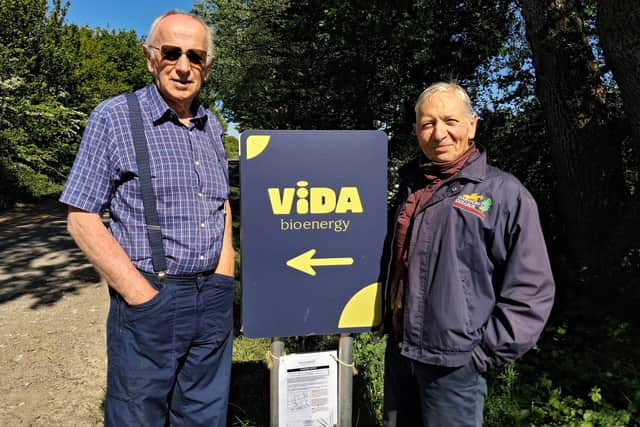

However Jeff Summers, the former leader of West Lindsey District Council who lives nearby, says the highways are being damaged by the surge of HGVs from the first application and doesn’t want to see more.
“It has left the roads in a disgraceful state, it’s just ridiculous” he told the Local Democracy Reporting Service.
“It’s an industrial site in the most inappropriate countryside location imaginable. The roads just aren’t wide enough to handle them.
“The first site has generated more traffic than we were told during the 12 months it’s been open, and the new site will be even bigger.

“If this level of traffic is multiplied several times, what will happen?”
He points to “severe damage” outside the existing site on Barff Lane, which has deep ridges on both sides, as evidence of the impact.
The new application is for land off nearby Cross Lane, with large vehicles instructed not to come through the village itself.
Local resident Ray Postolowsky said he’d seen cars damaged after encountering HGVs on the narrow roads.

“When you see a HGV hurtling towards you, you move to the side of the road. Unfortunately, more than a few people have gone into a pothole thinking it’s a puddle – some are up to 20mm deep.”
He’s particularly concerned about safety on the junction where Cross Lane meets the A631.
The application has attracted opposition from the local parish councils and Mayor Dame Andrea Jenkyns.
A spokesperson for VIDA Bioenergy Ltd said: “We recognise that our proposal has raised concerns locally, particularly around HGV movements and the impact on nearby roads.
“We are committed to working with the community and are grateful for the feedback we have received to date, which is currently being reviewed and considered by our planning and highways specialists.
“We are aware that many residents are concerned with the figure of 333 HGV movements per day and we would like to stress that these are peak movements during the harvest season.
“This will only occur over a short period and is in line with seasonal agricultural traffic. Across the year, in reality, the figure will be significantly lower.
“We are also continuing to engage with the local highway authority to ensure that any proposed access or works meet the required standards and reflect local infrastructure considerations.
“The proposed anaerobic digestion plant would generate around 220 GWh of biomethane each year, enough to meet the domestic gas needs of approximately 19,000 homes annually.
“It would also recover around 31,000 tonnes of CO₂ each year and produce approximately 230,000 tonnes of digestate for use as a soil improver or fertiliser, supporting the local agricultural sector.
“We remain committed to keeping the community informed as our site access plans develop and will notify residents of any relevant updates to access arrangements or the wider project.”
The application will be determined by Lincolnshire County Council at a later date.