
Community traditions, culture and sports invited to be part of new UK living heritage inventory

The founder of a now world famous bizarre sporting event held in Lincolnshire is typing up his application to be part of a new inventory of the UK’s living heritage.
From cheese rolling to bagpiping, the UK government has launched a search for traditions that define our communities.
People are invited to submit their beloved traditions - from Highland dancing to Pancake Day - for recognition as UK living heritage – the first major step following UK government ratification of the 2003 UNESCO Convention for the Safeguarding of the Intangible Cultural Heritage last year and a public consultation.
The new UK-wide inventory will celebrate cultural traditions and highlight their contribution to communities and the economy, sparking a national conversation about the crafts, customs and celebrations valued by communities, helping to safeguard them for future generations.

It was confirmed that potential submissions to the new inventory will be accepted under seven categories: oral expressions; performing arts, social practices, nature, land and spirituality, crafts, sports and games, and culinary practices. This could mean Lincolnshire may submit its distinctive delicacies – Lincolnshire sausages, stuffed chine and plumbread – for inclusion.
Living heritage encompasses practices passed down through generations - from tartan weaving and dry-stone walling to cèilidh dancing or Gloucestershire’s cheese-rolling, Eisteddfodau or Burn’s night suppers. It could also include traditions brought to the UK by immigrant communities, such as the Notting Hill Carnival and steel-drumming.
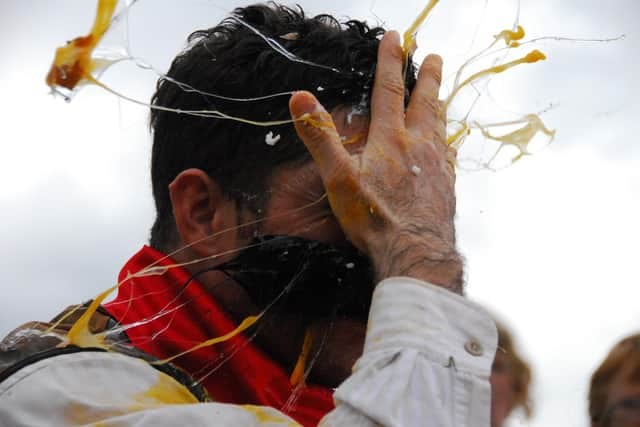
Andy Dunlop, president of the World Egg Throwing Federation and their world championships is already submitting his application. It is held every year as part of the Swaton Vintage Day, a volunteer-run rural festival including craft displays, food stalls, and agricultural exhibitions.
He claimed: “Unlike some of the examples quoted (odd people running down hills, odd men dancing as if on hot coals, odd women running down streets with a frying pan) the sport of egg throwing fits the bill totally as no odd people are involved!
“In folk lore we can trace our existence back to 1322 and continue to this day as a whole community led sporting event. We look forward to our rightful and deserving inclusion on the list.”
Participants engage in a series of humorous yet skill-based competitions involving the throwing, catching, and playful use of eggs. Over two decades, the event has evolved into a community expression of creativity, rural identity, and collective celebration, involving participants of all ages and backgrounds from around the world as well as locals.
Andy explains the championship reflects the long-standing British tradition of village fêtes and rural sports while celebrating creativity, playfulness, and collective enjoyment.
He said the event brings together volunteers, families, and visitors, strengthening communal ties. Swaton is widely recognised as the home of egg throwing, creating a sense of local distinctiveness, and funds raised support local causes.
He added: “Continued community involvement and local authority support remain essential to the tradition’s sustainability.”
Heritage Minister Baroness Twycross said: “From Highland Dancing to cheese rolling and the carving of Welsh love spoons these traditions form the rich tapestry of UK culture and identity.
“These crafts, customs and celebrations are often what makes people feel proud of who they are, where they come from and where they live. They also boost local economies and businesses.
“Whatever living heritage communities value, we want to hear about it. I encourage people to get together and share their traditions through this national conversation.”
Latest research from Historic England shows that the heritage sector contributed over £15 billion to the economy in England in 2022. Our craft sector alone contributes thousands of jobs and over £400 million annually. For individual places, living heritage traditions can also be vital economic draws, such as the Ottery St Mary’s tar barrels which attracts 20,000 visitors to the town annually.
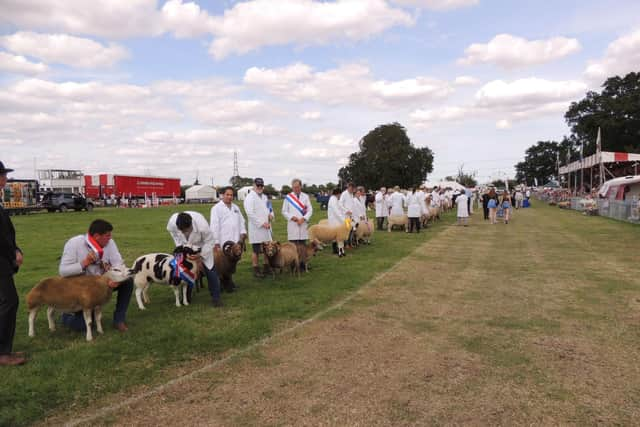
However this is dwarfed by the scale and long-standing traditions of the annual Heckington Show in Lincolnshire.
The inventory will help to identify the economic value of our traditions, and support efforts to grow this area of national life.
As living heritage should only be recognised by the communities that practice it, these groups must be involved in any submission. Details on how to submit, including support and advice, can be found at www.livingheritage.unesco.org.uk. Submissions will be accepted over the next four months (completed by Friday March 27, 2026), with the aim of launching the first inventory next summer.