
Farm fire warning in bid to safeguard people, businesses and the countryside


Firefighters and farmers are warning of the dangers to people, wildlife, crops and businesses during the current heatwave.
The NFU and Lincolnshire Fire and Rescue Service are reminding people about the devastating consequences of fires with the ground tinder-dry and have warned against those burning rubbish, discarding cigarettes, glass bottles or using disposal barbecues.
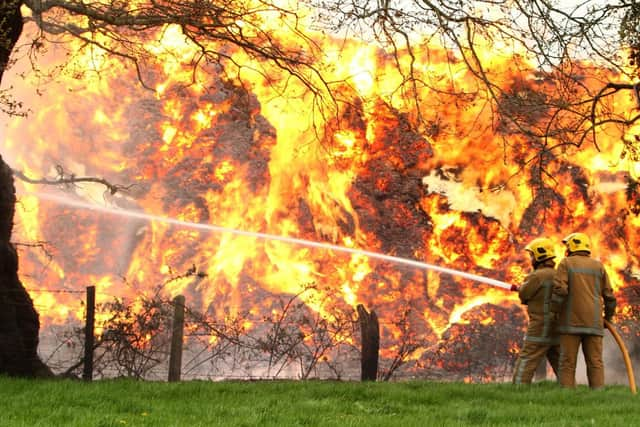
Bucknell farmer Henry Moreton, NFU Lincolnshire chair, said: “Farm fires are lethal, they put farmers, their crops and stock at great risk as well as destroying buildings, feed and machinery and are a huge threat to wildlife and habitat.
"Any farm fire can bring a farm business to a standstill – causing many thousands of pounds worth of damage and leaving a huge clear-up operation in its wake.
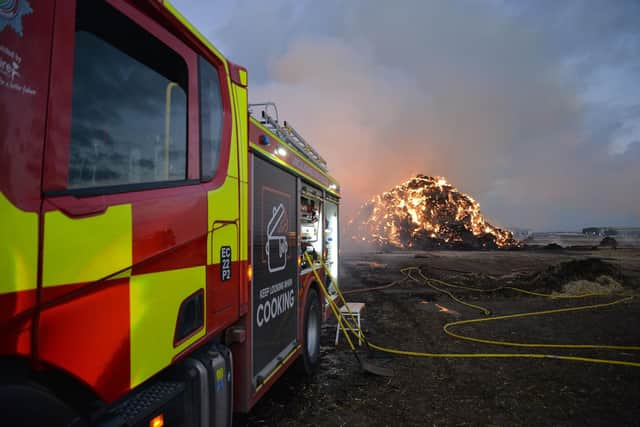
“We work closely with the fire service, police and other authorities and it is vital we continue to focus on farm fire prevention but also give farmers the right guidance in case they are in the awful position of having a blaze at their business.”
While Boston farmer Simon Gadd, NFU chair across South Lincolnshire, said it was vital that those out and about enjoying the countryside recognised the potentially devastating consequences their actions could have.
“Some fires can be avoided and there is a lot of practical advice available including following the Countryside Code.
“I’d urge people to take their rubbish home, not discard cigarettes or start camp fires or use disposal barbecues on bone dry land,” he said.
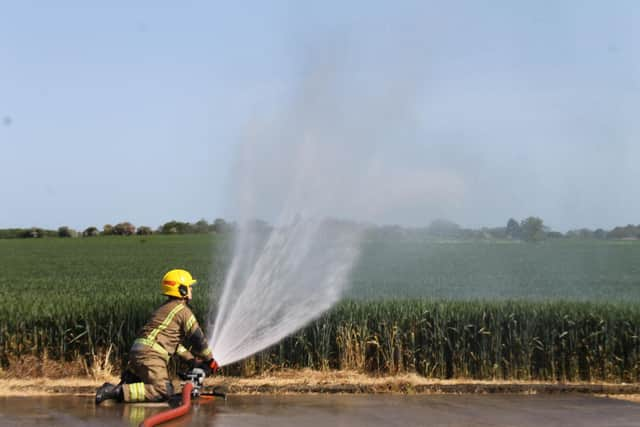
“We as farmers can also take practical steps to help protect our farms and guidance is available from the fire service to help stop the worst from happening and be prepared if it does.”
The NFU is also urging its members to stay safe on farm with combine rolling and harvest set to get into full swing and to take all preventative steps possible including ensuring machinery is in good working order.
Dan Moss, Lincolnshire Fire and Rescue area manager for prevention and protection, said: “Drier weather dramatically increases the risk of fire on farms and in the wider countryside.
“Crops can easily ignite and fires spread more quickly, especially when combined with the use of machinery, open flames or smoking materials – with discarded cigarettes still the most common cause of accidental fires.
“We’re urging farmers and landowners to be extra vigilant this summer – make sure your electrical equipment and machinery are regularly serviced and maintained, have fire extinguishers readily accessible, stop to investigate hot-running engines or bearings, and ensure that if workers are permitted to smoke that cigarettes are fully extinguished and cool when disposed of.
“This extends to members of the public out enjoying the countryside. Please remember to take litter home, including glass and properly extinguished cigarettes, and avoid using disposable barbecues or open flames – especially when the ground conditions are so dry.”
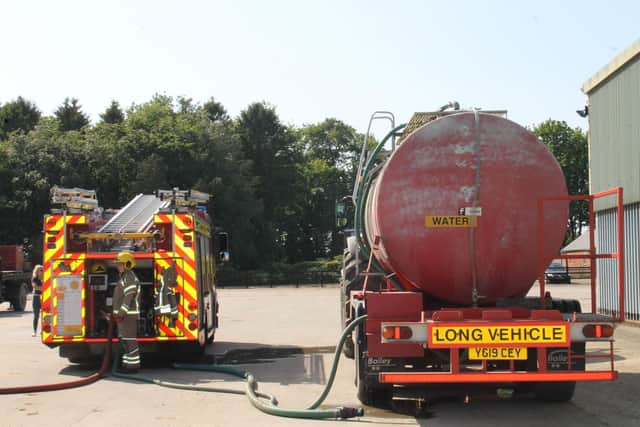
Farmers are also being proactive and one innovative Lincolnshire farmer has made strides to help prevent blazes on farm after developing a special fire engine adapter that allows on farm water supplies to be used to help control a blaze.
Louth Park Farms manager Ian Watson, developed a special fire engine adapter, which is helping to save lives, livestock, crops and building.
Louth and Alford NFU branches took up his campaign for the adapter, which can be carried by the fire services and enables them to access farm water sources, such as bowsers and tankers.
Since then, working with NFU county adviser Rhonda Thompson and Louth and Horncastle MP Victoria Atkins, before she was Defra Shadow Secretary of State, the group were able to secure enough funding to make sure that all county fire engines were equipped with the, simple, game-changing, piece of kit.
NFU offices across the county, Anglian Water and the Environment Agency have also contributed to purchasing these essential adapters and Lincolnshire Fire and Rescue Services engines are now able to connect to any available water supplies on county farms.
Mr Moss added: “There’s also potential to help the fire service in emergencies by farmers sharing farm data with us, this includes key information like emergency contacts, nearby water supplies, and rainwater collection tanks or water bowsers that use our couplings so that we can act as quickly as possible should there be an incident.
“Taking a few extra precautions during dry spells can make all the difference to your farm and business in these conditions.”
The adapter couplings are also being rolled out by firefighters in other counties to help safeguard farms and the countryside further.