
Jigsaw of council structures shaped by resident responses
The Council’s engagement survey relating to changes in the way local government is structured has now closed, and analysis of the feedback – in order to shape proposals – is underway.
Relating to Government plans to reorganise local government in ways that will significantly change the way local services are delivered, the survey received more than 5,500 responses from people living or working within Greater Lincolnshire and Rutland. x8g3qyt
The views expressed, chiefly identifying residents’ and businesses’ priorities for the councils of the future and preference on levels of local connectivity, will be factored into what’s put forward by North Kesteven District Council as its proposal for how best to fit together the jigsaw of local councils within the parameters of the Government’s expectations for local government reorganisation (LGR)
Ultimately the Government wants to see fewer, larger councils replace and combine the functions of county and district councils into unitary authorities that deliver all council functions across their area.
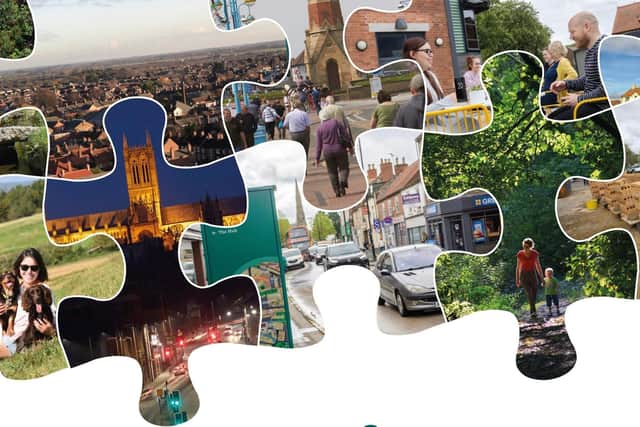

North Kesteven is working jointly with South Kesteven District Council on a proposal which would result in three or four council areas; ensuring council services are as locally-based as possible, operating at an optimum size that balances effectiveness and efficiency with local connectivity and scale – not too dissimilar to what was in place before the 1974 reorganisation.
NKDC Council Leader Cllr Richard Wright said: “We are grateful to everyone who took the time to complete the survey or who has engaged in the process at any point, including through discussions within our Heckington Show presence, identifying what they see as important for the councils of the future and telling us how much they value local connectivity.
“Government wants the new council structures to strengthen community engagement and deliver neighbourhood empowerment. And so do we. That’s why we’re proposing a middle ground between the size of the current district and county councils, with three or four authorities keeping things as local as we’re able.” he said.
“It is also expected that the new council structures should prioritise high quality and sustainable public services, with proposals that meet local needs, informed by evidence.
“This has always been our focus and it remains our focus as we finalise a proposal that we truly believe will deliver everything the Government is asking for, will meet the expectations of our residents and will remain close to communities in ways that sustain, support and strengthen them.”
Now Chair of the national District Councils’ Network that champions the impact of district councils, and already a number of unitary councils, in building homes and communities, providing life-enhancing services and looking after people and places, Cllr Wright said: “We have ambition and bold plans to drive change. We seek to further enhance our essential services, so that they come out stronger on the other side of this reorganisation.”
The Council’s proposal for the shapes of all of Lincolnshire’s councils will be published in the second half of November and discussed at the Full Council meeting on November 20, ahead of a meeting of the Council's Executive Board on November 27 in readiness for submission of the full proposal to Government on Friday, November 28.
As ever, more information relating to LGR can be found here.