
Public views sought on plans to stop NHS prescriptions for gluten-free bread and flour in Lincolnshire
NHS Lincolnshire Integrated Care Board (ICB) has launched a public consultation on whether to continue funding prescribing of gluten free products to patients in the county.
Currently, the NHS provides patients, including those diagnosed with coeliac disease and dermatitis herpetiformis, with up to eight units of gluten-free bread or flour on prescription a week.
This is taken up by approximately 800 people across Lincolnshire.
The authority says that whilst recognising the needs of people currently being prescribed gluten free products, the ICB has a responsibility to spend taxpayers’ money in such a way that is fair and equitable to all, and which offers value for money.
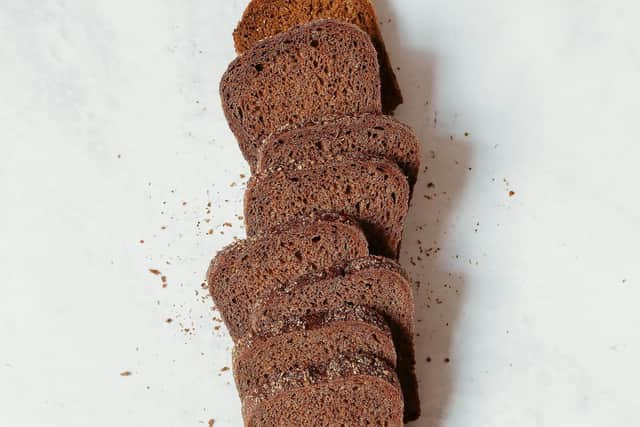

Therefore, the ICB is proposing that for as many people as safely possible they would stop prescribing gluten free products altogether (though for any people for whom this change would not be clinically safe, they would continue to support prescriptions).
Before the ICB makes a final decision, they wish to understand what this means for people and their families.
Patients with coeliac disease and other such gluten-intolerant conditions can become seriously ill if they eat even the smallest bit of gluten and argue that gluten free products are more expensive and therefore penalises them financially through no fault of their own.
The public consultation will run until May 13 and all feedback received will be considered and used to make a final decision about the proposal.
Dr Sunil Hindocha, GP and Medical Director for the ICB said: “Our role is to buy all healthcare services for the population of Lincolnshire and we have a duty to spend taxpayers’ money equitably and in a way that brings the most value to as many people as possible.
“Many people who are gluten intolerant buy their own bread and bread mixes, whilst a small number receive these on prescription and we need to have an equitable approach across the Lincolnshire population and use our resources with this consideration in mind.”
They are asking for your views on whether they should stop all prescribing of gluten-free bread and flour with no replacement system, and limit the prescribing of gluten free bread and flour to people who would not be clinically safe without these items on prescription.
More information can be found on the ICB’s website – https://lincolnshire.icb.nhs.uk/gfprescriptions
If you would prefer to speak to someone contact the Engagement Team via email [email protected] or call: 07811 701278.
The charity Coeliac UK delivered a 22,000-strong petition to 10 Downing Street on March 19 calling on the Government to safeguard access to gluten free prescriptions for people with coeliac disease.
Coeliac disease is a serious autoimmune condition affecting 1 in 100 people in the UK, for which a medically prescribed, strict gluten free diet is the only treatment. If left untreated, it can cause gut damage and serious health complications.
Access to gluten free staple substitute foods through NHS prescriptions has been a lifeline to those with the condition. However, the charity says recent policy changes by multiple Integrated Care Boards (ICBs) in England have led to the withdrawal of gluten free prescriptions in various regions, making access to gluten free bread and flour increasingly difficult, particularly concerning for those with lower income.
A recent Cost of Living Report from Coeliac UK highlights that a weekly gluten free food shop can be up to 35 per cent more expensive than a regular shop. As a result of numerous ICBs in England withdrawing support on prescription, many individuals with coeliac disease now face the challenging reality of being unable to afford the staple gluten free substitute foods they need to stay well.
To call on the Government to act, Coeliac UK organised a day of action in Westminster which brought together patient representatives, healthcare professionals, and MPs from across the political spectrum to highlight the urgent need for government intervention. A demonstration was held in Parliament Square, where those affected shared personal stories of how prescription cuts have impacted their health and finances.
Tristan Humphreys, Head of Advocacy and Public Affairs at Coeliac UK, said: "Patients, healthcare professionals, and MPs have all come together to demand that the Government takes action to prevent further health inequalities. We cannot allow short-sighted policy decisions to put people with coeliac disease at risk."
Coeliac UK is calling on the Government to issue updated guidance to ICBs, ensuring that all individuals with coeliac disease who need it, have access to gluten free prescriptions regardless of where they live. The charity also urges policymakers to collaborate with healthcare professionals and patients to establish best practices and address the growing disparities in access to essential gluten free staple foods.
Mr Humphreys added: “This petition hand in marks an important step in addressing the postcode lottery facing people with coeliac disease. The reality for too many people across the UK with coeliac disease is that the food that keeps them well is too expensive and hard to access. Withdrawal of the lifeline of gluten free bread and flour on prescriptions risks cutting them adrift. This is bad news for the NHS that has to treat resultant health complications and devastating for the individuals impacted.”