
Spilsby business leads plea by frustrated farmers to stop stifling growth
A farming business near Spilsby is at the forefront of a plea to relax stifling planning processes that are preventing growth.
Exasperated agri-food leaders met at the Greater Lincolnshire Forum for Agriculture and Horticulture to discuss the government’s proposed changes to the National Planning Policy Framework (NPFF).
Farmers are concerned that, at a time when they are looking to grow and diversify their businesses to become more profitable, the planning process can be “overly complex, slow and risky”.
When looking into development, they come unstuck against national policies that require external consultants, reports, surveys and licences.

Forum chairman Matt Riddington said: “Farmers can spend years and hundreds of thousands of pounds in the planning process for developments on their land, facing numerous delays and appeals, only for them to be rejected. That's creating a real bottleneck on growth and development in rural communities."
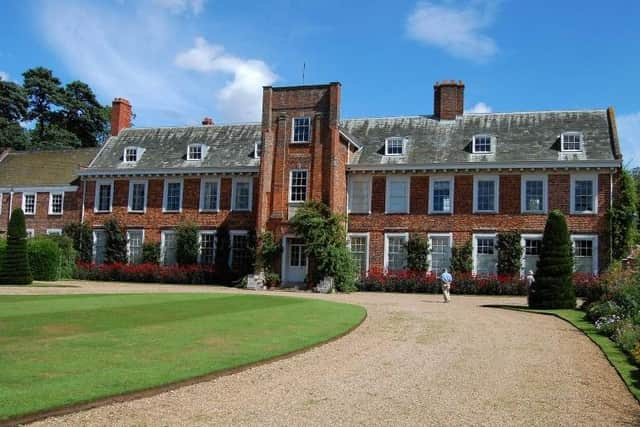
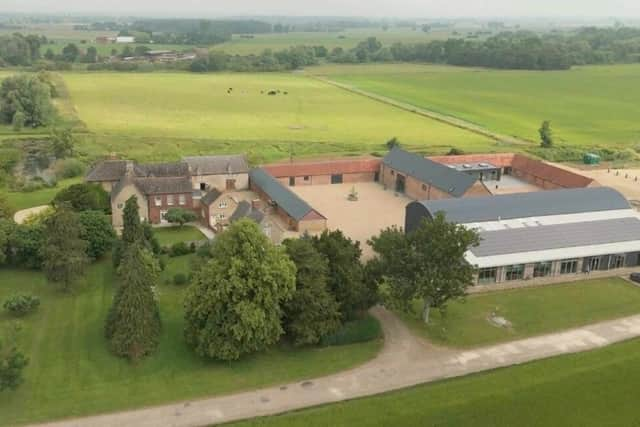
The mood at the meeting was encapsulated by William Price, 52-year-old director Harrington Hall Farms Ltd, based in the hamlet of Harrington, between Spilsby and Alford.
Mr Price said: “Farms and businesses in Areas of Outstanding Natural Beauty have extra processes and hoops to jump through when applying for even the simplest of developments.
"We appreciate that these are protected areas, but some family farms in these areas were established before these designations came into place, and we've co-existed with the landscape for hundreds of years, helping to protect and preserve its unique character.
"At the same time we're being asked to diversify to remain profitable, farms in these areas are being prevented from doing so under the current policies.
"Some successful farms are starting to run at losses and it's not right that, because of where we're located, we're being squeezed out of making a profit.”
It was recognised at the forum that Lincolnshire’s local planners and decision-makers do typically understand agricultural needs, how they form part of the wider supply chain and do what they can to support the sector. But it was felt that the national framework doesn’t align well with rural realities.
Discussions highlighted the need to allow these local decision-makers to make local decisions, with work to establish a better balance between national policies and local decision-making a priority, but also advising against a one-size-fits-all approach.
Important points were also made by Trina Britton, of the Thetford Farm Estate at Baston, who said: “As it stands, a handful of objectors can hold up planning applications for months or even years, using appeals and repeated information requests to prolong the process.
"Delays are often made worse with additional discharge of conditions, inconsistent interpretation of changes to planning rules and even staff shortages, all of which add significant time and costs to developments.
“In our case, these delays held up our project by 18 months which, in turn, delayed job creation and economic benefits to the wider rural economy and supply chain.
"These delays also disproportionately hurt small and family farms, which may not be able to afford the increased costs or consultants required to deal with the delays and requests, and it unnecessarily adds stress and uncertainty to development.
"This isn't about ignoring objections, but when it really is one or two people holding things up for years, there’s clearly a need to reassess where that balance is struck.”
Matt added: “Even between seemingly similar counties like Lincolnshire and Norfolk, there are substantial differences. So it is clear that a blanket policy would not work, and this is where devolved decision-making would allow more appropriate trade-offs.
“We also need more recognition from the government that our market towns and villages aren’t just dormitories for people who work in the big towns and cities.
“The continued push for the centralisation of services is really hurting some of our communities.
"We have the local talent and entrepreneurship to thrive. What we need is support from the planning framework that ensures rural areas get the housing, services, skills and infrastructure needed to retain and grow that talent here in Lincolnshire.
“The proposed revisions to the NPFF do go some way to address these issues, and there are definitely some positive signs. We’re cautiously optimistic that it’s a step in the right direction for the sector, but we need to start seeing the finer details.
“The investment is out there, we just need a planning system that actively encourages it.”
The forum, which comprises representatives from farms of all sizes, sector bodies, training organisations and support services, will now finalise a formal response to the government’s consultation on the NPFF.