
Dozens of new ambulances to be deployed to boost response in Lincolnshire

Patients and staff in Lincolnshire and across the country are benefiting from a new fleet of over 500 ambulances, as the government strengthens frontline emergency services this winter amid a flu epidemic.
The new emergency vehicles – to replace old ambulances across England – represent one of the biggest upgrades to the NHS fleet in recent years and have been rolled out to every region of England, helping emergency services respond faster and more reliably through winter.
The new double crew ambulances are equipped with modern safety technology, improving protection for patients and staff while supporting paramedics to deliver urgent care more effectively.
Elsewhere the rollout is already making a difference. The new ambulances have reduced breakdown rates and time spent out of service, meaning more vehicles have remained on the road and available to respond to emergencies.
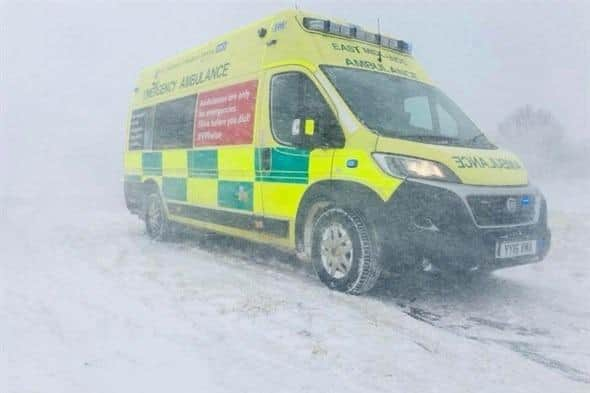

East Midlands Ambulance Service, which covers Lincolnshire, is yet to receive its replacements, as they will arrive in the new year between January and March 31.
Shared across the region, EMAS will get 48 internal combustion engine double crewed ambulances and six battery electric vehicle double crewed ambulances. Then in the next financial year, April 1, 2026 to March 31, 2027, they will get a further 60 internal combustion engine double crewed ambulances and 10 battery electric vehicle double crewed ambulances.
The aim is to expand the fleet size rather than simply replace existing vehicles, but more details about where the ambulances will be allocated will be shared at a later date.
The government investment has also supported skilled jobs, with ambulances converted by businesses across the country helping attract investment and drive economic growth.
Health and Social Care Secretary Wes Streeting said: “In an emergency, every minute matters. When someone dials 999, they should get help fast - not be left waiting because of creaking kit or preventable delays.
“These new ambulances are already helping to cut response times and keep more vehicles on the road, just as the NHS is facing a tidal wave of flu and the ongoing disruption of strikes.
“I want to thank NHS staff for their extraordinary dedication this winter. They are going above and beyond for patients, often in incredibly tough conditions, and this government is backing them with the modern equipment they need to do their jobs safely and effectively.
“Modernising our ambulance fleet means better care for patients and stronger emergency services - while backing British jobs and driving economic growth.”
The government has committed a further £412 million over the next four years to continue renewing the ambulance fleet and modernising emergency services.
Jason Killens KAM, Chair of the Association of Ambulance Chief Executives and Chief Executive of London Ambulance Service said: “These new vehicles are a key part of the ongoing modernisation of ambulance fleets across the country, ensuring we can meet the needs of patients not only during what is already a very challenging winter, but for many years to come.
“The new ambulances include a range of design improvements that enhance patient care and staff safety. They are lighter, more fuel‑efficient and produce fewer emissions, while supporting paramedics to deliver urgent care more effectively. Their improved reliability also means fewer breakdowns and less time out of service, keeping more vehicles on the road and ready to respond to patients.”