
No cancellations yet in county from GP action
Lincolnshire’s health services are yet to be affected by the first GP industrial action in 60 years, with no cancelled appointments in the opening week of ‘safe working’ action called by the British Medical Association.
Collective action was announced by the BMA two weeks ago, with GPs voting overwhelmingly in favour of action, and 98 per cent of the 8,500 GPs that took part in the ballot supporting it.
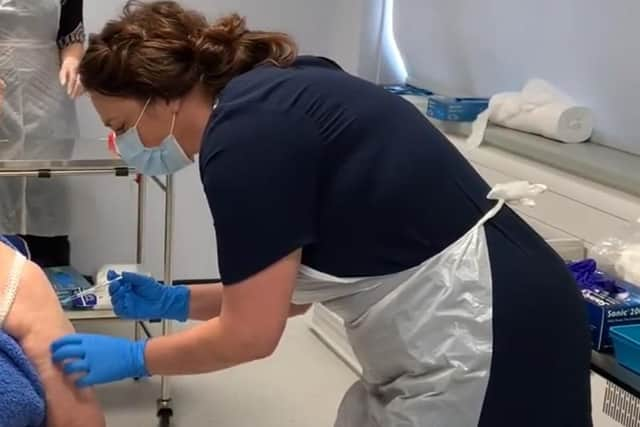

A new contract for GP services in 2024/25 revealed a 1.9 per cent funding increase, which will leave many practices financially unviable in the future, and the action called in response has been called an “act of desperation” by the health union BMA.
This is the first time GPs have supported collective action since the 1960s, a move which led to widespread reform and ultimately the Family Doctor Charter of 1965.
It has been warned that these actions could run for a number of months, but do not take the typical form of picket lines and staff walkouts.
GPs were encouraged by the British Medical Association to choose one of ten possible actions for this dispute. This can either be limiting the number of patients seen in a day to 25 per clinician, freezing the sign up of any new data sharing agreements, or even switching off NHS software embedded by the local Integrated Care Board which tries to cut costs and/or rationing.
Despite this, the impact so far has been minimal in Lincolnshire, and the county’s NHS Integrated Care Board has confirmed that, to its knowledge, no GP appointments have been cancelled since the collective action began.
A spokesperson for NHS Lincolnshire Integrated Care Board said: “We know some GPs have indicated they are considering ‘safe working’ – i.e. limiting daily patient contacts per clinician to 25 – however, we are not aware of any appointments being cancelled to-date but we are monitoring the situation and working with system partners to support patient access to care.”
It is an issue that has been bubbling under the surface for quite some time. GPs argue that the current NHS funding and operating model is slanted against them, saying GPs make up 92 per cent of initial patient contact in the NHS, but are given just six per cent of the overall health funding.
Dr Reid Baker, the Medical Director of the Lincolnshire Local Medical Committee and a local GP himself, said there was a 20 per cent real terms funding cut to GP services over the last eight years, despite GPs doing “about 20 per cent more work than we ever were.”
The action was called just days after the government had settled a long-running pay dispute with junior doctors, offering a 22 per cent pay rise to end strikes.
Shadow Health Secretary and MP for Louth & Horncastle Victoria Atkins said it comes as “no surprise that other healthcare workers are feeling shortchanged by the new Labour government,” after the “budget-busting” agreement with junior doctors.
“Instead of caving in to unaffordable union demands,” she said, “the Labour government must resolve this dispute or it is patients and the public who will pay the price with more strikes and higher taxes.”
During this round of GP action, the NHS Lincolnshire Integrated Care Board has encouraged patients to still attend their appointments as normal unless they are told otherwise, and again urged people to use the 111 and 999 services dependent on the degree of emergency in their health request.