
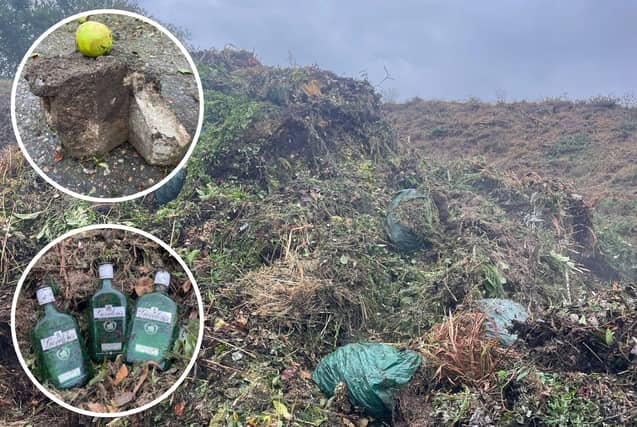

East Lindsey District Council is urging people to keep non-compostable items out of green waste collections following what it calls “increasing levels of contamination” being found.
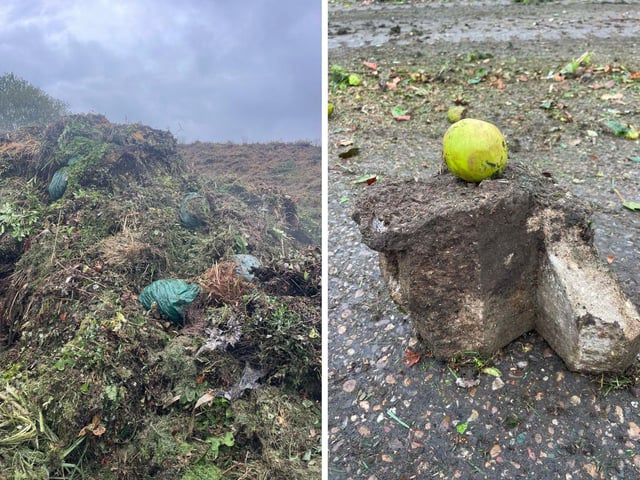
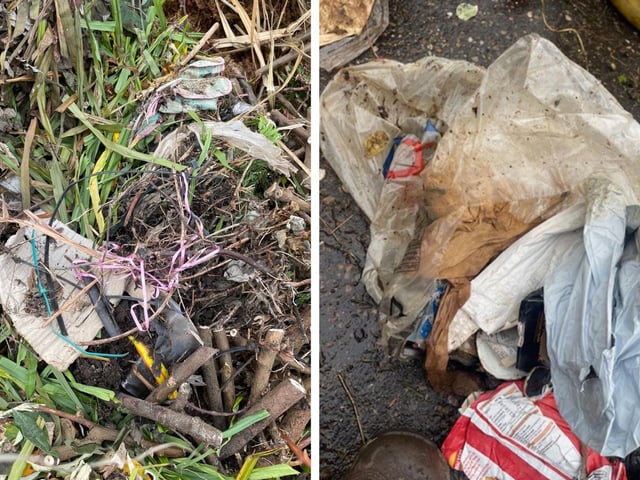
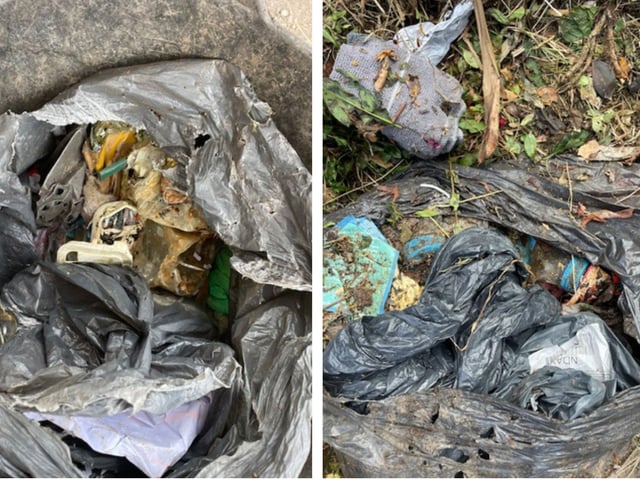
Plastic bags, plant pots, dog waste, garden tools, concrete, plant labels, buckets, hosepipes, fake foliage and even glass bottles have been found mixed amongst grass cuttings, leaves and other garden material. Broken furniture, fence panels, posts, sheds and decking have also been discovered.
“Green waste collected from households is taken for composting, but items which cannot be composted have to be removed before the process can begin,” a council spokesperson said.
“This means staff having to pick contamination out by hand. It takes additional time, increases processing and disposal costs and can affect the quality of the compost produced. Some items can also cause damage to the machinery used to process and shred green waste.”
East Lindsey District Council is asking residents to remember one simple rule:
If it didn’t grow in your garden, it doesn’t go in your green waste bin
Green waste bins are for natural garden material such as:
• Grass cuttings
• Leaves
• Weeds
• Flowers and plants
• Hedge trimmings
• Twigs and branches
Coun Martin Foster, Portfolio Holder for Operational Services, said: “Most residents use their green waste service correctly, but unfortunately we are seeing items arriving at composting sites that simply shouldn’t be there.
“Some of the examples are quite surprising, but there are also items such as plant pots, labels, netting and compost bags which people may understandably associate with gardening without realising they cannot be composted.
“That’s why we want to make the message as simple as possible – if it didn’t grow in your garden, please don’t put it in your green waste bin.
“Keeping contamination out helps our processors produce good-quality compost and avoids staff having to remove unwanted items by hand.”
A spokesperson from Greenaway, added: “We strive to produce a certified quality product, the majority of which is used locally in agriculture for nutritional and soil structure benefit. We also produce products for use in horticulture and domestic gardens. There are very strict rules and regulations which set the standards that PAS 100 compost needs to meet and contamination of feedstock material is the biggest issue facing composters.
“Removing litter and non-compostable items from green waste kerbside collections and HWRC sites is a time consuming, costly, unpleasant and difficult task especially finding and removing small items such as plant labels and clothes pegs. If missed and these contaminates are shredded, they then become fragmented and can end up in the finished product.
“This whole issue is totally avoidable if tackled at source. We are simply asking that people give a little thought as to what they put into the green waste bin - it would make such a difference and be beneficial in so many ways.”
Residents can check how to dispose of items they are unsure about using the councils A-Z of waste.
5. Contamination
Some images of the contamination shared by ELDC. Photo: ELDC
6. Contamination
Some images of the contamination shared by ELDC. Photo: ELDC
7. Contamination
Some images of the contamination shared by ELDC. Photo: ELDC