
Lincolnshire council leader says Mayoral devolution deal is key in light of budget

The Leader of Lincolnshire County Council says it may be too soon to judge the wider impacts of today’s (Wednesday) historic budget announcement by Chancellor Rachel Reeves but he sees the impending Mayoral devolution deal as key to the region’s future prosperity.
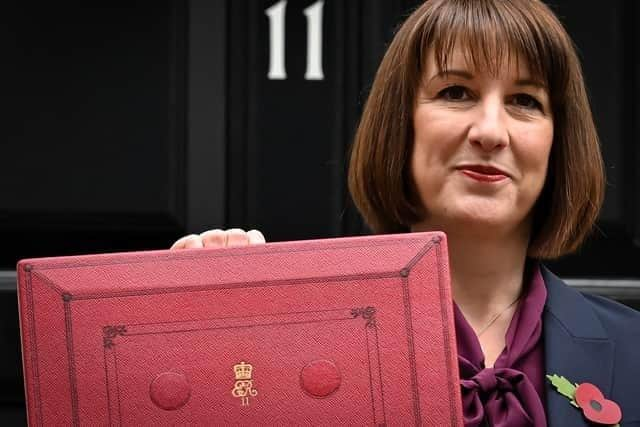
The first female Chancellor of the Exchequer announced £40bn of taxes to fill the alleged financial black hole left by the last Government, including an increases to capital gains Tax and National Insurance contributions by employers
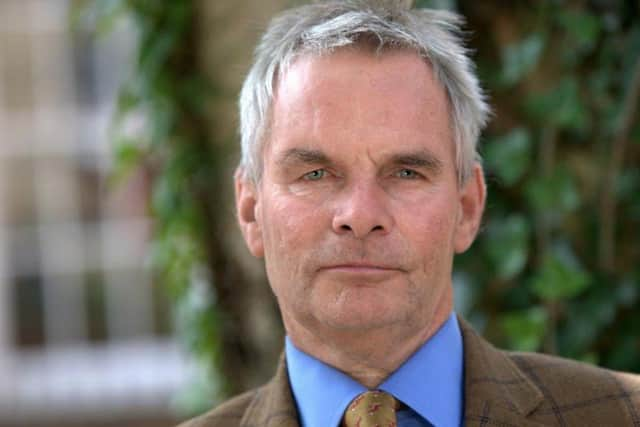

Coun Martin Hill, leader of Lincolnshire County Council, has given his reaction to today’s announcements.
Coun Hill said: “It’s too soon to judge the impact of today’s budget on the council’s finances. We will need to work through the effect of the rise in the national living wage and employers’ National Insurance contributions. We will also need to await further details on the two per cent budget cut across all government departments and how this will translate to local government funding.
“We’re also concerned about the impact of these tax rises on local businesses, particularly alongside the planned changes to business rates and inheritance tax on agricultural and business assets. Again, we’ll need to look at how this might affect growth within the local economy and any knock-on effects this might have.”
Budget 2024: what was in the 2024 UK Autumn Budget today - key announcements as billions in tax rises revealed
But Coun Hill conceded: “To offset the announcement of a dramatic increase in taxes to record levels, the chancellor has promised extra money for public services, with additional funding for areas including pothole repairs, schools and special educational needs. Of course, this will only be good news if Lincolnshire receives its fair share of any new funding. For too long we’ve been short-changed by central government, with the challenges we face in delivering services in a rural county and the rising demand for support not fully reflected in our funding. So, it remains to be seen if this new money will make a real difference to our residents and relieve pressure on overstretched budgets or not.
“Finally, the special treatment given to mayoral areas has again underlined the importance of the Greater Lincolnshire devolution deal in ensuring our region is not left behind. So, we will continue to work with partners on the creation of a mayoral combined county authority to make sure things progress as planned.”
North Kesteven District Council Leader, Coun Richard Wright commented on how the authority viewed the autumn budget, saying: “We are encouraged to see what appears to be some positive developments on housing finance and the way receipts from the sale of council houses through Right to Buy can be repurposed locally in further expanding and enhancing the provision of social housing in the district.
“While we still need to explore the impacts, opportunities and challenges emerging from today’s budget, before being able to comment fully, that initiative, and the anticipated extra investment in social and affordable housing is a welcome development.
“Tomorrow (Thursday) the council’s Executive Board will consider its Medium Term Financial Strategy which sets the scene in terms of the council’s finances, overall outlook and ambition, moving towards decisions on its own budget in the spring. The finance strategy targets investment in council priorities and services, including our ambition to tackle climate change, develop the local economy, promote health and wellbeing, and enable our communities to flourish.
“It will be necessary to analyse the impacts from some of the Chancellor’s announcements related to our own local priorities, for both the coming year and looking ahead."
Focussing on Lincolnshire and the East Midlands, the Government says the region will benefit to the tune of £640 million for local Bus Service Improvement Plans across England, to support locally-led initiatives to improve local bus services.
The East Midlands is receiving £34.5 million through the six-month extension to the Household Support Fund to March 2025. Funding for a further 12-month extension in 2025/26 confirmed today will be announced by DWP in due course. The HSF will help households facing the greatest hardship and financial crisis, including supporting them with the cost of essentials such as food, energy and water.
The government says it is working with Mayors across England, including in the East Midlands, to agree locally owned Local Growth Plans. These will identify priorities where local and national government can work in partnership to deliver on the area’s biggest opportunities and binding constraints to growth. These plans will inform and then help to deliver the national Industrial Strategy. The government will set out its plans to reform the local growth funding landscape in the spring: rationalising the number of funds, moving away from competitions, and better supporting local leaders to drive growth.
The government says it is working closely with those local leaders on the upcoming English Devolution White Paper, giving them the tools that they need to support economic growth in their area. This will set out an ambitious new framework for English devolution, moving power out of Westminster and back to those who know their areas best. It will give deeper, standardised powers for new and existing Mayors, including more powers over house building and planning, as well as transport and skills. It will also set out how the government will make it easier to provide powers quickly to more areas.
Responding to the Chancellor’s Budget statement, Policy Chair of the Federation of Small Businesses (FSB), Tina McKenzie, said: “Increasing the employment allowance for small businesses by a record amount is a very welcome move and we’re pleased the Chancellor has heard us loud and clear. More than doubling it, from £5,000 to £10,500, will shield the smallest employers from the jobs tax, therefore is a pro-jobs prioritisation in a tough Budget.
“The decision to protect small businesses from an inflationary hike in business rates – by freezing the small business multiplier – will help small firms with premises across all sectors. Meanwhile, extending business rates relief, albeit at a lower level, for small firms in retail, hospitality and leisure will mitigate a potential cliff-edge tax hike for those in some of the toughest sectors.
“The true test of today’s Budget will be whether small businesses can grow and end the economic stagnation the UK has been stuck in.”
He went on: “Larger small, and medium-sized, businesses will struggle with the rises on employer national insurance on top of the large costs from the Government’s employment law plans. We’ve been very clear in our warning of the difficulty SMEs will be confronted with in meeting all of these changes at once – and the potential impact on jobs, wages and prices.
“The Budget documents include plans for a small business strategy command paper, which is a welcome signal that ministers appreciate the central role that small businesses play in driving growth and we look forward to working with the Government closely on that.
“Investment in infrastructure is key to future growth, and the Chancellor’s announcement of additional funding for rail projects and fixing potholes is therefore encouraging. Many small firms, meanwhile, will be relieved at the decision not to raise fuel duty. The commitment to prioritise small housebuilders when it comes to housing investment is also welcome.
“Building a business involves a significant element of risk and personal, as well as financial, investment. But for the economy to grow, we need more people to be incentivised to take that leap and, in turn, create jobs, opportunities and prosperity in all communities across the country. The right decision has been taken to retain entrepreneurs’ relief (now branded Business Asset Disposal Relief) up to £1million, which is something we have campaigned hard for. Although the level of relief will gradually reduce over time, resulting in more tax being paid in the future on business sales, we’re pleased to see a differential has been kept.
“Against a challenging backdrop, today’s Budget shows a clear direction in business policy now for the whole of this Parliament to target support at small businesses, rather than big corporates - prioritising everyday entrepreneurs working in local communities in all parts of the country.”