
Row over how much tax West Lindsey residents should pay
The council tax level has been set for the next year in West Lindsey after disagreement between opposing groups.
The administration voted to raise it by 2.97 per cent, close to the maximum, which means paying an extra £7.38 for Band D homes.
Band A and B (which most properties fall into) will pay around £170 and £199 respectively for the district portion of council tax, with it rising to £227 and £248 for Band C and D.
Opponents said council tax should only be increased to two per cent to ease the burden on households struggling financially.
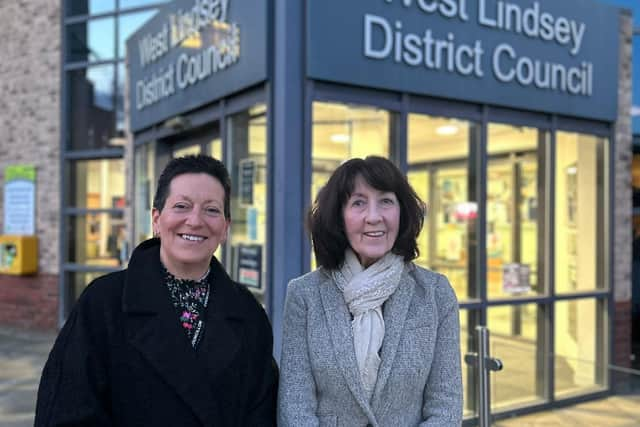

Councillor Trevor Young, who leads an opposition group of six Liberal Democrats, urged for a lower tax rise, paid for by £80,000 in savings.
“Residents are facing the toughest time ever with the rising cost of living,” he told the full council meeting on Monday (February 2).
“Savings can be found without impacting on services.
“£80,000 can be found without any day-to-day impact.”
He accused the council of opting for a full increase as a “default” without other options being considered, and ignoring options to reduce spending.
However the administration group, which is made of Conservatives, Liberal Democrats, Independents and Reform, said this would mean cutting services.
Leader Councillor Jackie Brockway said: “Producing this amendment on the night is ridiculous – it should have come forward a long time ago.
“Funding is so tight that we may possibly have to [use savings] in future years. There is no way to adjust the budget and lose further money.”
She said the council delivered “highly-efficient services”, and hoped to improve leisure facilities for the district.
She denied comparisons with Lincolnshire County Council, adding: “They had an extra £50million from different sources this year and are still cutting services. Our budget is fiscally sensible and balanced.”
The opposition group’s amendment was defeated, and council tax will rise by 2.97 percent from April.
West Lindsey District Council has lost out in the government’s latest funding allocation, which has shifted money away from rural areas to more deprived urban authorities.
The 2026/27 budget supports several major programmes designed to improve services, modernise the district and deliver long term benefits for residents.
Presenting the budget, Peter Davy, Director of Finance and Assets (S151 Officer) said: “The council continues to demonstrate strong financial management, as reflected in the High Assurance ratings from our internal auditors and the Unqualified Audit Opinions on both our Statement of Accounts and our Value for Money assessments. These independent findings confirm that our financial position is sound and that our reporting provides a true and fair view of the council’s standing.
“We remain firmly committed to delivering excellent Value for Money. This means continuing to invest in our communities, adopting a more commercial approach to generate income, embracing modern and innovative technology, and commissioning services that achieve the best possible outcomes for residents.”