
COLUMN: Beware of phishing scams on your farm
This column has been provided by Mark Chatterton, director and head of agriculture at Duncan & Toplis ...
The National Farmers Union is warning of a range of tactics criminals have used to deceive farmers who receive support payments, particularly around key payment dates.

Duncan & Toplis supports over 500 agricultural clients across the Midlands and I’ve experienced first-hand the damage scams can cause.
Last year, for example, I spoke with a farming secretary who fell victim to a particularly sophisticated phishing scam. The fraudsters stole the maximum amount possible without raising concerns with the bank - £200,000 in total, spread over four payments. While they were able to arrange for the bank to refund the amount in full within two weeks, it’s a sobering prospect for any business owner.

These scams are real and they are out there, so I’d caution farmers to be on guard, particularly around key payment dates.
Indeed, with the news of Delinked Payments replacing the Basic Payment Scheme having been widely publicised, and with information on key payment dates readily available online, farm secretaries and those dealing with receipt of payment through the new scheme should be extra vigilant.
The aim of phishing is often to make you visit a website, which may download a virus onto your computer, or steal bank details or other personal information.
With the second payment now set to be issued to farmers’ bank accounts from September 30, I’d urge everyone to be wary of unsolicited emails and phone calls.
You should never click on an unusual link or respond to an email from an unknown sender.
Any updates you receive about your Delinked Payments should come from [email protected] or call the Rural Payments Helpline on 03000 200 301 to check.
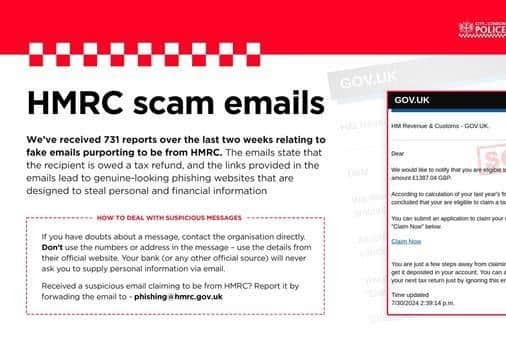
Scammers are often mimicking the imagery of official bodies. HMRC has also issued a similar warning to businesses after fraudulent letters were delivered pretending to be the tax authority but demanding confidential business and financial information.
These letters look realistic and bear a fake HMRC letterhead and logo, as well as email addresses that might look legitimate. If you receive one, you can report the scam through the gov.uk website.