
Plans to scrap PCCs and merge police forces together will create a "democratic deficit", officials warn
Plans to scrap Police and Crime Commissioners (PCC) in England and Wales and merge police forces together will create a “democratic deficit”, officials have warned.
In November, the Government announced that PCCs would be scrapped – a move which it said would save £100 million over this parliament’s term.
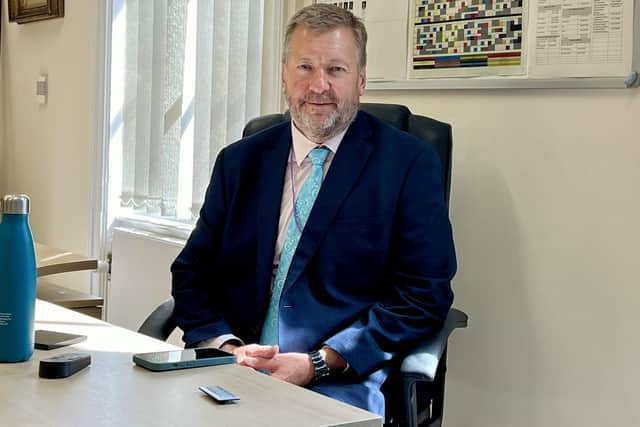

There are currently 37 PCCs and the role involves setting an annual budget, appointing chief constables and producing a policing action plan.
The government has said it’s also considering merging forces together to create ‘super forces’ – a change which would look similar to the Metropolitan Police model in London.
No formal decision has been made on the potential merging of police forces but the changes could involve Lincolnshire Police joining with neighbouring forces.
But many members of the Lincolnshire Police and Crime Panel criticised the proposed changes.
At a meeting on Friday, December 12, Coun Phil Dilks (Independent – Deepings East division) said: “I’m very worried about what’s been announced – more than one announcement in the past couple of weeks – one going one way and one going another way.
“I’m worried about the democratic deficit of policing and the accountability for it.”
Coun Sean Matthews (Reform UK – Tattershall Castle division), leader of Lincolnshire County Council, said: “This government – and to some extent the former government – seem to be taking away local control from people.
“The thought of going from 43 police forces down to 12 is completely the wrong way to go.
“They’ve taken away Police and Crime Commissioners, whether that’s the right thing to do or not – without anything in their (the government) manifesto, without consulting the people of this country.
“Now to be talking about reducing police forces down to 12 is absolutely ridiculous. The last thing we should be doing is removing local police forces from our neighbourhoods.
“It is absolutely the wrong thing to do and that is from the experience of a policeman who used to walk the beat.”
Coun Matthews said that residents want “local policing” and not policing which covers large areas.
He added: “The reality is – I’ve been through it myself – each time you amalgamate an area of policing, the local policing gets dropped.
“If you go bigger and bigger, you get less and less. That is completely the wrong thing. We need to start policing properly, not just aggravating it away from the locals.”
Marc Jones (Conservative), Lincolnshire Police and Crime Commissioner, also criticised the government for announcing the changes so quickly.
He said: “The way the announcement of the PCC changes was handled by the government was shameful.
“The point was made by PCCs on a ministerial call half an hour before the announcement was made to the public. PCCs of every political colour felt the same.”
Mr Jones said that policy had been “dreamt up in a few days” and had not been properly thought through.
He added: “Anybody who thinks that success looks like the move to the Metropolitan Police model, I’m afraid I would disagree.
“Yet the commissioner of the Mayor (of London) is the loudest voice, saying ‘big is best, look at what we do. Let’s just do that across the country’.
“I’m afraid, that doesn’t wash with me. Exactly like Coun Matthews said, you lose the local connectivity and I think that’s really important.
“When you start looking at the things we commission – the voice of the victim – which we’ve got on the agenda today – all of those things are not going to be helped by larger force models.”
Mr Jones went on to say that many parts of Lincolnshire will miss out on local policing.
He added: “If we genuinely think that policing in Spalding, Skegness and Gainsborough is going to be improved by the Chief Constable sitting in Leicester, I’m afraid I would disagree.
“If you merge two, three, four forces, it doesn’t put more money in the pot, it’s what you do as a government, instead of doing the right thing which is funding things properly.”