
Firefighters tackle house fire near Boston after dried wood near log burner ignites from heat - call for caution made
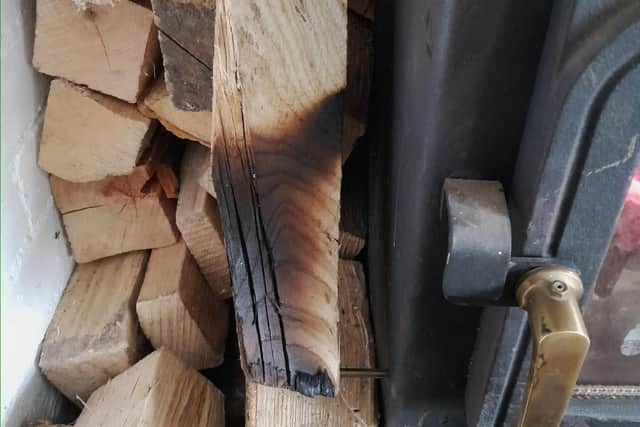
Firefighters have tackled a house fire near Boston after dried wood stored next to a log burner ignited from the heat of the device.
Lincolnshire Fire and Rescue Service was called to the outbreak in Drainside South, Kirton, on Monday (January 13), at about 10.20am.
Crews from Kirton and Boston attended the scene and extinguished the fire using a hose reel jet and thermal imaging cameras.
A spokesman for the fire service said the incident was caused by the overloading of dried wood surrounding a log burner, which ignited due to heat.
Severe smoke damage was caused to the living room and light smoke damage to the rest of the property, they said, along with some fire damage to the log burner and surround.
Following the incident, the fire service is urging residents to take care with the use of log burners and stoves and make sure the devices are properly installed and maintained. Log burners and stoves are becoming increasingly commonplace, with rising electricity and gas costs being a factor in their growing popularity.
The service is also urging caution with the use of chimneys, having already attended a number of chimney fires this winter.
Dan Moss, area manager for prevention and protection at Lincolnshire Fire and Rescue Service, said: “Any heating appliance in the home that is not electric, carry a risk of carbon monoxide poisoning, including stoves.

“If you use a log burner or multi-fuel burner in your home you must (he said with emphasis) have a carbon monoxide detector fitted in the room it is in.
“Carbon monoxide poisoning can kill and detectors are a cheap and effective way to prevent it.
“We have attended a number of house fires involving log burners – often because items are accidentally left on top of them or too close to them. Fires start when your attention stops – never leave lighters or other materials on top of log burners and leave plenty of space around them.
“Having your chimney swept regularly is the main way to prevent chimney fires. Depending on what fuel you burn, you may need to have them swept more often than you think.”