
Securing sea defence funding is 'most important thing council will ever do'

Securing sea defence funding is 'most important thing council will ever do' v.1
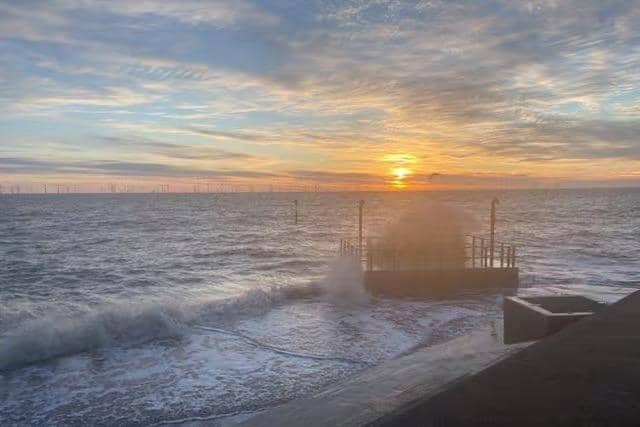
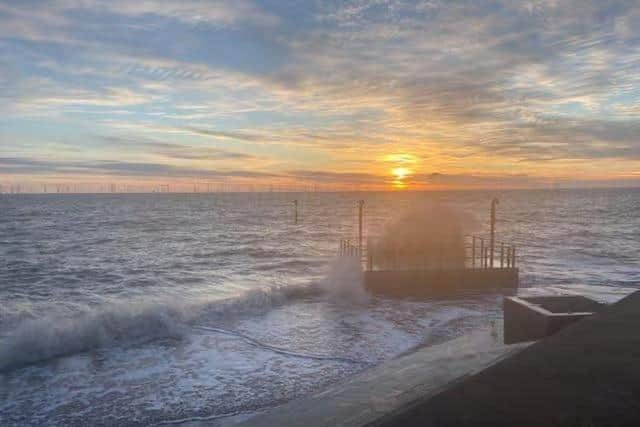
Efforts to secure huge sums needed to urgently replace the East Coast sea defences have begun.
90 per cent of the defences between Saltfleet and Gibraltar Point are expected to fail by 2040, with the total cost estimated to be in the billions of pounds.
The Environment Agency, local councils and other partners are putting together a case to seek government funding for the long-term project.
Lincolnshire County Council and East Lindsey District Council will share just under £1million costs for the proposal, with the Environment Agency contributing around £3million.
County council leader Councillor Sean Matthews (Ref) told an Executive meeting on Tuesday (October 7): “This is probably the most important thing this council will have to work on.
“There’s stark recognition when you stand on sea defences, and look at the low-lying land behind you – it’s terrifying to think of not getting this sorted.”
The sea defences in the area protect 20,000 homes and 38,000 static caravans, including major seaside resorts like Skegness and Mablethorpe.
Chris Miller, the council’s head of environment, told the committee: “By 2040, the defences won’t provide the level of protection we need, and they are degrading all the time.”
He said a beach nourishment programme – in which sand is added to eroding beaches – is “keeping them going for now – by 2040 we will really need our house in order.”
Councillor Danny Brookes (Ref), the portfolio holder for environment, said: “There was some discussion at previous meetings about this being due to climate change – it has nothing to do with that.
“The East Coast is manmade environment, and relies on sea defences. If we don’t repair them, the sea will take back what belongs to it. That’s just the lay of the land.”
The Environment Agency previously said it would take “billions, if not tens of billions” to replace all of the East Coast defences.
The Environment Agency and its partners hope to draw up a masterplan by 2028, and secure funding and contracts by 2036.
Similar initiatives are also tackling the risk of flooding in the Humber to the north and the Fens to the south.