
Beekeepers in Horncastle warn of predatory hornet that can wipe out insects
A warning has been issued by beekeepers in Horncastle about a predatory wasp that could decimate other insects and pollinators.
The yellow-legged Asian hornet has not yet been spotted in Lincolnshire, but it has been seen in other parts of the UK, including Yorkshire, Manchester, Merseyside and north Wales.
It is also on the march across Europe and is regarded as “a significant threat” to honey bees, bumble bees, hoverflies, spiders and other native insects, with the ability to wipe them out in huge numbers.
Therefore, the Horncastle branch of the Lincolnshire Beekeepers Association has launched a campaign, urging people, including farmers, agricultural workers and gardeners, to report any sightings of the hornet.
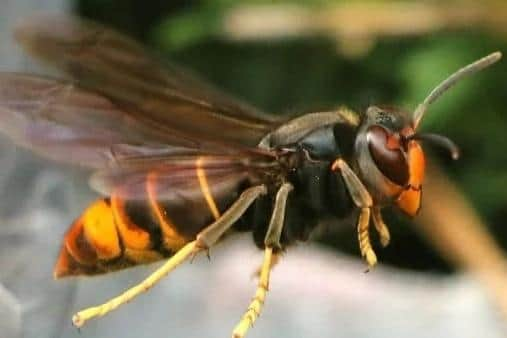

Secretary Jenny Jeffery said: “These hornets, not to be confused with our native European Hornet, are an invasive, non-native species. They are adaptable, opportunistic and carnivorous predators.
"They make a large nest and form a large colony, headed by one queen and possibly 4,000 individuals at any one time.
"Public awareness and reporting these invasive insects is key. Our European neighbours are battling against an increasing population.
"So far, they are not considered established in the UK. However, with the prevalence of vegetables and other imports from Europe through our Hull ports, the risk of an unwitting arrival in Lincolnshire is increasing.
"A single nest can consume 11kg of insects a year, equivalent to 90,000 bees and other insects.”
Given the importance of bees as pollinators, the threat is real. To identify the yellow-legged Asian hornets, you need to ask these questions:
DOES it look very black?
HAS it got a dark abdomen with a wide orange stripe on its fourth segment?
DO its legs look as if they have been dipped in yellow paint?
HAS it got a black head with an orange face?
IS its thorax (chest) black and velvety?
Jenny says the yellow-legged Asian hornets vigorously defend their nests if disturbed, so people must not approach them within five to ten metres.
She adds: “The National Non-Native Species Secretariat is working with the public and beekeeping community against these hornets.
"Please be vigilant and report any sightings, preferably with a photo, on the Asian Hornet Watch app. See it, snap it, app it!
“For more information or other ways to report a sighting, please visit the Lincolnshire Beekeepers Association website.”
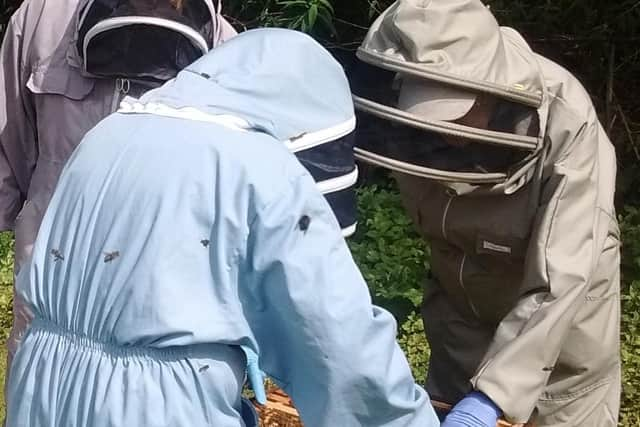
Meanwhile, the Horncastle branch of the association is to run a beginners’ course in April for anyone interested in taking up beekeeping as a hobby.
Mentoring will be available through the season at their own apiary, providing the knowledge and hands-on experience with colonies.
Jenny says: “The keeping of honey bees, and the study of their life and habits, holds a fascination for people in all walks of life, both young and old.
"People keep bees for several reasons. For example, to watch these interesting creatures in the garden or to get away from the frantic nature of everyday life, producing and jarring honey for family and friends.
"There are more than 250 species of bees in the UK. They are pollinating insects that provide almost incalculable benefits to humans, flowering plants and wildlife.
"Pollination by bees and other insects is the first step in the production of up to 70 per cent of the vegetables and fruits that we consume.
“If you would like to encourage pollinators, please consider managing your garden to support wild bees by planting wildflower mix and bee-friendly plants.”
Check out the association’s website for full details of the course.