
East Lindsey councillors question council’s claim over carbon emissions
Councillors question council's claim it has reduced carbon emissions by 46% v.1
Sceptical councillors fear figures that appear to show a drastic drop in carbon emissions are actually ‘conning’ people.
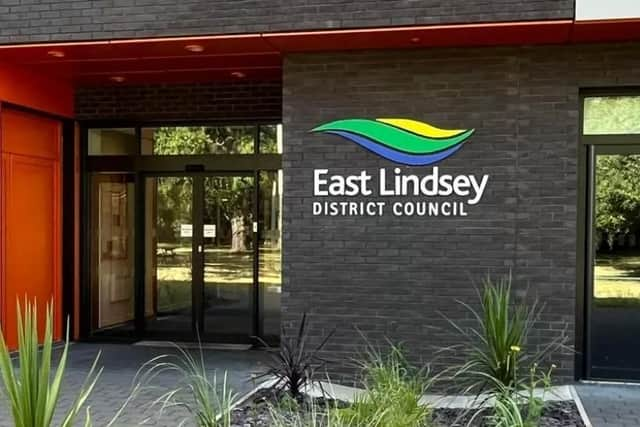

East Lindsey District Council said it has reduced its CO2 emissions by 46% between 2019 and 2023, following reductions in water, gas, electricity and fuel across the council’s services.
However, councillors raised concerns that the way the numbers are reported and believe the figures paint an inaccurate picture.
Councillors heard at an overview committee yesterday (September 2) that the district council’s total carbon emissions decreased by 25.4% from 2,357 tonnes of carbon dioxide to 1,758.2 tonnes of CO2.
The council says it reduced its waste and water in 2023 by 32% and 37% respectfully, according to its figures.
It also said that in 2023, its total carbon emissions decreased by 7% going from 1,758.2 tonnes to 1,632.7 tonnes.
The district council said it is ahead of its target of a 45% reduction in carbon emissions by 2027 and is on track to become net zero by 2040.
The district council attributed the reduction in emissions to the closure of Skegness Town Hall and Tedder Hall and the district council’s move to a new hub in Horncastle.
Heather Prescott, environment & sustainability officer at East Lindsey District Council, said: “The most significant reduction to our emissions was from our fleet and can be largely attributed to changes in our reporting methodology which has enabled a more accurate categorisation of vehicles and emissions factors to be used for different vehicles.
“The disposal of some of our conveniences (toilets) in the district facilitated this reduction in water as well as more sustainable facility upgrades to things like hand-driers in conveniences.”
But Councillor Travis Hesketh (Independent), who covers Withern and Theddlethorpe, said that using a different reporting method wasn’t a reduction in emissions.
He added: “I’m afraid I’ve got real difficulties with this report. By using a different reporting method, we’ve demonstrated that we’ve reduced our carbon footprint.
“No we haven’t. What we’ve done is use different reporting methods.
“So if I recategorised my Mini which I’m driving outside as a bicycle so I’ve shown that I’ve reduced my carbon footprint. I haven’t, I’ve just done a paperwork exercise.
“It’s frankly conning people into thinking that we’ve made a difference. It appears that getting rid of buildings and toilets is reducing our carbon footprint but somebody else is going to have those buildings instead.”
Coun Claire Arnold (Labour), who covers Mablethorpe, agreed.
She said: “The way this is worded is like saying that’s a hot potato so we’ll put it down and we’ve reduced our carbon footprint.
“I get that we need to be less carbon heavy but we need to be more open about where that carbon’s going to go.
“Just by disposing of that toilet block to somebody else or that building to somebody else, actually in the grander scheme of things, we haven’t reduced it.”
But Coun Graham Marsh (Conservative), who covers Alford, defended the council’s figures.
He said “This is a representation of the council’s footprint and by disposing of these buildings, we no longer have that footprint on our books.
“I accept that this footprint is still there for somebody but we’re not claiming that we’re challenging the world, we’re claiming that this is what the council’s footprint is.
“We are disposing of assets which are carbon heavy and reducing our carbon emissions such as our plan to put solar panels on the council hub here.
“That’s all good stuff that we’re doing. The bottom line is how much carbon has the council stopped reducing.”
Ms Prescott said: “In terms of the methodology that we used for carbon footprinting, what we have are emissions factors which are issued by the department for energy security and net zero.
“The toolkit we use utilises those figures and calculations so that’s not something that we decide upon ourselves.
“The emissions factors and methodology has changed over time so what I’ve reported in best practice in terms of that.”