
‘Food security now goes hand in hand with water security’: Lincolnshire leaders seek drought solutions for farmers
Lincolnshire leaders say urgent action is needed to protect farms, food production and communities from the growing threat of drought and flooding.
Working through the Greater Lincolnshire Forum for Agriculture and Horticulture, Lincolnshire County Council has brought together farmers, water companies, regulators and councils to look at long-term solutions to the county’s growing water challenges.
The move comes as hotter summers and more frequent dry spells leave many farms increasingly vulnerable to crop losses.
Lincolnshire is one of the UK’s most important food-producing areas, with agriculture playing a major role in both the local economy and the national food supply chain.

Council leaders say reliable water supplies are now one of the biggest concerns being raised by farmers across the county.
Justin Brown, assistant director for growth at Lincolnshire County Council, said: “With our farmers facing hotter, drier summers, water security now comes hand in hand with food security.
“And, in finding solutions to simplify the process for farmers to invest in on-farm reservoirs, we can help to make the sector more resilient to these pressures.”
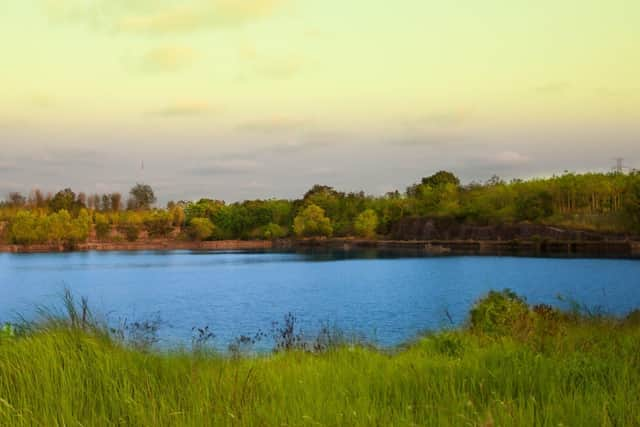
One of the key ideas discussed was greater support for on-farm reservoirs, which allow farmers to store water collected during wetter periods and use it during dry weather.
Supporters say reservoirs can help reduce pressure on rivers, lower flood risk during storms and create new wildlife habitats.
But the council says the cost of building reservoirs remains a major obstacle for many businesses.
Mr Brown added: “After the costs for experts, assessments and construction are factored in, a typical reservoir often exceeds £1 million, which many businesses simply can’t afford.
“Add in stop-start grant funding, lengthy planning processes, skills shortages, and complex and uncertain licensing agreements, it becomes clear that there are far too many barriers for farmers considering reservoirs.”
Among the proposals discussed were simpler funding schemes, clearer licensing rules, tax relief on reservoir construction, improved use of real-time water data and more consistent planning guidance.
Matt Riddington, chair of the Greater Lincolnshire Forum for Agriculture and Horticulture, said closer working between all sectors would be essential.
He said: “We need everyone to be taking an active interest in maximising the value and potential from every drop of water.
“That’s not just farmers and government departments, it’s local homeowners who gain further protection from flooding, it’s consumers who have access to healthier and higher-quality local produce during extended droughts.
“Food and water security are global issues that affect us all through public health and the environment.”
He added that the latest talks were only the beginning of a longer campaign for change.
“We know what the issues are blocking on-farm reservoirs, and this event has pulled the best knowledge from our region to work on solutions to these.
“But this isn’t the end point of that work. We’ll continue to collaborate with all stakeholders to push regional solutions and outcomes, while lobbying the Government for more systemic change that we need to see.”
Lincolnshire County Council says it will continue working with partners through UK Food Valley and the Greater Lincolnshire Forum for Agriculture and Horticulture to champion the county’s farming sector.