
Frustration over drainage charge which makes up 60 per cent of council tax
Lincolnshire councils have called for action over a charge which sees authorities handing over millions of pounds every year.
Internal Drainage Boards are public bodies responsible for managing water levels and can levy charges on councils.
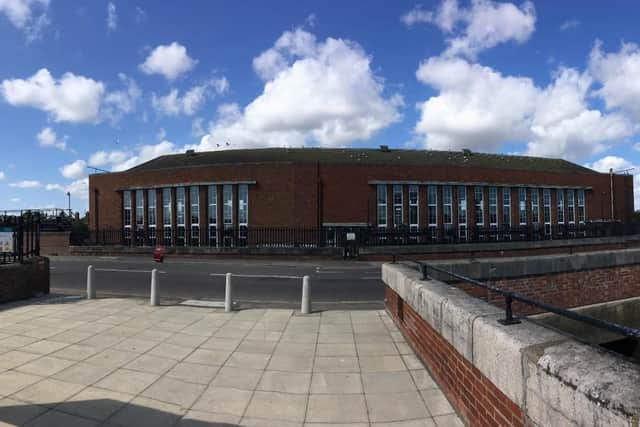

Boston Borough Council handed over £2.5m of the £4.2m it collected in council tax in 2023/24 for the IDB levy – around 60 per cent.
Many Lincolnshire authorities have also seen drastic increases over the last two years, with East Lindsey’s bill going up by £1.3m – the highest rise in the country.
Boston, South Holland, Lincoln and North Kesteven were also amongst the ten worst affected.
Internal drainage boards are set up around floodplains, coastal areas and lowlands, with much of Lincolnshire being covered.
Local authorities say the boards do vital work, but are urging action from national government on how the funding works, saying it puts Lincolnshire at a disadvantage.
Lincolnshire County Council’s flooding committee backed the campaign for change at a meeting on Monday (January 20).
Christine Marshall, Deputy Chief Executive said: “The levy is making it incredibly difficult to balance budgets and makes finances precarious.
“There is a lot of activity lobbying the government for a longer-term solution.
“A small number of councils are disproportionately affected.
“It puts them at a significant financial disadvantage, and councils have to respond by cutting back on services.”
The government offers the councils most affected a fixed rate of support, which isn’t rising as the levies do.
Possible solutions include the government funding IDBs directly or the costs being removed from council tax.
Councillor Tom Ashton (Con), chairing the committee, said: “When you take out the levies, councils are left with less tax than the average parish council.
“It shows just how out-of-kilter and misaligned the system has become. You have people living on hills making contributions to the Fens.”
Councillor Ashley Baxter (Ind) said: “I appreciate we’re putting the case to Westminster. IDBs and councils are expected to make bricks without straw.”
Committee members were told there was “vast” support from MPs in various parties for reform, although government hasn’t indicated whether it will move forwards.
A Defra spokesperson said: “Flooding this winter has shown there is much more work needed to be done to protect communities, homes and businesses from the devastating impact it leaves behind.
“We are taking action now – investing £2.4 billion over the next two years to build and maintain flood defences, which will protect homes and businesses across the country.
“We have also invested £50 million to Internal Drainage Boards, to help them better manage water levels and flood risk for local communities and farmers.”