
Green jobs at stake? Debate grows over county’s net zero u-turn
Lincoln Climate Commission has warned that proposed changes to Lincolnshire County Council’s environmental policy could have significant economic consequences for the county.
The Commission says removing Lincolnshire’s commitment to reach net zero carbon emissions by 2050 risks undermining investor confidence, threatening existing green jobs and discouraging future clean energy investment.
The draft Environment Policy, published by Lincolnshire County Council earlier this month, no longer includes a firm net zero 2050 target. It also sets out opposition to large-scale solar farms, wind turbines and electricity pylons.
The proposals come against a backdrop of public comments by council leader Coun Sean Matthews, who has questioned whether nationally imposed net zero targets are appropriate, and who has campaigned against renewable energy infrastructure in the county.
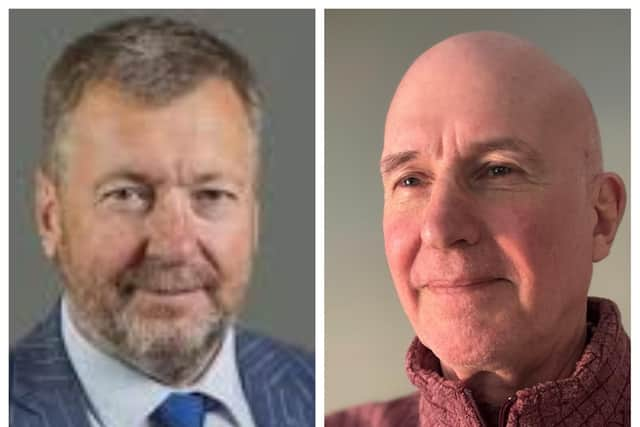

Mayor Andrea Jenkyns has also previously expressed support for fracking, although fracking has been under a national moratorium in England since 2019.
However, Simon Croxton, Chair of the Lincoln Climate Commission, said the key issue is not the name of the county’s existing Green Masterplan — which the council says is being reviewed and potentially renamed — but the removal of the long-term target itself.
“The name of the plan isn’t the issue,” he said. “The key concern is that removing the net zero target changes Lincolnshire’s direction of travel. Clear long-term goals give businesses and investors confidence. Without them, existing green jobs and future investment are put at risk.”
The Commission points to the scale of Lincolnshire’s existing green economy. According to figures published by the former Greater Lincolnshire Local Enterprise Partnership before it closed in February 2025, more than 12,000 people are employed in the low-carbon and renewable energy sector across the county, generating around £1.2 billion annually.
Major projects include offshore wind operations in Grimsby, multiple solar developments across rural Lincolnshire, and new energy infrastructure at Flixborough. Much of this investment has come from private companies rather than the county council itself.
The Commission argues that, at a time when other regions are actively competing for clean energy investment, stepping back from a clear net zero commitment could send the wrong signal to the market.
The issue of cost has also been central to the debate.
Reform UK has claimed that delivering net zero nationally could cost up to £225 billion. However, the independent Institute for Government, whose work was cited in support of that figure, has said the analysis was misrepresented and that much of the projected spending would come from private investment rather than direct taxpayer funding.
The Climate Change Committee has estimated that a balanced pathway to net zero would cost on average less than £70 per person per year. Meanwhile, the Office for Budget Responsibility has warned that failing to address climate change could carry significantly higher long-term costs.
The Commission also argues that recent spikes in household energy bills were largely driven by global gas supply shocks rather than renewable energy policy, and says expanding domestic renewables would reduce exposure to volatile international fossil fuel markets.
Mr Croxton added: “The question is not whether the Green Masterplan is renamed. The question is whether Lincolnshire positions itself to benefit from one of the largest industrial transformations of our generation.”
Lincolnshire County Council has previously said that while it is reviewing its Green Masterplan, it is not abandoning environmental action altogether. Council leaders have indicated that carbon reduction measures will continue where they represent value for money and tangible benefits for residents.
The council has been invited to comment further on the draft Environment Policy and how it intends to balance environmental ambitions with economic and financial considerations.
The debate is likely to continue as the policy moves through consultation, with questions remaining over how Lincolnshire positions itself in the rapidly evolving green economy.