
Hunt ban plans reignite debate across Lincolnshire countryside
Plans to ban trail hunting have reignited a long-running and deeply emotive debate, with strong views being voiced on both sides as the government signals a tightening of animal welfare laws.
The Government has confirmed it intends to consult on banning trail hunting in England and Wales as part of a wider animal welfare strategy, arguing that the practice has been used as a loophole to allow illegal fox hunting to continue.
Trail hunting, which involves hounds following an artificially laid scent rather than chasing a live animal, has remained legal since the Hunting Act 2004 banned fox hunting with dogs. However, ministers say evidence suggests wildlife is still being harmed and that stronger legislation is needed.
Environment Secretary Emma Reynolds said the UK government is committed to raising animal welfare standards and includes plans to end trail hunting as part of that strategy. She said the UK is “delivering the most ambitious animal welfare strategy in a generation.”

She said: “Our strategy will raise welfare standards for animals in the home, on the farm and in the wild.”
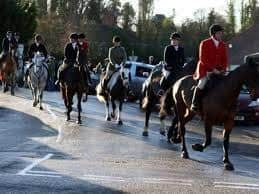
Hunts in Lincolnshire with centuries-old histories include the South Wold Hunt, based in the Lincolnshire Wolds, the Blankney Hunt, the Brocklesby Hunt, and East Lincs Basset Hounds. Supporters have maintained these packs played a role not only in countryside sport, but also in rural communities, employment and local events.
The Countryside Alliance, which represents rural communities and countryside sports, said the plans were “completely unjustified” and warned that a blanket ban could damage rural life and traditions.
The British Hound Sports Association (BHSA) has also spoken out, stressing that trail hunting is currently lawful and widely supported in rural areas.
A spokesperson said: “Trail hunting remains lawful, and we do not accept the premise that it should be banned. It supports livelihoods, keeps small rural businesses going and holds rural communities together, with well over ten thousand hounds and many thousands of horses kept specifically for this lawful purpose.”
Supporters argue that hunts operate within the law, contribute to land management and bring people together, particularly in villages where social events linked to hunting remain an important part of community life.
In Lincolnshire, the last traditional Boxing Day hunt meet for the South Wold Hunt in Louth was in 2018. It arracted hundreds of people but in late 2019 they announced they were stopping their Boxing Day meet in the Louth Cattle Market, thanking people for years of support.
MP for Louth and Horncastle Victoria Atkins, as Shadow Environment Secretary, has reacted to the plans, describing them as an attack on rural life. She said: “Banning trail hunting is not about animal welfare, it is another assault on the rural way of life by this government.”
Rural commentators have also raised concerns that decisions made at a national level may not fully reflect the realities of countryside life, warning of a growing divide between urban policy-making and rural communities.
Animal welfare organisations, however, have welcomed the government’s plans and say they are long overdue.
Groups including the League Against Cruel Sports argue that trail hunting has been used as a cover for illegal fox hunting and that stronger laws are needed to protect wildlife.
Campaigners say banning trail hunting would close loopholes in the existing legislation and make enforcement clearer for police and authorities.
A spokesperson for the League has previously said the move would help end what they describe as “excuses being used to conceal the chasing and killing of animals”, calling the proposed ban a significant step forward for animal welfare.
Hunting often comes under particular scrutiny during the festive season, when traditional meets attract large crowds and occasionally protests. In previous years, demonstrations by hunt supporters and animal welfare campaigners have taken place across the country, highlighting how divisive the issue remains.
The government has said it will consult on the proposed ban in early 2026, allowing organisations, landowners and members of the public to have their say before any changes are made.
As the consultation approaches, Lincolnshire’s hunts — and those who oppose them — are expected to make their voices heard, with the future of a centuries-old countryside tradition once again under the spotlight.