
COLUMN: Gardening in May - growing more for less
By May, the garden shifts from careful preparation to confident growth.
Seedlings raised on windowsills and in sheds are itching to head outside, borders are beginning to fill, and everything seems to grow at pace. It is one of the most exciting months in the gardening calendar, and a key moment to keep costs firmly under control.
In Lincolnshire, the average last spring frost usually falls between late April and the first week of May, though colder pockets can linger slightly longer. This makes early May a waiting game. Keep tender plants such as tomatoes, courgettes and annual flowers protected until nights are consistently mild, hardening them off gradually to avoid setbacks that could mean wasted plants and wasted money.
Once planting out begins, spacing is everything. Giving plants room now reduces competition for water and nutrients, leading to stronger growth without the need for extra feeds or replacements later. A light mulch of homemade compost, leaf mould or even dried grass clippings will help lock in moisture and suppress weeds, cutting down on watering and ongoing maintenance.
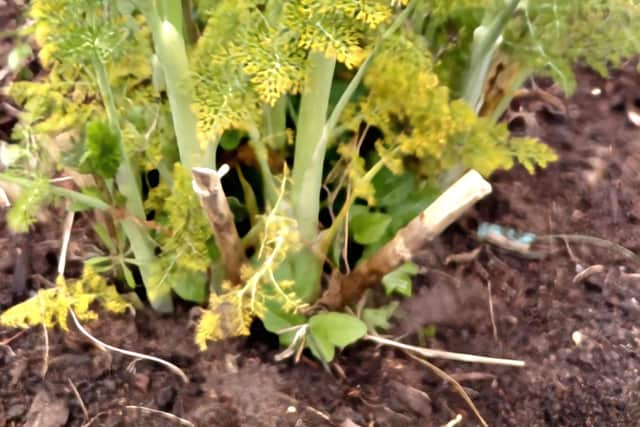

May is also a perfect time to enjoy plants that offer more than one benefit, such as fennel. Its soft, feathery foliage brings height and movement to borders, while later in the season the delicate yellow flowers are rich in nectar and loved by pollinators. Grown easily from inexpensive seed, fennel needs very little input once established and often self-seeds gently if allowed to flower. Both ornamental and edible, it is an excellent example of how budget-friendly gardening can still feel generous and abundant.
This month is also ideal for embracing plant swapping. Many gardeners end up with more seedlings than they can use, perhaps a surplus of tomatoes, spare courgettes or trays of self-sown flowers. Swapping plants with neighbours, friends or at local plant exchange events is one of the cheapest ways to add variety. One packet of seeds can turn into a whole mixed border through simple exchanges, while also building local connections and shared growing knowledge.
Direct sowing remains one of the most budget-friendly approaches. Salad leaves, beetroot, carrots and chard can still be sown little and often, while fast growing annual flowers such as cosmos, calendula and cornflowers provide months of colour for very little outlay.
Perhaps most importantly, May is a month for observation. Notice which areas warm up fastest, where seedlings thrive and where conditions are tougher. Letting the garden guide your decisions, and sharing surplus rather than buying more, keeps gardening generous, resilient and affordable as the season gathers speed.

Top tips for gardening on a budget in May:
- Delay planting out tender plants until nights are reliably mild to avoid losses
- Check what your friends and neighbours are growing and share seedlings around to increase variety without spending more
- Swap spare plants locally before buying new ones
- Mulch beds and pots with homemade compost or garden waste to save on watering
- Sow small amounts regularly to avoid waste and keep harvests coming
- Let gaps remain briefly rather than buying fillers, as fast growing annuals will quickly catch up
This column was provided by resident gardener Kate Giffen