
COLUMN: Looking ahead after a difficult growing season
This column is provided by our resident gardener, Kate Giffen.
Welcome back from the summer break, I hope your garden is growing beautifully. It hasn’t been an easy growing season so if you have had some successes then well done!
We got off to a cold and wet start, then I found much more blackfly than usual from which the broad beans never really recovered. We had hot, dry weather when many of us go away which is a challenge for watering and then there were oceans of slugs and snails. Saying that, some things such as the early sowings of lettuces, runner beans, sweet peas and late sowings of cornflowers, eschscholzia and herbs such as basil, fennel and sage have been wonderful. So it has been a bit hit and miss but that’s not uncommon in gardening.
September is definitely a time to start planning again for autumn and winter harvesting and feels like a good time to start clearing some beds. My outside tomatoes were fabulous last year, but this year have failed to ripen this year. As I don’t have a lot of space and the tomato plants have spread out widely, I have picked the green tomatoes then pulled up the plants, cut the stems into small bits and put them in the compost bin. Do make sure you check the plants for any rot or blight as you don’t want to compost these plants and risk carrying forward the disease to next season. If you have the space, freeze the whole tomatoes in bags. These tomatoes will be for chutney (recipe in next month’s column) so no need to slice. Freezing them in 500g bags saves time when you come to measure them out for cooking.
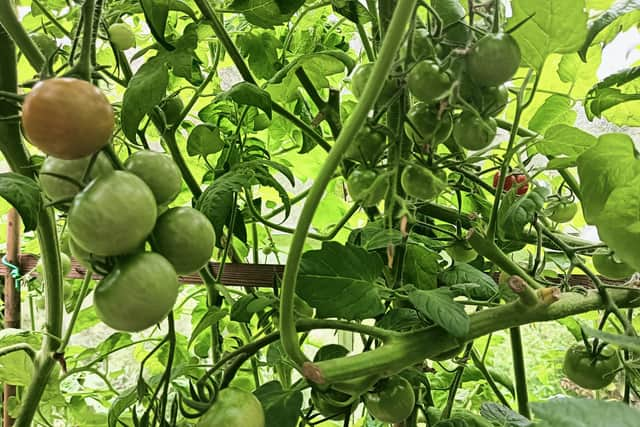

As tomatoes take a lot of nutrients out of the ground, I am going to grow my beans and peas in that plot next year. If you can, it is good to follow tomatoes with a set of plants that have different nutrient needs such as legumes (peas, beans) and root vegetables such as carrots, beetroot, parsnips and turnips. You can also get a head start on your Christmas vegetable selection by growing potatoes in bags or containers. I would recommend using a seed potato from a garden centre as these are generally pest free and will give you a better return and should be ready to harvest in about 11 weeks. As these second cropping potatoes are being planted when the temperatures are higher, they generally don’t need chitting (being left to sprout before you plant them). If you buy and plant them in the next few weeks, you have plenty of time to get a harvest for Christmas day!
See you next time for a green tomato chutney recipe. So remember, don’t despair if your remaining tomatoes fail to ripen!