
COLUMN: Protect yourself and Lincolnshire from rogue waste traders
With the Easter bank holiday approaching, many of us will feel motivated to declutter, tidy up and maybe even dust off the toolbox for a bit of DIY.
These activities often leave you with a surprising amount of leftover waste and deciding how to deal with it is not just practical, but crucial for both your wallet and the environment.
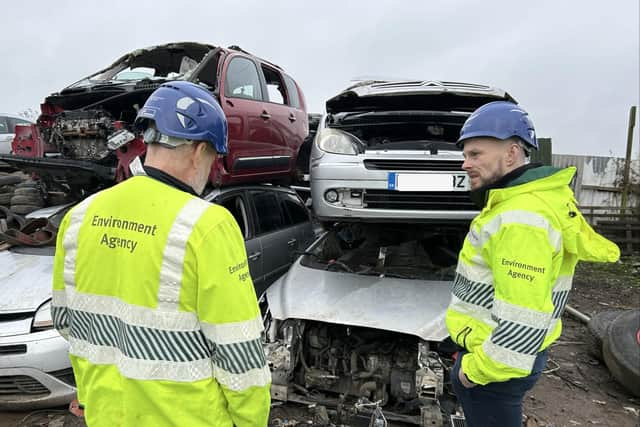

How we dispose of rubbish is a responsibility we must take seriously. I have seen waste handled in a way where impact on the environment and people is minimised.
I have also seen waste handled in a way where it can cause misery. Fly-tipping and illegal waste is not only a blot on our landscape, it also damages our environment and creates health risks for people and wildlife.
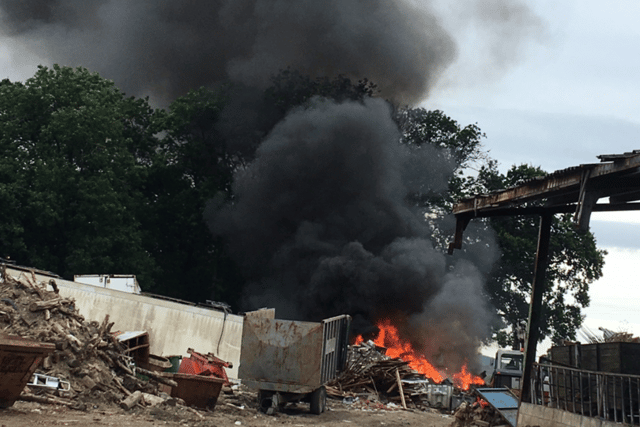
A common mistake people can make is hiring a company that offers a tempting low price and ‘sameday collection’. If that operator isn’t licensed, you could become unintentionally complicit in waste crime. And yes, even if they fly-tip it, you can still be held liable.
Disposing of waste through unlicensed operators can lead to significant legal consequences. The Environmental Protection Act 1990 states that anyone who fails to take reasonable measures to ensure their waste is handled correctly can be fined up to £5,000. Therefore, it is essential to verify the legitimacy of your waste disposal service to avoid these potential legal pitfalls. You can do this by checking they are licenced here: Waste Carriers, Brokers and Dealers.
The role of the Environment Agency
The Environment Agency regulates waste management and ensures compliance with environmental laws. Waste crime is also a lot more complex than just fly-tipping. It includes sites operating without the correct permits or authorisations, large scale dumping of waste, waste fires, misdescription of waste and illegal waste exports.

Our officers conduct inspections and where they find issues offer advice and guidance. In the more serious cases, they carry out investigations that can lead to individuals or companies being prosecuted. Cutting-edge technology, including drones, helps us detect waste that may otherwise be hidden. You can read more about this here: Enhanced package
We are taking faster, more targeted action against those in the waste sector who we suspect are breaking the rules. Where we find evidence of illegal activity and non-compliance with permit conditions which are intended to protect communities and the environment, we will not hesitate to suspend or revoke permits and pursue criminal prosecution, when necessary.
We are not just targeting waste sites. We are acting upstream across the entire waste supply chain. Anyone who diverts waste from the legitimate supply chain can expect intense scrutiny. No part of the sector is beyond our reach.
In Lincolnshire, we take a proactive, intelligence-led approach to tackling serious and organised fly-tipping. A key part of that is strong partnership working. Through the Lincolnshire Environmental Crime Partnership, we work closely with 23 partner agencies including police, local authorities, DVSA and NFU, to gather and share intelligence and take coordinated action against offenders. By combining resources and expertise, the partnership ensures that serious waste crime is addressed quickly, consistently and with the full weight of all agencies involved.
We are also active members of the Lincolnshire Multi Agency Intelligence Network, where we work with police and other enforcement agencies to combat serious organised crime. Our work there led to the discovery and closing down of one of England’s largest catalytic converter sites. Read more: Rogue waste company fined £1 million for running illegal site.
It can be tricky to know who to call when you spot fly-tipping. We ask that you report it to either us or your local authority and we can ensure the message gets to the relevant team.
Generally speaking, local authorities are responsible for fly-tipping if it is less than 20 tonnes.
If it is more than that or if it contains hazardous material that is when we step in. More info here: Fly-tipping: council responsibilities.
Tackling waste crime
Our action is delivering results. In 2024/5, we successfully stopped activity at 743 illegal waste sites across the country. Twenty-seven of those were in Lincolnshire. Most recently a waste criminal from London was ordered to hand over more than £1.4 million for illegally dumping more than 4,275 tonnes of waste across 16 sites in England. There were six sites in Lincolnshire. Read more: Serial waste crook forced to pay over £1.4 million for widespread illegal dumping
We also recently prosecuted three men and a firm after we discovered an illegal waste site at Hook Cliff Farm near Grantham. This resulted in several convictions and large donations to charity. Read more: Success for Environment Agency with illegal waste site probe.
At national level, measures announced recently by Defra will provide the Environment Agency with new enforcement powers to intervene earlier and hit organised gangs where it hurts by disrupting their finances. Alongside this, the Environment Agency is receiving a boosted budget for waste crime enforcement. Read more: Government cracks down on waste crime to clean up streets and restore pride in communities.
To protect yourself from rogue waste operators, follow these steps:
- Check for licenses: Ensure that the waste operator is registered with the Environment Agency. You can check their credentials online through the agency’s public register.
- Ask for paperwork: A legitimate operator will provide you with a waste transfer note, detailing the type and quantity of waste, the collectors’ details, and where the waste is being taken.
- Be wary of low prices: If a deal seems too good to be true, it probably is. Rogue operators often offer lower prices to attract customers.
- Document everything: Keep receipts and records of waste transfers as proof that you have disposed of your waste responsibly.
By taking these precautions, you can help prevent illegal dumping and ensure your waste is disposed of in a responsible and legal manner. You can report waste crime anonymously by calling Crime Stoppers on 0800 555 111.
This column has been provided by Leigh Edlin, Area Director at the Environment Agency for Lincolnshire and Northamptonshire.