
COLUMN: Tips for amateur gardeners in August
August in Lincolnshire brings long, warm days, buzzing bees, and gardens brimming with colour and homegrown goodness.
Whether you’re tending a few pots on a patio or managing a full veg patch, there’s plenty to enjoy and still plenty you can do without spending a fortune. For amateur gardeners, this is a month full of opportunity.

Harvest and Share
By now, local gardens are overflowing with courgettes, runner beans, and tomatoes. It’s a satisfying time of year, when your hard work starts to pay off in abundance. If you’ve got more than you can eat, why not share the surplus with neighbours or swap for something you didn’t grow?

Sow for Autumn and Winter
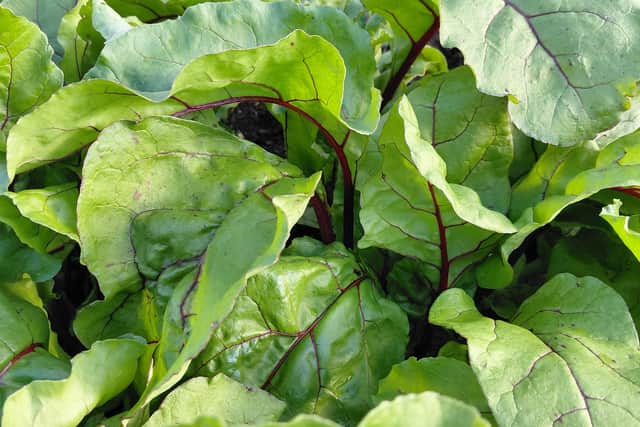
It’s not too late to keep the growing season going. Leafy greens like winter spinach, rocket, and Swiss chard thrive in Lincolnshire’s well-drained soils and will keep producing into the colder months. Fast-growing crops like radishes and spring onions are perfect for succession sowing, giving you fresh pickings well into autumn. You might even squeeze in a final sowing of beetroot or lettuce if the weather holds.
Save Seeds and Take Cuttings
Now’s the time to think ahead. Save seeds from easy favourites like beans, marigolds, nasturtiums, and poppies. Just make sure they’re fully dry before storing. You can also take softwood cuttings from herbs like lavender and rosemary. These Mediterranean staples do well in Lincolnshire gardens and root easily in pots of gritty compost, giving you free plants for next year or thoughtful gifts for friends.
Water Wisely
August can be deceptively dry, so it’s important to get smart with your watering. Early morning or late evening is best to reduce evaporation. Make the most of saved rainwater or greywater from the kitchen and mulch around plants with grass clippings or compost to help retain moisture. Don’t forget to give shrubs like camellias a good soak now – they’re forming next year’s flower buds.
Deadhead and Divide
Keep your garden looking its best by deadheading faded blooms. This encourages more flowers and keeps things tidy. It’s also a good time to divide perennials like rudbeckia, sedum, and daylilies. Not only does this rejuvenate tired clumps, but it gives you extra plants to fill gaps or share with others.
Plan and Reflect
Take a moment to look around and reflect on what’s worked well this season. Which plants thrived? What would you do differently next year? Jot down notes or sketch out ideas while it’s still fresh in your mind. This kind of planning makes it easier to take advantage of autumn seed swaps, local plant sales, and winter catalogues.
Enjoy the Moment
Finally, don’t forget to pause and enjoy your space. Whether you’ve got a few pots on a doorstep or a full allotment, there is huge joy in growing your own. So make a cuppa, pull up a chair, and take it all in. See you next month.
This column has been provided by resident gardener Kate Giffen