
Almost two dozen people in Gainsborough stopped from voting due to ID rules
Almost two dozen people in Gainsborough did not return to vote after being turned away at the polling station at the recent general election, figures show.
Since May 2023, voters have needed to show photo ID to vote in UK parliamentary elections, and for local elections and referendums in England.
The move has proved controversial, with some groups saying it may make voting harder for younger people and ethnic minorities, who are less likely to have a valid form of photo ID.
New figures from the Electoral Commission show 62 voters were initially turned away from polling stations in Gainsborough due to ID rules in the general election this July.
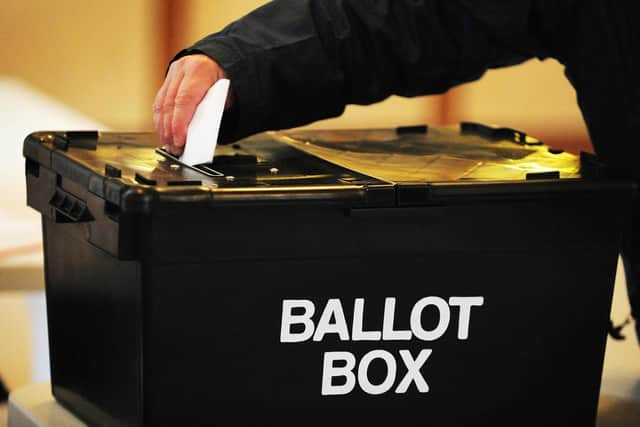

While 39 of these returned to vote, 23 did not.
The organisation cautions the true number may be higher than this, as some voters may have been told about the ID requirement by staff before they asked for a ballot, and therefore would not have been recorded as being turned away.
In total, 35,538 people voted at 97 polling stations in Gainsborough.
Across Great Britain 50,000 people were initially turned away due to not having valid ID, with 16,000 people not returning to vote.
However, some polling stations did not submit data on the number of people unable to vote, so the true figure may be higher.
While this was a small proportion of the nearly 20 million people who voted at polling stations, the Electoral Commission warned some may have been put off voting by the new rules.
Electoral Commission chief executive Vijay Rangarajan said: "This was the first time all voters across the UK were required to show photographic ID at a general election, and the data shows almost everyone was able to do so successfully.
"However, our research shows that the need for ID discouraged some people from voting – and we don’t want to see any voters lose their say."
Polling for the organisation suggests 71 per cent of 18 to 24-year-olds are aware of the rules, compared to 91 per cent for those aged 45 and over.
In addition, 76 per cent of people from ethnic minority communities were aware of the rules compared to 90 per cent of white people.