
Crossroads for Lincolnshire Police as chief constable says 'we need to do better'
Lincolnshire Police says it will face great difficulty making the improvements highlighted in a critical report without more funding.
The force was found to be inadequate in four areas and required improvement in the other four, in a report released by a watchdog this week.
It found that the standards of investigations had worsened, while there were also key problems with how police responded to 999 calls and managed sex offenders.
His Majesty’s Inspectorate of Constabulary, which measures the effectiveness of police, placed Lincolnshire’s force in an ‘enhanced monitoring’ status last year after problems were uncovered.

However, the latest report comes as the force – one of the lowest funded in the country – faces laying off 400 staff and officers due to a budget blackhole, with consultations starting by October.
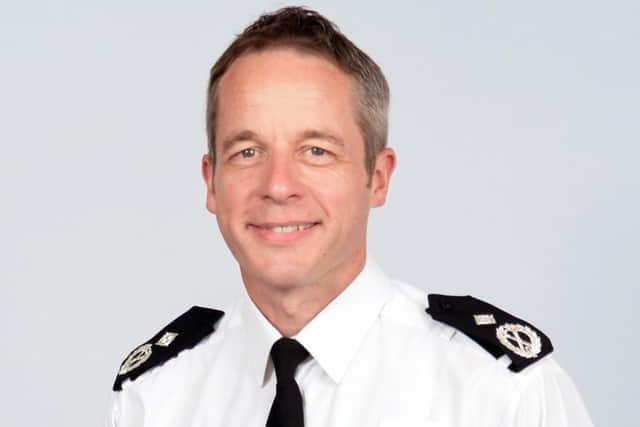
Lincolnshire Chief Constable Paul Gibson has said their ability to make changes will be limited by what financial support the government provides.
He said: “There is no doubt some findings by the HMIC require attention. We can improve within the funding we’ve got, however the immediate future is relevant to how fast and far we improve.
“If we have to start consultations on losing 400 officer and staff jobs from October 1, it will be difficult to improve whilst doing that.
“If we maintain resources, we’re really confident we can make inroads.”
The Chief Constable admitted the force “needs to do better” in some areas, and it had begun making changes after being presented with the HMIC’s initial findings in December.
He said: “Work has started. We are slowly getting to the point where we’re responding quicker; investigations are improving and there is less backlog.”
The main causes for concern identified by the HMIC are it doesn’t respond to calls within its target times; it needs to improve its investigations to ensure victims get the necessary support; it must ensure it’s able to manage the risks posed by sex offender;it isn’t able to respond to demand and it doesn’t have strategic plans in place.
He added: “Chronic underfunding has been more of a problem in this force than any other I’ve worked in.
“It does have an impact on how people feel. They are working 24/7 in difficult circumstances, and the majority do their level best to serve victims.”