
East Lindsey council sets ‘balanced budget’ and £10m investment fund
East Lindsey District Council has set a ‘balanced budget’ for the coming year while committing a further £10 million to support communities, tourism and businesses across the district.
Councillors approved the authority’s 2026/27 budget at a Full Council meeting on Wednesday (March 4), confirming continued investment in local priorities despite ongoing financial pressures.
The council will launch a second round of the East Lindsey Investment Fund (ELIF2), allocating another £10m after the success of the original programme introduced in September 2024.
Funding will again focus on four key priorities:

• Pride in East Lindsey grant schemes – £2m
• Community development initiatives – £1.5m
• Tourism and events programme – £2m
• Business support and enabling growth – £4.5m
Council leaders say the funding will help support local communities, encourage economic growth and strengthen tourism across the district.
The authority said it had maintained its strong financial position despite national economic uncertainty, inflationary pressures and rising demand for council services.
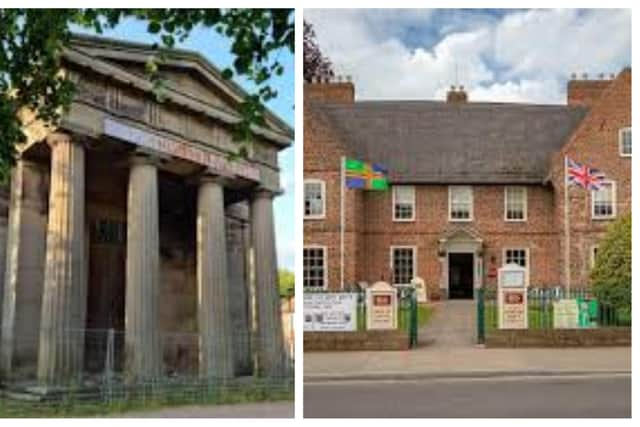
The new budget also includes continued investment in projects such as regeneration of heritage buildings, including Spilsby Sessions House and Alford Manor House, as well as town centre improvements, disabled facilities grants and the Warm Homes local grant scheme aimed at helping residents reduce energy bills.
Councillors also approved a £5.13 annual increase in council tax for a Band D property – equivalent to around 10p per week for district council services such as waste collection, planning, housing and environmental health.
East Lindsey says it still has the lowest district council tax in Lincolnshire, with 81% of homes in Bands A–C, meaning most households will see a smaller increase.
However, the council warned that Internal Drainage Board (IDB) levies remain a major financial pressure. The levy will rise to £5.45m in 2026/27, an increase of £59,000 on last year, and now accounts for around 62% of the council’s retained council tax income.
Since 2021/22 the levy has increased by £1.6m – a rise of 43%.
East Lindsey is working with around 40 other councils affehttps://democracy.e-lindsey.gov.uk/ieListDocuments.aspx?CId=115&MId=7056&Ver=4cted by the issue to lobby Government for changes to the funding system. A one-off £5m national support fund has recently been announced, although details of how it will be shared have not yet been confirmed.
Councillor Thomas Kemp, portfolio holder for finance, said the council had been able to balance its budget while continuing to invest locally.
He said: “Thanks to good financial management and planning, the council is fortunate to be in a position to invest a further £10m following the success of the first round of the East Lindsey Investment Fund.
“Despite the ongoing challenges within the local government finance system and significant cuts to our funding, the council has achieved a balanced budget that protects services and allows for continued investment.
“The Internal Drainage Board special levies remain a significant challenge and we will continue to lobby Government for a fairer funding model.”
He added that the council would continue working to reduce running costs, improve efficiencies and generate income to support local services.
Full budget reports presented to the meeting are available on the council’s website at democracy.e-lindsey.gov.uk.