
Homelessness figures release paints stark national picture — what it means for Lincolnshire
New government statistics show a record-high number of people sleeping rough in England, highlighting the ongoing housing crisis — and raising fresh concerns for areas including Lincolnshire.
The annual Rough Sleeping Snapshot for Autumn 2025 reveals that an estimated 4,793 people were sleeping rough on a single night across England — the highest level recorded since the counting method began in 2010 and up around 3% on the previous year.
The figures reflect a troubling trend as homelessness across the country continues to rise, with thousands of people forced onto the streets or into precarious housing situations.
Record rough sleeping nationwide
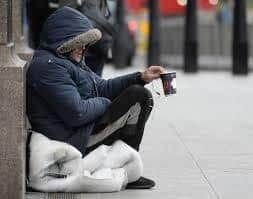

The statistics show:
• 4,793 people were counted sleeping rough in Autumn 2025 — more than at any point since records began.
This marks a continuation of rising numbers year on year, with rough sleeping at far higher levels than a decade ago.
Experts warn official counts may still understate the scale of the crisis, as many people remain unseen or are hidden from traditional street-count methods, particularly women, families and those sofa-surfing.
Lincolnshire context
While the government’s annual snapshot focuses on England as a whole rather than individual counties, local data and reports suggest homelessness presents particular challenges across Lincolnshire.
Agricultural and coastal areas such as Boston, East Lindsey and Skegness can experience seasonal rough sleeping, while rural sparsity and limited local services are additional barriers to help and accommodation for vulnerable people.
The Annual Report (2023–24) showed verified rough sleepers in East Lindsey as follows:
- 2022–23: 132 people were verified as sleeping rough.
- 2023–24: 146 people were verified as sleeping rough.
(This shows a rise in rough sleeping year‑on‑year.)
Referral numbers into rough sleeping support services:
- East Lindsey referrals increased from 372 (2022–23) to 440 (2023–24).
- In Boston Borough (neighbouring district): Verified rough sleepers also rose from 129 (2022–23) to 167 (2023–24).
According to local housing data, Lincolnshire housing authorities have seen increases in the number of people presenting with complex needs and facing homelessness, with the highest rough sleeping levels in areas including Lincoln, Boston and East Lindsey.
Stats for East Lindsey from April 2025 to January 31 this year show 384 referrals, 141 verified.
Ninety-seven people were taken off the streets into different accommodation, including returning home, supported, private rented, social housing, temp accommodation including the PODS.
Six people were placed in PODS – one abandoned and one moved into private rented,
Two were referred into Private Rented Sector (PRS), one was referred into supported housing and one has only just started his recovery journey with the team and had never accepted any other housing offer.
Currently there are eight people verified as rough sleeping with seven new referrals, four peoples in PODS, four people in temporary accommodation, flats or houses (not B&B).
Four are in in PRS and continuation of support until settled, ELDC states.
Organisations working on the front line have described the figures as “devastating” and a sign that homelessness must be treated as a national priority.
Rick Henderson, chief executive of homelessness support body Homeless Link, said the figures show people are being “forced to sleep on the streets at unprecedented levels” and called on government to step up efforts to support vulnerable people.
The national picture also includes record numbers of households in temporary accommodation, with children among those affected — further illustrating the breadth of the housing emergency.
In response to the latest statistics, the government has announced £50 million in new funding aimed at bolstering efforts to tackle homelessness and rough sleeping.
The investment will support local councils and community groups delivering homelessness prevention and support programmes, as well as new plans to halve long-term rough sleeping by the end of this Parliament.
The funding includes a £37 million Ending Homelessness in Communities Fund for voluntary and community organisations, and a £15 million Long-Term Rough Sleeping Innovation Programme targeting areas with the greatest pressures.
What this means locally
Homelessness remains a pressing concern for councils and support services across Lincolnshire and beyond. Local authorities continue to work with charities and outreach teams to provide support and accommodation, but rising rough sleeping figures underline the need for wider solutions to the housing crisis.
If you are worried about someone sleeping rough in your area, you can report it to organisations like StreetLink, who will alert outreach teams to offer help and support.
If you are homeless or at risk of homelessness in Lincolnshire, help is available:
Local Councils (Housing Options Teams)
City of Lincoln Council
Housing Options: 01522 873333
Website: www.lincoln.gov.uk
Boston Borough Council
Housing Advice: 01205 314200
Website: www.mybostonuk.com
East Lindsey District Council
Housing Support: 01507 601111
Website: www.e-lindsey.gov.uk
North Kesteven District Council
Housing Advice: 01529 414155
Website: www.n-kesteven.gov.uk
South Kesteven District Council
Housing Options: 01476 406080
Website: www.southkesteven.gov.uk
West Lindsey District Council
Housing Advice: 01427 676676
Website: www.west-lindsey.gov.uk