
Lincolnshire Police unit dealing with violent sexual offences and paedophiles warns of online dangers to children
Lincolnshire Police is turning the spotlight on its Protecting Vulnerable Persons (PVP) department – which deals with cases of sexual abuse and online paedophilia.
The force is hopng to bolster their PVP teams with extra recruitment through a ‘Lincs 2030 plan' – which aims to improve the service they deliver.
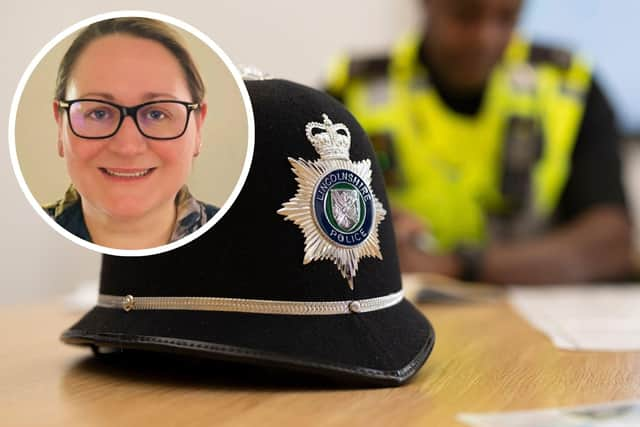
Detective Inspector Claire Rimmer works within the PVP department and regularly comes into contact with people who have been through trauma. The role is often challenging and requires sensitivity, care and empathy.
“PVP is made-up of several different departments under one big banner,” DI Rimmer explains. “Within that, we have the management of sexual and violent offenders, we have the paedophile online investigation teams, as well as hubs which deal with rape and serious sexual assaults. We also deal with child deaths, vulnerable adults, general safeguarding, and a lot more.

“We mainly deal with Rape and Serious Sexual Offences (RASSO). Predominantly rape offences, typically against females over 16. We also have POLIT – the Police Online Investigation Team – which is often executing warrants. Online offences are huge at the minute, and they'll grow, and they'll keep growing because of the world we live in. We also manage the sex offenders in the community and deal with the breaches of notification and orders that the sex offenders commit.
“I think online crimes are probably already the most dominant form of sexual crime we deal with, because nearly every offence has some form of digital footprint to it. We're always seizing phones, tablets, laptops for any of the offences that we're dealing with.”
With the internet and social media now dominating many of our lives, online platforms have also given rise to criminal activity. DI Rimmer believes young people are particularly vulnerable and can be bombarded by indecent content or even naively share the content themselves unaware of the consequences.
“When you're dealing with the indecent images of children, what happens online is that those images get regurgitated,” she explains. “We now say to children that whatever you put online stays online. As soon as images are out there, you've got no control over it because they're gone and somebody else is using it.
“Online crime is just huge, it's massive in our day and age because of the technology we have. I know Neighbourhood Policing Teams (NPTs) work hard on educating online safety within the schools. And we have the online safety partnership as well - that's a multi-agency which goes out around the school teaching kids how to behave online.
Lincolnshire Police said before a case can be taken to court, explicit material must be viewed and graded. This requires specially-trained officers to sift through the content and judge the level of abuse on display.
DI Rimmer says viewing this content does have an impact on those required to do so. But she added that the desire to see the perpetrators brought to justice and see the victims get some form of closure drives the wider department forward.
“This material is created where the abuse is taking place, and someone takes a picture or video”, DI Rimmer said. “It has an impact on everyone that views them and anybody that works in this field. Those who work in the department care for victims. They want to effectively have justice brought for those victims.”
Operation Yewtree, a police investigation into sexual abuse allegations, predominantly the abuse of children, saw multiple people arrested and convicted.
"Jimmy Saville was a high-profile subject of the investigation,” a force spokesperson recounts. “It led to a huge increase in the reporting of sex crimes.”
DI Rimmer says the stigma around sexual crimes is slowly waning and believes more and more people are courageously coming forward. She also welcomes the Online Safety Bill and believes it shows that attitudes around online safety are changing.
“The positive part is it's been recognised by the people in power that something needs to be done and they're trying to do something about it – which is why the online safety bill is here," she adds.
“I think another thing to be happy about is that people do come and report it, there isn't a shame to it like perhaps there was in the past. A lot of people are actively promoting victim rights and welfare. While we know there’s been issues in the past, there has been really positive progress in supporting victims and building confidence in our service. We’re passionate about it. We want to bring people to justice, and we want to do a good job.”