
Louth man diagnosed with brain tumour after fall from bike, pedalling from John O'Groats to Land's End
A Louth man diagnosed with a terminal brain tumour is cycling from John O’Groats to Land’s End for Brain Tumour Research to help find a cure for the devastating disease.
Chartered surveyor, Edward Cox, 52, discovered he had a brain tumour, later confirmed as an aggressive glioblastoma (GBM), after falling off his bike whilst cycling in the Peak District with friends in June 2019 and going on to suffer from headaches and problems with his vision.
Following an awake craniotomy at Hull Royal Infirmary lasting more than six hours, the father of Martha (now aged nine), underwent radiotherapy and chemotherapy treatment.
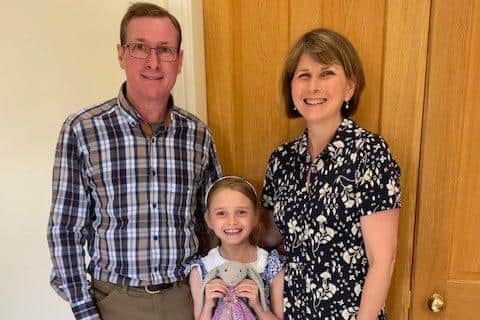
Ed, who has previously put pedal to the metal to complete a Coast-to-Coast cycle between the Irish Sea and the North Sea, from Cumbria to Tyneside, said: “My recovery from surgery went well and a month later, the same day as our daughter Martha began Year 1 at school, I started six weeks of radiotherapy and thereafter six months of chemotherapy.

"Since April 2021, I have had regular MRI scans, and, so far, they have been stable, although I have been left with short-term memory problems, fatigue and an inability to read – which is challenging at times!”
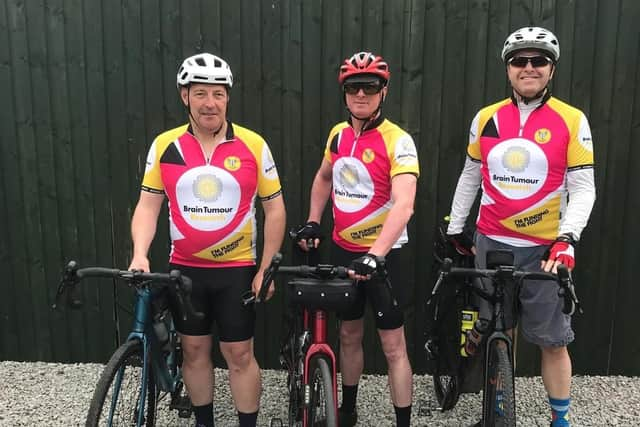
Two of Ed’s friends, who share a passion for cycling, will be joining him in this epic 14-day ride from “End to End” of the United Kingdom, starting out on August 30. Adam Sessions and Jon Silver will also be vital in keeping Ed from getting lost because of his inability to read.
Ed added:“Before I was diagnosed, I knew next to nothing about brain tumours, so it was a very steep learning curve. I feel very lucky to still be very much alive four years on. Especially after learning that GBM is the most common type of primary aggressive brain tumour in adults, with a typical survival prognosis of 12 to 18 months.
“But treatment hasn’t really changed in the last couple of decades due to pitiful funding for research.
“I’m supporting Brain Tumour Research as the charity is committed to funding vital research to find more effective treatments and ultimately a cure, while campaigning for increased funding from UK governments.
“I’m really grateful to everyone who has sponsored me so far – as of today my total is more than £5,800.”
Ashley McWilliams, community development manager at Brain Tumour Research said: “Brain tumours are indiscriminate and can affect anyone at any age.
“We are very grateful to Ed and his friends for taking on the challenge to cycle from John O’Groats to Land’s End. They are raising vital money which will progress our research into brain tumours. This research will improve the outcome for patients like Ed who are forced to fight this awful disease.”
Just 12% of those diagnosed with a brain tumour survive beyond five years compared with an average of 54% across all cancers.
Brain Tumour Research funds sustainable research at dedicated centres in the UK. It also campaigns for the Government and larger cancer charities to invest more in research into brain tumours in order to speed up new treatments for patients and, ultimately, to find a cure. The charity is the driving force behind the call for a national annual spend of £35 million in order to improve survival rates and patient outcomes in line with other cancers such as breast cancer and leukaemia.
To sponsor Ed, go to www.justgiving.com/page/edward-cox-1714338744596