
Little terns and ringed plovers—both fragile ground-nesting birds—make their homes in shallow scrapes on the sand and shingle, balancing precariously between land and sea. Once found at multiple sites along the Lincolnshire coast, their numbers have dwindled dramatically over the past 50 years, leaving Gibraltar Point as a vital stronghold.
Now, the Lincolnshire Wildlife Trust is celebrating five decades of dedicated protection at the reserve’s Shorebird Sanctuary, with special events taking place on Friday 17 April and Saturday 18 April 2026.
Since 1976, wardens and volunteers have worked tirelessly to safeguard these vulnerable birds during the breeding season. Each year from 1 April, a section of beach is fenced off to create a no-access sanctuary, giving the birds the best possible chance to nest and raise their young.
The challenges are significant. Eggs and chicks are at constant risk from predators, flooding during high tides, and accidental disturbance from visitors. To counter this, trained wardens—operating under licence from Natural England—closely monitor the colony, deter predators and even relocate nests threatened by rising tides.
Despite the demanding nature of the work, those involved say it is deeply rewarding. Their efforts have helped sustain Lincolnshire’s last breeding colony of little terns and a key population of ringed plovers.
Little terns, the UK’s smallest tern species, migrate thousands of miles from West Africa each year to nest on British beaches. Once recorded at nine sites across Lincolnshire, they now breed only at Gibraltar Point. Ringed plovers, recognisable by their distinctive black markings, have also suffered steep declines and are now on the UK’s Red List of conservation concern.
Anniversary events
To mark the sanctuary’s 50th anniversary, a series of events will give visitors the chance to learn more about these remarkable birds and the people who protect them:
Evening talk and meal – One good tern deserves a Shorebird Warden
Friday, April 17, 6.30pm – 9pm
A special evening featuring a talk, stories from past wardens and a hot meal.
Day of celebration – A day for the little tern
Saturday, April 18, 10am – 4pm
Family-friendly activities, exhibitions, crafts and a self-guided trail.
Guided walks – Shorebirds and their conservation
Saturday, April 18, 10.30am and 1.30pm
Join a warden for a relaxed walk to spot birds as they establish territories.
Guided walk – Experience the high tide
Saturday, April 18, 6.30pm – 8.30pm
An evening walk to witness the changing landscape as the tide comes in.
Conservationists are urging visitors to play their part by keeping out of restricted areas, avoiding disturbance to nests and keeping dogs under control, particularly during the breeding season.
Volunteers continue to play a crucial role in protecting the birds—helping to patrol the sanctuary, monitor nests and speak with visitors about their importance. Anyone interested in getting involved can find out more at:
Other nature reserves and bird sanctuaries around the county include:
Donna Nook National Nature Reserve – Famous for grey seals, but also a major site for wintering birds and coastal wildlife.
Saltfleetby-Theddlethorpe Dunes National Nature Reserve – Sand dunes, saltmarsh and mudflats supporting diverse birdlife and rare plants.
Saltfleet Nature Reserve – A “nationally important” coastal habitat with mudflats, dunes and saltmarsh species.
RSPB Frampton Marsh – One of the UK’s top birdwatching sites for waders and wildfowl.
RSPB Freiston Shore – Managed realignment site attracting huge numbers of birds.
Inland wetlands, lakes and fens
Whisby Nature Park – A popular reserve with lakes formed from old quarries, now rich in wildlife.
Deeping Lakes – Important wetland reserve for birds and aquatic species.
Baston Fen – A key fenland habitat supporting rare species.
Crowle Moor – One of the last remaining peat bogs in the county.
Woodland & mixed habitat reserves
Snipe Dales Country Park and Nature Reserve – A mix of woodland, valleys and streams, popular for both wildlife and visitors.
Limewoods National Nature Reserve – Ancient woodland and archaeological landscape.
Nettleton Nature Reserve- A restored site now rich in birds, wildflowers and grassland species.
Barlings Nature Reserve – A newer reserve combining woodland and grassland habitats.
Other notable smaller local nature reserves:
Mareham Pastures Local Nature Reserve
South Thoresby Warren
Cross O'Cliff Orchard
Horncastle Community Woodland
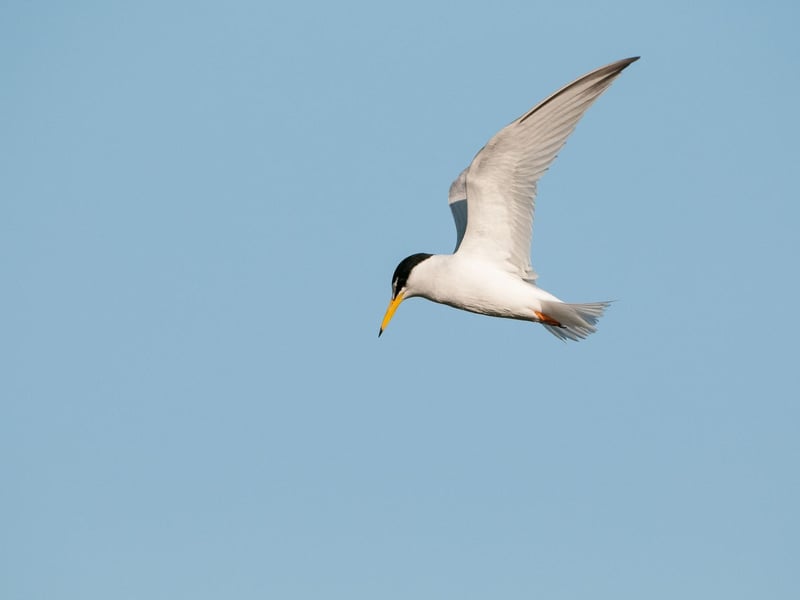
1. Gibraltar Point
Little tern. Photo: Geoff Trinder_Lincolnshire Wildlife Trust. Photo: Geoff Trinder_Lincolnshire Wildlife Trust.
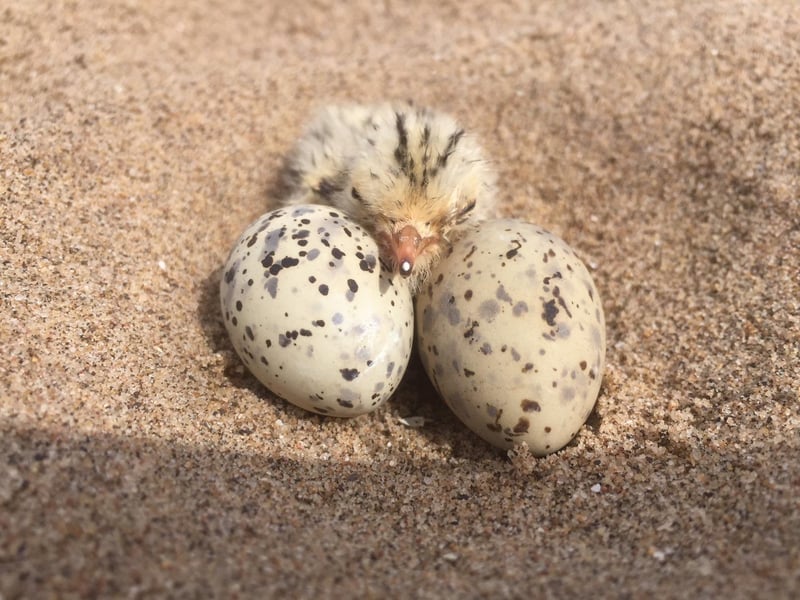
2. Gibraltar Point
Little tern chick and eggs. Photo: Richard Doan, Lincolnshire Wildlife Trust Photo: Photo: Richard Doan, Lincolnshire Wildlife Trust
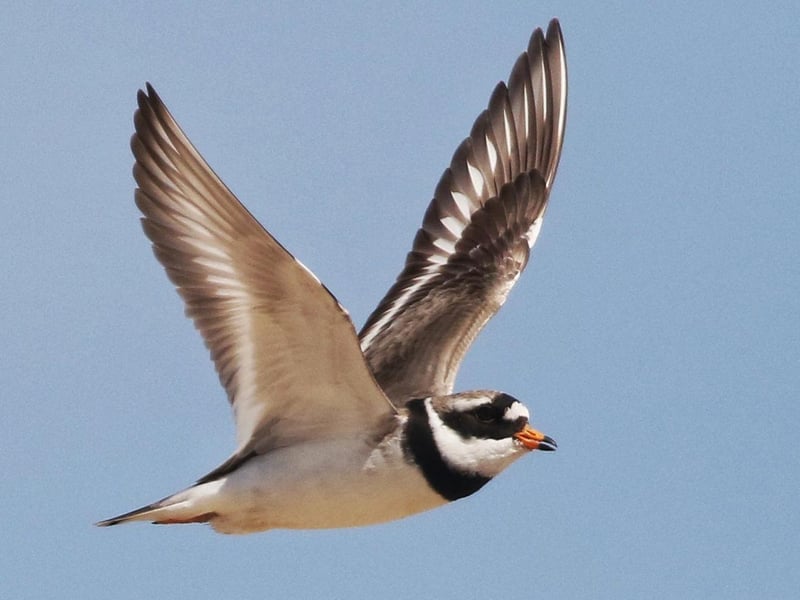
3. Gibraltar Point
Ringed plover. Photo: Sam Goddard_Lincolnshire Wildlife Trust. Photo: Photo: Sam Goddard_Lincolnshire Wildlife Trust.
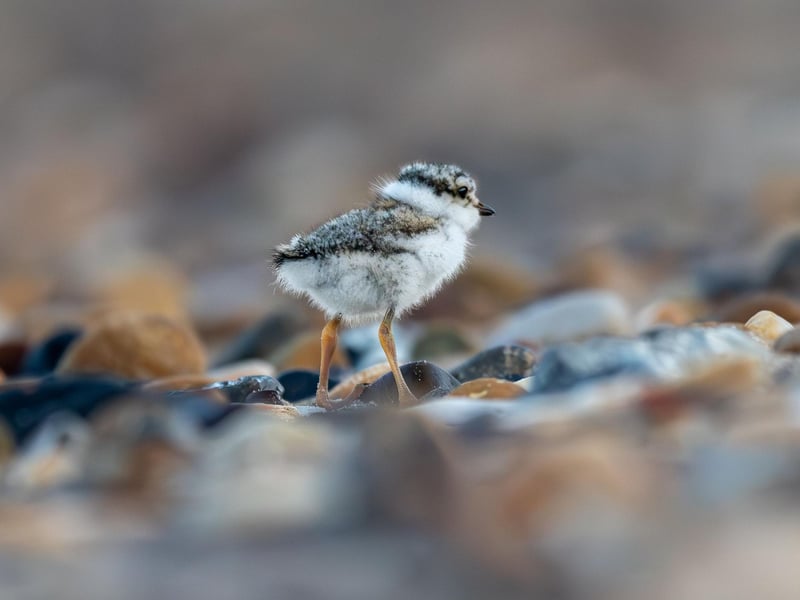
4. Gibraltar Point
Ringed plover chick. Photo: Mike Watts, Lincolnshire Wildlife Trust Photo: Photo: Mike Watts, Lincolnshire Wildlife Trust