
Four takeaways from Lincolnshire’s new roads masterplan
A new strategy to tackle some of Lincolnshire’s smaller, unclassified roads has been approved in a bid to improve standards.
Lincolnshire County Council has approved the change of direction with its highways strategy for the next three years, with leader Councillor Sean Matthews describing it as a “juggling act”.
The state of roads is one of the most frequent criticisms for any council, particularly after the bad winter.
Here’s how Lincolnshire will be attempting to improve its roads by 2029.

Getting unclassified roads up to scratch
The council says its data shows that the main A, B and C roads are now better than average for English authorities, but that the county’s smaller roads are lagging behind.
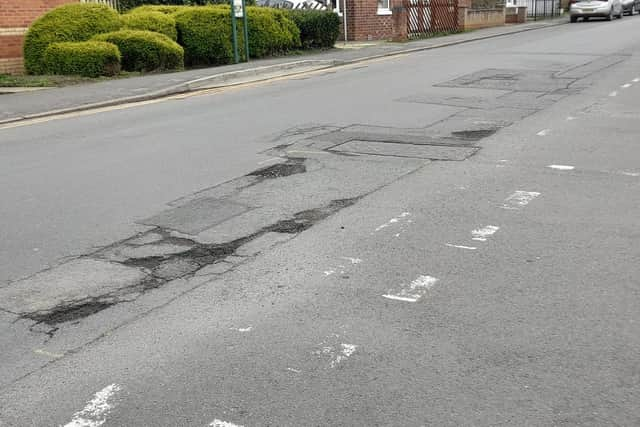
One of the big focuses of the next three years will be to bring unclassified roads – which are often used for local access – up to scratch.
Just over 21 per cent of unclassified roads currently require some sort of maintenance. The council’s target is to bring this down to 15 per cent by 2029.
Targeting flooding hotspots
There are often calls for better cleaning of drains and gullies after flooding.
The council is looking into more frequent cleans for high-risk areas and less for low-risk ones, which they believe will protect homes and prolong the life of roads.
Head of Highways Jonathan Evans said: “For a residential estate where the risk is extremely low, we could potentially extend cleanings, and free up funding to focus on flooding hotspots.”
Council leader, Coun Matthews said: “We’ve got to get to the cause of roads getting damaged, and drains are a big part. We are serious about getting these roads better over the next few years.”
Incorporating AI
Artificial Intelligence may sound an unlikely tool to help fill potholes, but the council has begun using it for their road surveys.
A recording from a vehicle can use AI to automatically pick out defects with the road surface or signs, providing live data to the highways teams.
The council is also looking into the potential for AI scheduling of works.
Mr Evans added: “There’s going to be other opportunities for new materials, techniques, and treatment types over the next three years, and we will explore that as much as possible.”
Replacing ageing infrastructure
Residents will see traffic lights improved more frequently over fears they could become obsolete.
The average age of traffic lights is 26 years, which means it becomes more difficult to repair malfunctions when they happen.
AI could also be used to gather traffic data and maximise the time spent on green lights. This has already been done in Lincoln, and will be rolled out for the rest of the county.