
Planning inspector overturns council’s refusal of dog breeding business

A planning application for the change of use of an existing agricultural building into a dog breeding business in a rural setting near Horncastle has seen its refusal by the district council overturned.
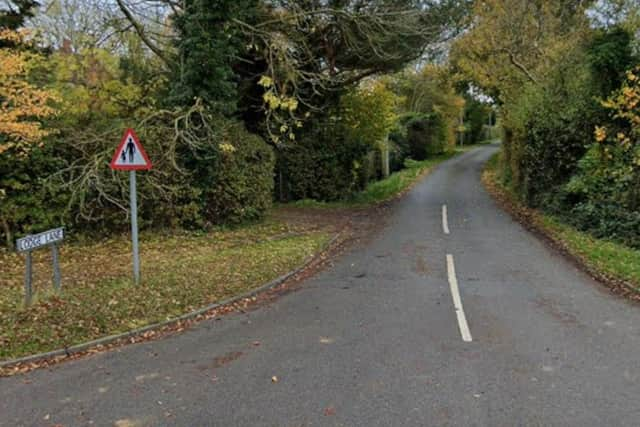
Applicant William Tidd had applied to East Lindsey District Council (ELDC) for permission for the change of use of an existing agricultural building into a dog breeding business at Longlands Farm, Lodge Lane, Minting.
Dogs and kennels were currently set up in the agricultural building and a dog breeding business has been operating from the site since 2022.
Mr Tidd sought retrospective permission from ELDC to ‘regularise’ the dog breeding business at the site.

Under the plans, there would be a total of 14 pens (including whelping pens). Outdoor runs were also proposed, as well as a dog exercise area.
ELDC originally refused the application in September 2025 following animal welfare concerns.
Council officers had recommended that the application could be approved with conditions at the meeting last September, but councillors decided to object to the proposal, which had attracted objections from 74 people.
The applicant appealed this ruling and a planning inspector made a site visit on April 21. A report on the Planning Inspectorate’s findings was published on May 19 in which they granted planning permission, subject to conditions which they believed would enable the scheme to go ahead if the rules were followed and systems put in place to lessen the noise impact on neighbours and welfare concerns. The inspector imposed conditions requiring details of the ventilation systems, noise mitigation measures relating to the outside exercise areas, a noise management plan and a waste management plan, together with a timescale for their submission. They also required close-boarded fencing, a barrier between the external run and exercise areas, close-fitting pop-hole flaps, and insulation of the building.
All doors and windows of the dog breeding business must be non-opening double-glazed units and doors fitted with self-closing devices to minimise noise.
The number of adult dogs kept on the premises for breeding must not exceed 16 at any one time. A maximum of 30 dogs shall be kept on the premises, including pets, retired dogs, the adult males, breeding bitches, bitches/dogs not yet at breeding age and puppies, or less according to an Animal Welfare License.
The number of dogs using the external area is restricted to ten and only outside between 8am and 6pm, while visitors are limited to one customer or family at any one time by appointment only.
They stated: "The conditions referred to, other than that specifying the approved plans, are imposed to safeguard the living conditions of neighbouring occupiers, and the requirement for a waste management plan is also imposed in the interests of environmental protection."