
Officials vow to improve the reliability and frequency of public transport in rural areas
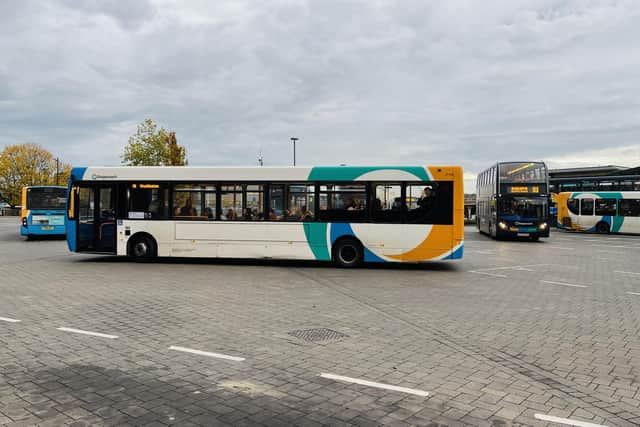
Leading councillors have vowed to improve the reliability and frequency of public transport in rural areas.
Members of the Greater Lincolnshire Combined County Authority’s transport board (GLCCA) were told that the Rural Transport Group has held its first meeting with ministers and transport bosses to address the challenges in the county.
The working group is chaired by the Greater Lincolnshire Mayor Dame Andrea Jenkyns (Reform UK) and involves local bus and train operators as well as government officials.
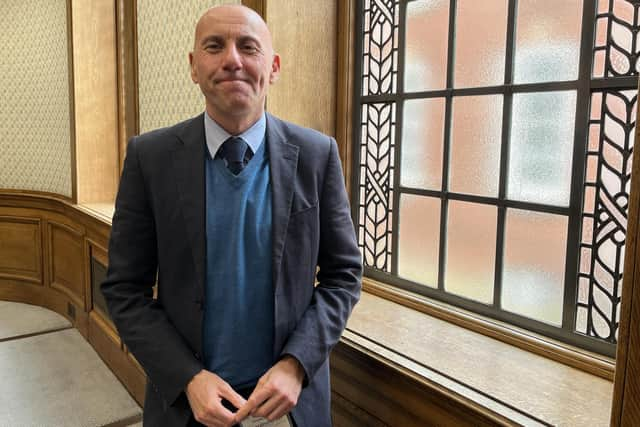
At a meeting on Wednesday April 1, North Lincolnshire Council leader Rob Waltham (Conservative – Brigg and Wolds), backed the plans to improve public transport across the county but called on the GLCCA not to miss the need to improve access to the ‘night time economy’ for younger people.

He added: “I think just in terms of establishing some of those priorities, I think for a start it doesn’t feel too ambitious to have use in rural areas during the day to access medical healthcare, employment opportunities and all those sorts of things.
“I also think we should be reasonably ambitious and talk about the evening economy as well.
“Because a lot of people in rural areas, particularly younger people, are not able to access employment – and a lot of those jobs for younger people are in evenings, so it’s important to make sure they’re very much connected.
“I think fundamentally, in terms of those options, we’ve got to think very people-focused – older people attending appointments, people accessing work and training and then also opportunities to connect for young people in that space.”
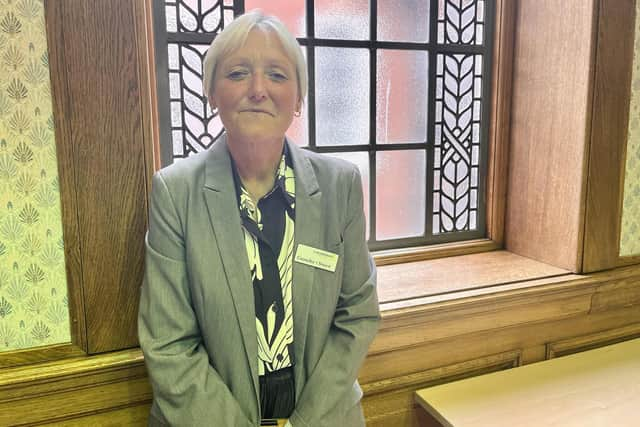
South Kesteven District Council leader Ashley Baxter (Independent – Market and West Deeping) was also supportive of the plans.
He said: “I think it’s really good for Lincolnshire that we’ve got the opportunity to lead this national body on rural transport.
“It puts us in the driving seat – so to speak – whatever we’re driving.”
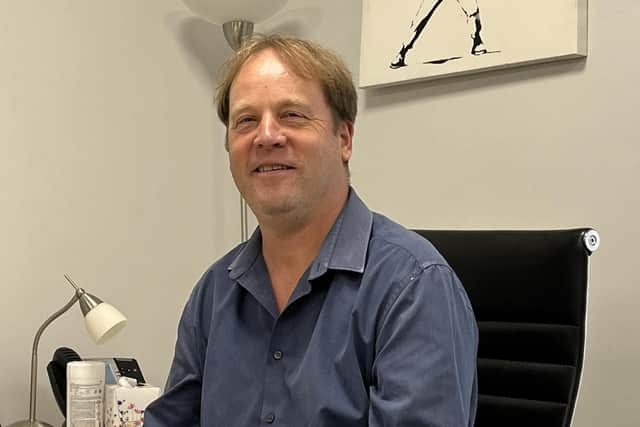
After the meeting, deputy mayor of Greater Lincolnshire, Ingrid Sheard (Reform UK) spoke to the Local Democracy Reporting Service about the rural transport group.
She said the process had been encouraging, adding: “We’ve had lots of data collection, lots of information and, going forward, we will advance the boards and bring together the key stakeholders to ensure that the voices of residents within the areas are heard to best formulate a plan going forward.”
Coun Sheard outlined some of the issues which the group will be looking at.
She said: “There’s actually connectivity, there’s frequency, there’s times of day – so the night-time economy in a vast amount of areas, is being overlooked.
“People can’t go out in an evening, go out for a nice meal, go out and have a drink because they can’t get transport home. So those are the main issues.”
She added that the group’s “next steps” are to gather more information from residents and councillors about the difficulties which they’re facing in accessing public transport and consider how the group can “facilitate” improvements.
The first rural transport group meeting was held on January 15 this year in Westminster where officials discussed issues including the lack of connectivity, frequency and reliability of public transport in the county.