
Tanks R Us on the eco shift driving change in tank industry
A North Lincolnshire tanks company says a growing focus on sustainability is changing how storage tanks are designed and used across farming, construction and domestic settings.
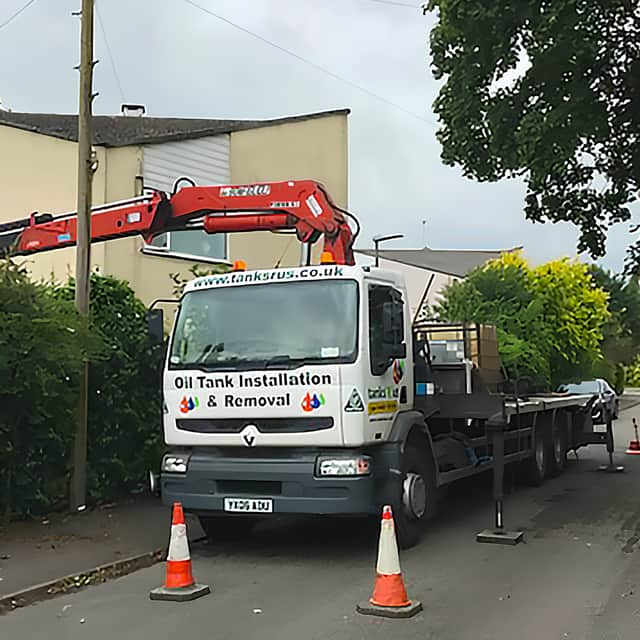

Based in Thornton Curtis, Tanks R Us says there is a growing development in systems that reduce environmental impact across their full lifecycle, from production through to use and eventual recycling.
Jack Dunn, IT Manager at Tanks R Us, said sustainability is now a major factor in how storage systems are developed.
“Sustainability is no longer a niche priority. It is a central requirement across construction, agriculture, manufacturing, wastewater management, and domestic storage,” he said. “As organisations look to reduce environmental impact without compromising performance, modern plastic tanks have become a critical part of the shift towards greener infrastructure.”
Modern plastic tanks are made from materials such as polyethylene, which are designed to last for many years and resist rust, sunlight damage and chemical exposure.
Tanks R Us says this longer lifespan reduces the need for replacement, helping to cut waste over time. Dunn said manufacturing methods have also improved in efficiency and environmental impact.
“The first step in designing a sustainable tank lies in the choice of material. High-grade polyethylene and other advanced polymers offer a lifespan that can exceed several decades, with minimal degradation,” he said. “Compared with steel or concrete, plastic tanks demand significantly less energy during manufacturing, transport, and installation.”
Plastic tanks are also lighter than traditional alternatives, which reduces fuel use during transport and makes installation easier. Tanks R Us mentioned this is especially important in rural Lincolnshire areas where transport distances can be greater.
Modern tank designs also reduce the risk of leaks and spills through stronger construction and improved fittings, helping protect soil and water. Tanks R Us says plastic tanks are now widely used for rainwater harvesting, fuel storage, agricultural use and wastewater systems, supporting more efficient use of resources.
Dunn said sustainability also extends to production and waste reduction.
“Modern rotational moulding and other advanced fabrication methods allow manufacturers to create robust, seamless tanks with very little waste material.”
He added that recyclability is becoming more important in design.
“As sustainability standards rise, manufacturers are paying close attention to what happens when a tank reaches the end of its functional life,” he said. “Modern tanks are increasingly designed with recyclability in mind.”