
Volunteers required to help Sutton-on-Sea sight loss support group
Volunteers are needed to help run a leading sight loss charity support group, which helps people affected by macular disease in the Sutton-on-Sea area.
The Macular Society Sutton-on-Sea Support Group gets together on the last Wednesday of each month, 10.30am-12pm at the Methodist Church Hall, Alford Road, LN12 2HN.
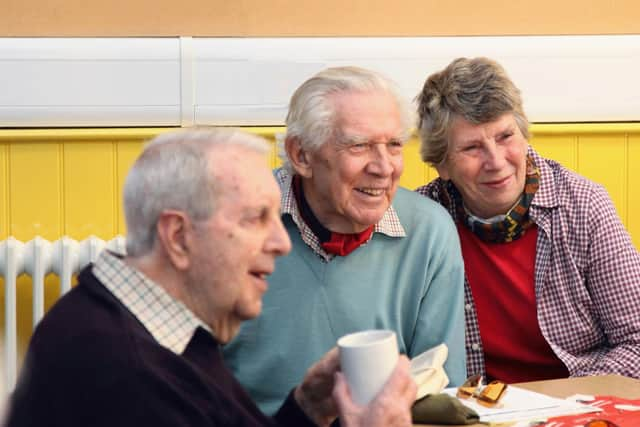

The Lincolnshire-based group, overseen by sight loss charity the Macular Society, is welcome to everyone, be that new or existing members, those newly diagnosed with macular disease, their family, friends and carers.
Volunteers help to run and co-ordinate the group meetings.
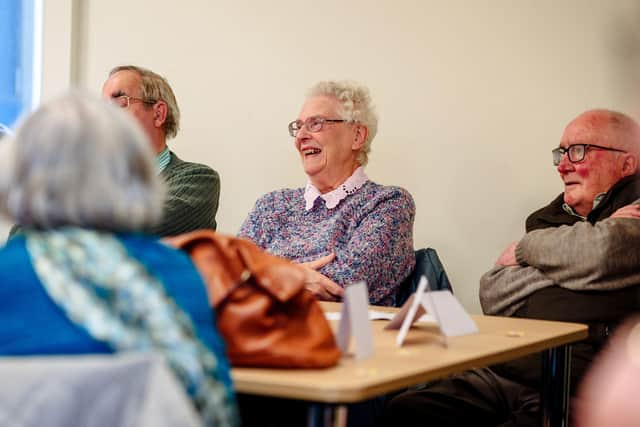
Closing in on nearly 20 years as a volunteer, Sutton-on-Sea group leader Gill Cross, from Mablethorpe, said: “I was looking for something to do and I’ve enjoyed it so much,” having retired from a varied career which included sales and advertising.
She continued: “I’ve learnt a lot of things about what to do and what not to do with someone who is blind, all sorts of things, and it’s been great fun. I just love helping people, and giving something back.”
Volunteer and group support manager at the Macular Society, Lucinda Hardy, said: “The difference that our volunteers make to the lives of many macular disease patients is really beyond measure. Training is provided, and expenses are covered. So, if you have some free time and would be willing to help out, we would love to hear from you.
“We know the peer support can be so helpful and our groups can really help people increase in confidence and become more independent.”
Along with the loss of central vision, macular disease is a currently incurable disease that has a devastating impact on other aspects of people’s physical and mental wellbeing. People often liken the loss of their sight to bereavement - it steals their independence, and their ability to see the faces of their loved ones, adding to their social isolation and feelings of loneliness.
Nearly 1.5 million people are currently affected and many more are at risk. The disease can have a devastating effect on people’s lives, leaving them unable to drive, read or see faces. There is still no cure and most types of the disease are not treatable. Age-related macular degeneration (AMD) is the most common form of macular disease, affecting more than 700,000 people, usually over the age of 50.
If you would like to become a volunteer, please contact Lucinda Hardy on 01264 560 259 or email: [email protected]
For more information about the other services available from the Macular Society please call 0300 3030 111 or email [email protected]