
Rare birds continue to flock to Belvoir Farm as part of conservation project
A major habitat creation and stewardship project is continuing to encourage the long-term habitat for species of rare birds including the Cuckoo and Grey Partridge at Belvoir Farm.
The Game & Wildlife Conservation Trust’s Big Farmland Bird Count, initiated in 2014, aims to raise awareness at farms across the UK and create healthier habitats for declining wild bird species. Belvoir Farm, the premium drinks maker based in Bottesford, joined the initiative in 2022 and has been conducting bird counts every February since then. The Trust’s campaign involves over 1,500 farmers who have identified around 130 species across more than 1.5 million acres in the UK.
Conducted by Belvoir Farm’s farm manager Keith Challen and Bill Glancy, a local ornithologist, the bird count included Yellow Hammer, Dunnock, Red Kites, Chaffinches as well as more common birds such as Robins Great Tits and Blackbirds and Carrion Crows. Several other birds were also spotted during year at Belvoir Farm with the increased appearance of Grey Partridge breeding pairs (which is on the endangered list), Willow Warbler and Cuckoo particular highlights.
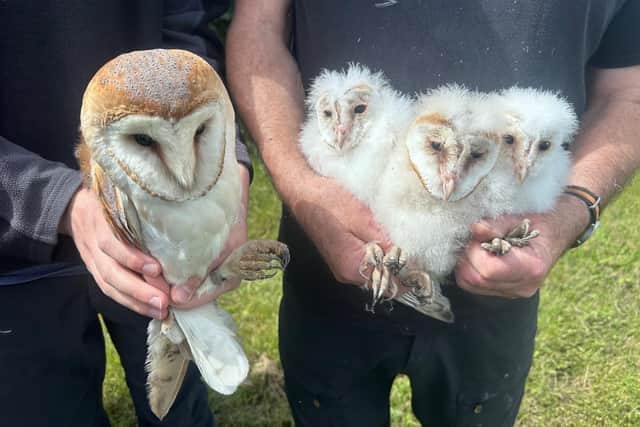
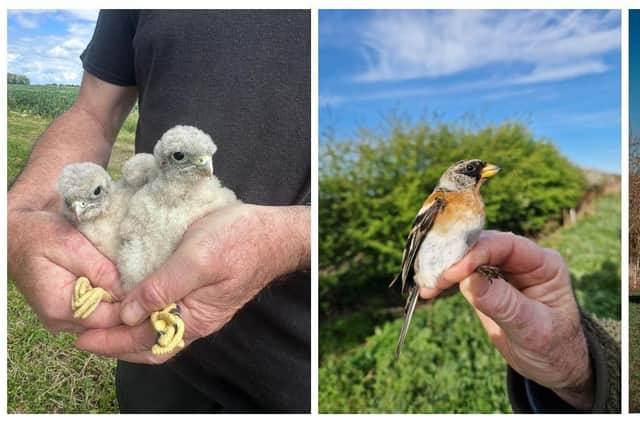
The count is part of an ongoing scheme by the farm to encourage bird life, through winter ground feeding programmes. Earlier this year, the team also worked with the South Notts Ringing Group, monitoring and recording for the British Trust for Ornithology Barn Owls, Kestrels, Bullfinches and migrating rare birds such as Male Bramblings and Short Eared Owls (from Northern Europe).
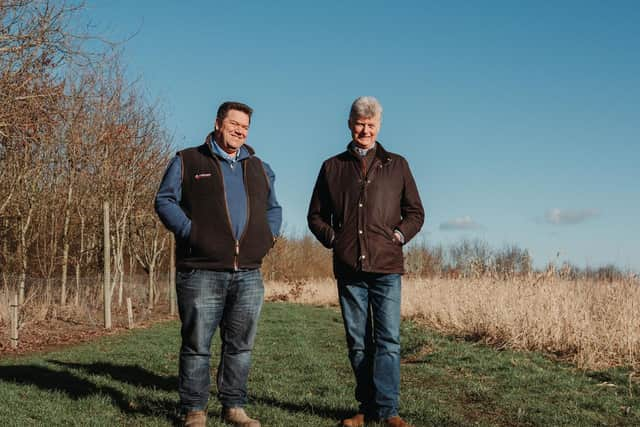

For almost 40 years Belvoir Farm has created premium cordials and sparkling drinks on its family farm, all born from working closely with nature, respecting the countryside, and supporting sustainable farming. Through taking a nature friendly farming approach Keith, who manages the 2800acre farm on the Lincolnshire and Leicestershire border, has delicately balanced delivering for nature and maintaining a sustainable farm business. Each year the team have a programme of providing tracks of feed on the ground, with different types and size of seed provided to attract a wide variety of size of birds. This is particularly important in a cold winter such as this year, as it provide much needed sustenance.
Keith commented, “It’s great to see that our ongoing bird conservation programme has continued to be successful and, in many cases, we’ve observed more of the rare species, particularly the Cuckoo and Grey Partridge. The project has helped provide habitat-friendly areas for so many different species of bird and the results have also allowed for more scattered grazing for deer and hares. We have a good variation of habitat on the farm, particularly soft fruit trees, which provides great feed for lovely birds such as Male Bullfinches.”
“Small-scale conservation initiatives such as cut and lay hedges, rainwater harvesting and creating flower rich margins, wildlife corridors and grass buffers make such a positive difference to the environment, which all links into the bigger picture of conserving farmland bird species.”
Dr Roger Draycott, GWCT Head of Advisory, who runs the Big Farmland Bird Count, said, “We would like to thank everyone who took part, for demonstrating that farmers and land managers can lead the way in protecting our countryside alongside effective food production.
“Every count submitted helps us to build a detailed, national picture of the state of Britain’s farmland birds, allowing us to better understand what is really going on in our countryside. It clearly shows that farmers, land managers and gamekeepers care for the land they work and, given that they look after 71% of all the land in the UK, that is extremely good news for the future of our treasured bird species."
Belvoir Farm and sustainability
Belvoir Farm is part of the Countryside Stewardship scheme, meaning they actively balance sustainable, profitable and modern farming with conservation and natural habitat conservation. Key initiatives that Belvoir Farm has created to amplify and nurture the wild bird habitat on the farm include:
· Sewn 400 acres with 800 tons of human consumption beans to encourage pollinators
· Sewn 200 acres 600 tons malting barley, 15,000 pints of beer
· 60acres organic elders planted over 40yrs
· 40 acres of coppice willow have been planted since 2008
· Eight acres of woodland have been created with over 2500 trees
· 28 acres of flower rich margins for butterflies and pollinators have been created
· 3 beehives
· Rotational hedge pruning throughout the year
· 57 acres of winter bird food sites
· 10 tons of winter bird food
· 50 small bird feeders
· 13 acres of grass buffers and field margins created
· 5 acres of oil rich winter bird food
· Rainwater harvesting throughout our farming
Belvoir Farm Elderflower Harvest
In May and June (weather dependent), visitors to Belvoir Farm at Bottesford will have the opportunity to pick elderflower for cash.