
Local MP welcomes milestone in campaign for University of Lincoln Dental School

Victoria Atkins, MP for Louth and Horncastle, has welcomed significant progress in the campaign to establish a dental school at the University of Lincoln, following confirmation that the General Dental Council (GDC) has approved the University's new BSc Dental Hygiene and Therapy programme.
The programme will begin recruiting students for a September 2026 intake and represents a major step towards the university's long-term ambition of creating a full dental school to help tackle ongoing dental workforce shortages across Lincolnshire and the wider East Midlands.
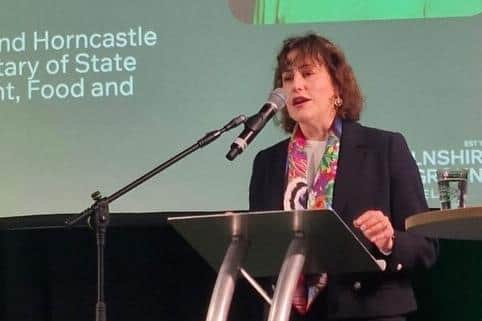

Commenting on the announcement, Ms Atkins said: “This is fantastic news for Lincolnshire and an important milestone in the journey towards establishing a full Dental School at the University of Lincoln.
“Far too many people across our county struggle to access NHS dental care. This is why as (former) Health Secretary I put rural and coastal areas at the heart of the Dental Recovery Plan.
“We know that workforce shortages are a key part of the challenge. Training more dental professionals locally will help create a sustainable pipeline of skilled clinicians and improve access to care for patients in the years ahead.
“I am proud to support the University's Strong Roots campaign and congratulate everyone involved in securing this important approval from the GDC.”
Ms Atkins recently visited the University's Dental Desserts campaign bus, which toured communities across Lincolnshire, including Skegness, Sutton-on-Sea, Cleethorpes, Louth and the Lincolnshire Show, before arriving in Westminster. The campaign has engaged thousands of residents and highlighted the urgent need to strengthen dental services in the region.
More than 8,000 people are estimated to have signed the Dental Desserts campaign van during the tour, demonstrating strong public backing for the proposal and helping to raise awareness of the dental access challenges facing local communities.
Ms Atkins added: “The strength of public support shown throughout this campaign is remarkable. Residents across Lincolnshire understand the scale of the problem and the need for long-term solutions.
“I will continue working with the University of Lincoln and colleagues in Parliament to make the case for further investment and support that will help bring a full Dental School to our county.”
Meanwhile NHS Lincolnshire Integrated Care Board announced that more than £3 million will be invested to provide around 29,000 additional NHS dental appointments each year across Lincoln, Boston and Skegness.
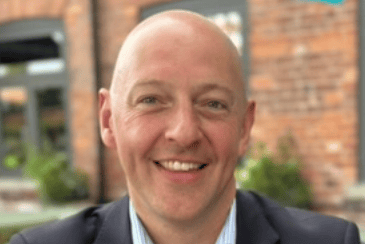
Dr Richard Moore, Vice Dean of Dentistry at the university’s Lincoln Medical School welcomed the move.
He said: “For patients and families across Lincolnshire, access to NHS dentistry has become one of the most pressing health challenges of our time. Too many people have struggled to find a dentist, waited too long for care, or gone without the routine treatment and prevention that good oral health depends on. This investment is therefore an important and positive step.
“It recognises the scale of the challenge. It also recognises something communities across our county know well: oral health is a far reaching issue. It affects confidence, nutrition, children’s development, employment, wider health and overall wellbeing. When people cannot access dental care, the consequences are felt far beyond the dental chair.
“The additional appointments announced by the ICB will help meet immediate need in parts of the county where that need is especially acute. As someone who is soon to join the University of Lincoln as Vice Dean of Dentistry, I warmly welcome that commitment from NHS colleagues and partners.”
However, he said more appointments, while essential, cannot solve the deeper and longer-term challenge facing dentistry in Lincolnshire.
He said that Lincolnshire has some of the most significant dental access challenges in the country, particularly across rural and coastal communities. “The reasons are complex, but a shortage of dental professionals is central to the problem. Without enough dentists, dental therapists, hygienists, dental nurses and wider oral healthcare professionals, access will remain fragile.
“That is why we need to think not only about how we increase capacity now, but how we build the dental workforce of tomorrow.”
He added: “The evidence from healthcare education is clear: professionals are more likely to live and work in the places where they train. If we want more dental professionals serving Lincolnshire communities, then we need to create more opportunities for people to train here, build careers here, and put down roots here.
“This is the principle that underpins the University of Lincoln’s ambition for a dental school in the county.”
He said a dental school would create a “sustainable workforce pipeline” for NHS dentistry across Lincolnshire and the wider East Midlands. It would provide opportunities for young people and career changers, support local dental practices and NHS partners, strengthen research and innovation, stimulate economic growth, and contribute significantly to reducing health inequalities across our region.
But Dr Moore went on: “We need additional NHS appointments now, and we need the long-term workforce solution that will make improved access sustainable.
“Lincoln Medical School was established to help address the shortage of doctors across Lincolnshire and the East Midlands. We now have an opportunity to bring that same ambition, partnership and determination to dentistry.”