
The near-complete skeleton of the miniature breed was unearthed in Partney, Spilsby, by Wessex Archaeology as part of their work along the Viking Link route where a 475-mile electricity interconnector will be laid.
The find represents what is thought to be an extremely rare example of a small breed being kept solely as a companion pet. A “very early” discovery Wessex Archaeology notes, which was somewhat “incongruous in the tough world of ancient Britain".
While much earlier dog remains have been unearthed in Britain, these examples were larger dogs likely kept for working.
The remains, believed to be from a dog the size of a young Maltese, were found a field near Partney – in an area with a long history of rural agriculture.
The field, known as ‘Partney Leys’, was among 50 sites investigated along the Viking Link route from Sandilands in the north, to Bicker in the south – with a significant discoveries made at a number of them.
Among the finds were 32 Anglo-Saxon graves, gold and silver jewellery, pottery and weapons – all providing evidence of human activity from the Mesolithic era (10,000-3000BC) to the modern period.
The dog remains have been radiocarbon dated to the Late Iron Age to early Romano-British era, around 40BC to 60AD. A comb made from an antler was also discovered nearby.
Lorrain Higbee, principal zooarchaeologist at Wessex Archaeology said: “This tiny animal from Partney in Lincolnshire offers a rare glimpse of a bond that today’s dog lovers will instantly recognise. It shows that from as early as 2,000 years ago, people in Britain were keeping dogs for companionship rather than just as working animals.
"While we cannot identify the dog with any modern breed, its size and skeletal form indicate it was a house pet that wouldn’t have survived without human care — a very unusual find in a rural setting of this date.”
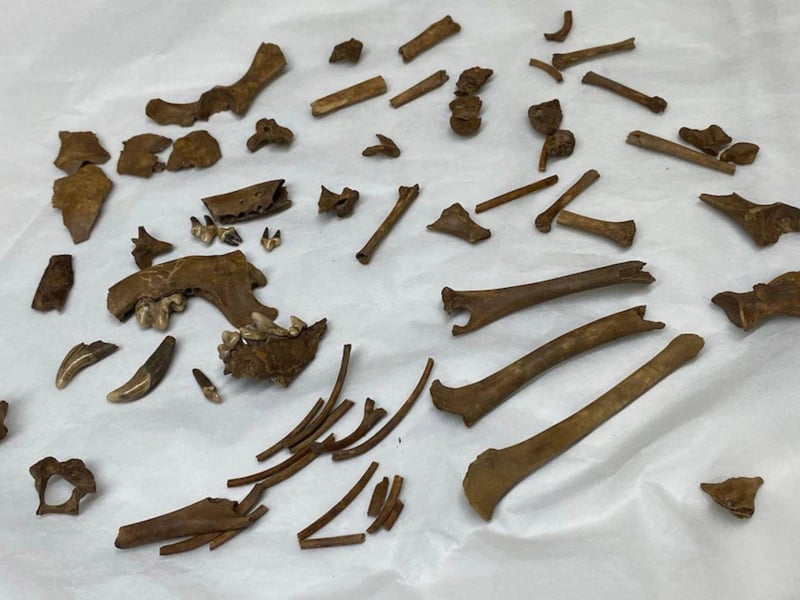
1. Canine Bones
The "very unusual" skeletal remains of the small 'lap dog'. Photo: Wessex Archaeology
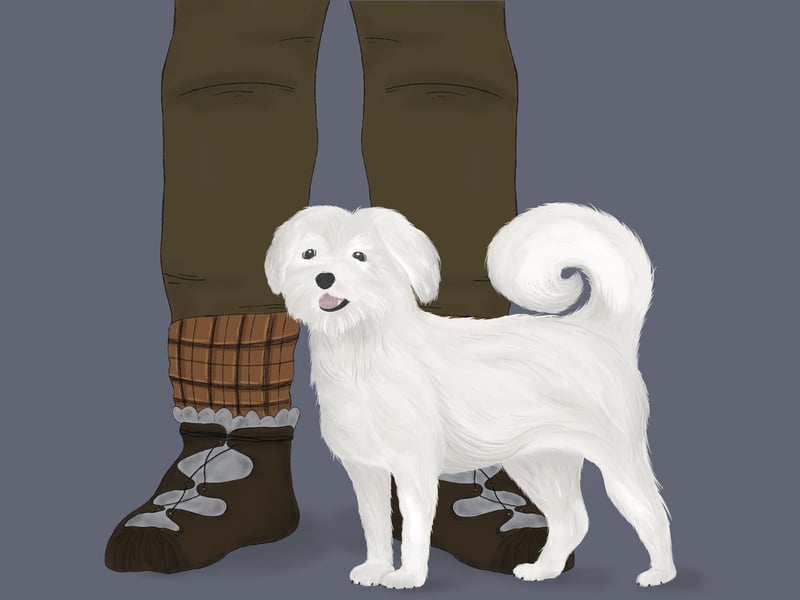
2. Artist's Impression
An artist's impression of how the 'lap dog' would have looked 2,000 years ago. Credit: Marijane Porter, Wessex Archaeology Photo: credit: Marijane Porter, Wessex Archaeology