
Grim discovery made during routine chimney sweep in Lincolnshire
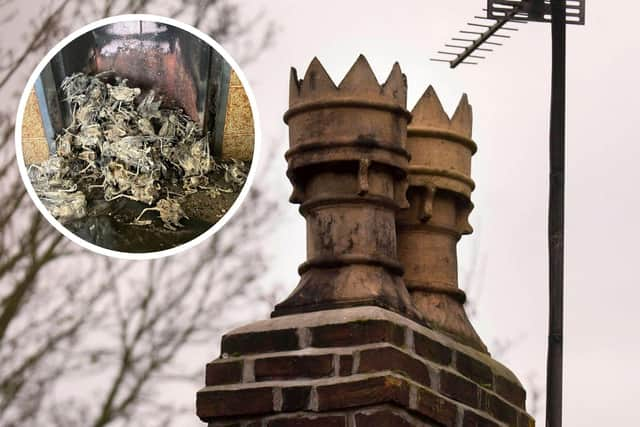
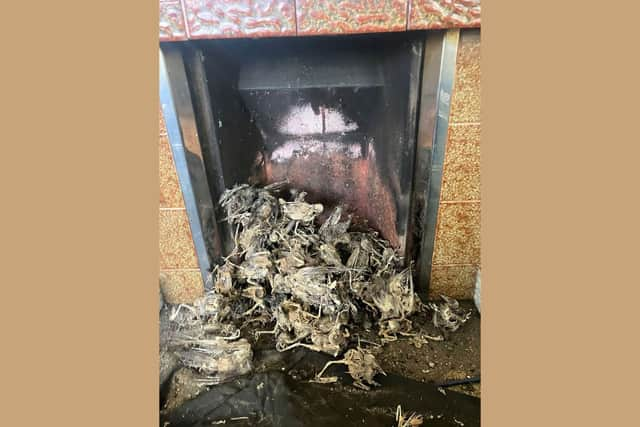
A Lincolnshire chimney sweep made a grim discovery when dozens of tiny skeletons tumbled out of a fireplace near Boston.
Spilsby-based Soot Monkeys were called out to a routine sweep of a chimney in Gipsey Bridge when the macabre nest of bones was found.
The skeletons, thought to be starlings, were pulled down along with soot and other debris.
"It was more of a unblocking operation than a sweep,” said a spokesperson for the firm. “Two pillows and over a 100 starling skeletons bunging the chimney up.

"I’ve not pulled this amount of birds from a chimney before. But it gets weirder yet, I’ve also had a lady message me on Facebook, asking to come and fetch them out the skip!”
Speaking about the busy period as people prepare for winter, he went on: “There have been loads of birds in chimneys this year, perhaps from people not using stoves due to hot weather.”
To avoid birds nesting or debris becoming trapped inside chimneys, the recommendation is to fit a chimney cowl – which is a hood or cover used to prevent things from getting inside the chimney breast.
“’Cowls save lives’ could be my new sales catch phase,” he adds.
Lincolnshire Fire and Rescue encourages residents to take steps in early autumn to ensure their chimneys, log burners and gas fires are safe to use ahead of the winter months.
Every year, fire services attend incidents caused by chimneys that have become blocked by debris, bird nests or built-up soot, and poorly maintained gas appliances can pose significant risks if they are not operating correctly.
They advice residents to:
• Have chimneys swept regularly by a qualified chimney sweep.
• Ensure gas fires and appliances are serviced annually by a Gas Safe registered engineer.
• Check that carbon monoxide alarms are installed and tested regularly.
• Ensure smoke alarms are fitted on every level of the home and tested monthly.
• Look out for signs of damage to chimneys, flues and vents before lighting fires for the first time this season.
• Never burn unsuitable materials that can increase the risk of chimney fires.
Dave Lynch, Area Manager for Prevention and Protection at Lincolnshire Fire and Rescue, said: "Taking action now can significantly reduce the likelihood of an incident when you start to need your heating or firesides.”