
'Staff are trained to manage and reduce risks': More than 150 Lincolnshire firefighters injured over three years
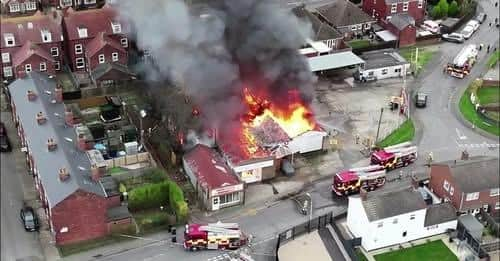
Newly released data has highlighted the physical risks faced by frontline firefighters in Lincolnshire, with figures revealing that more than 150 staff were injured while carrying out their duties over the past three years.
Lincolnshire Fire and Rescue has stressed the service takes a proactive approach to safety – and that most injuries are minor and do not take place at incidents.
However, Accident Claims Advice says recent figures indicate a sharp rise of injuries, increasing to 62 over the last year, and highlighting the ongoing risks faced by crews.
Firefighting is among the most demanding roles in the public sector. Crews regularly operate in dangerous conditions, attending building fires, serious road traffic collisions, and hazardous material incidents. These environments often involve extreme heat, heavy equipment, unstable structures, and exposure to traumatic events.

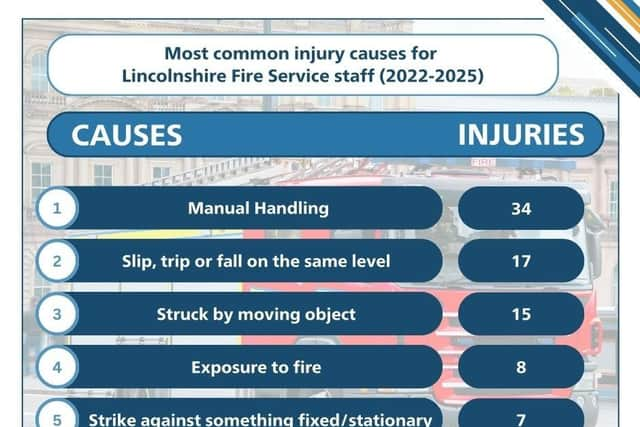
According to Accident Claims Advice, the most common causes of injury include manual handling (34 incidents), slips, trips and falls (17), burns, smoke inhalation, musculoskeletal damage, and impact injuries from collapsing structures or falling debris.
In Lincolnshire, 2023/24 saw 37 firefighters injured at work — the lowest annual total over the three-year period. However, more recent figures show injuries increasing to 62 over the last year, highlighting the ongoing risks faced by crews.
Adam Taylor, Fire Brigades Union national officer, said: "Too often firefighters are not being provided with the basic equipment and training they need to keep themselves and the public safe.
Without proper PPE, firefighters face an impossible choice between heat stroke and exposing themselves to burns, either from flames or the sun. We urgently need investment, national standards on equipment and training, and proper crewing levels."

A spokesperson for Lincolnshire Fire & Rescue Service said: "Staff are trained to manage and reduce risks whether conducting training, day-to-day activities, or responding to emergencies.
"Accidents are often minor thanks to this training and the procedures we follow.
"Accidents can occur across the variety of activities firefighters undertake as part of their role, but thankfully due to the training they receive, and the procedures in place, these are often minor accidents.
"However, following any accident the service captures and shares the learning to try and prevent accidents from happening again".
National figures illustrate this is not unique to Lincolnshire. Across England, 2,408 on-duty firefighter injuries were recorded in the year ending March 2024, with around 40% occurring during operational incidents such as fires, rescues, and emergency responses.