
What are ER signs and what do they mean?
There are many signs along our roads – but not everyone knows what ER signs are, or what they stand for.
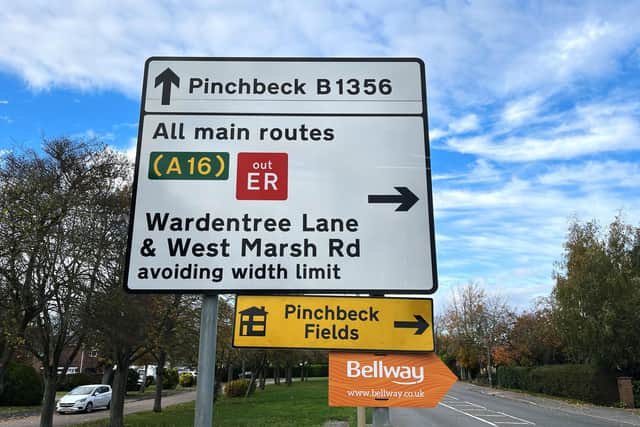
Evacuation Route (ER) signs show the route that people should take to safely self-evacuate in extreme events like flooding.
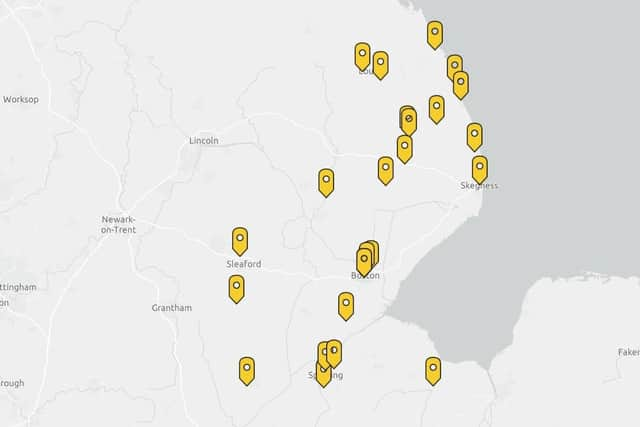
There are 13 evacuation routes across Lincolnshire, which are signposted by these so-called ER signs.
Mark Baxter chairs the Lincolnshire Resilience Forum and explained that the signs are becoming even more important.

He said: “Clearly we’re seeing a trend of weather-related events that are growing and are changing the landscape with regards to the risk that we’re having to deal with.
“These were designed and developed purely on the backdrop of our flood risk.
“They are emergency routes and what I would say is that if there was any other type of event where we needed to have mass evacuation of certain areas, this is just one tool in our armour to be able to support the evacuations of large amounts of people.”
The signs were installed in 2015 following the 2013 floods which devastated more than 800 properties across Lincolnshire.
They cost about £100,000 to be put in and were funded by the Department for Environment, Food and Rural Affairs (DEFRA).
Mr Baxter, who is also chief fire officer for Lincolnshire Fire and Rescue, explained that many of the signs are concentrated around Boston and South Holland because there are “higher risk flood areas”, with Boston being one of the most severely affected areas during the 2013 floods.
He explained that the ‘out ER’ symbol represents the route that people should take to get away from the danger and get to higher ground.
Mr Baxter believes it is critical that people understand what these signs mean so they are able to protect themselves in extreme weather events.

He added: “We are raising the awareness and understanding of these signs across the county, because fortunately, we’ve not had to enact any of these emergency plans, but it is something that we do want our residents to understand why they are there and what they could be used for if we ever needed to enact them.”