
Huge wetland nature reserve opens at Sandilands after six-year restoration project
The eagerly-awaited wetland nature reserve at Sandilands, Sutton on Sea has officially opened, creating a huge habitat for birds and other wildlife.
The coastal site, which spans 74 acres or 30 hectares, has been transformed from a golf course in an ambitious six-year restoration project, led by the National Trust.
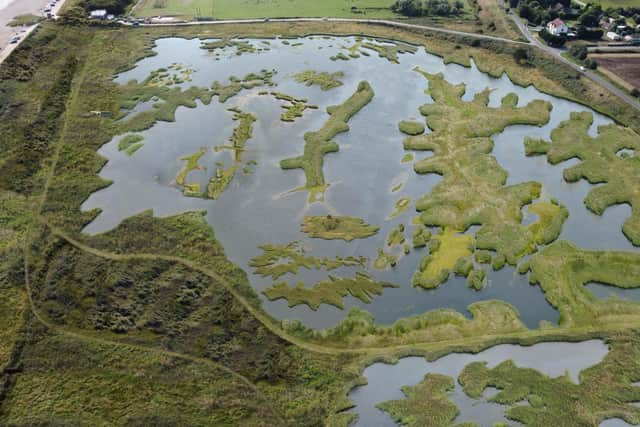
Now a landscape once dominated by fairways and greens has been turned into a mosaic of wetlands, grassland and coastal scrub designed to help both wildlife and nature flourish.
The reserve, which is the size of 42 football pitches, will support a host of bird species, including lapwing, snipe, terns and gulls, while providing a vital stopover point for migratory birds such as black-tailed godwit, spotted redshank and spoonbill.
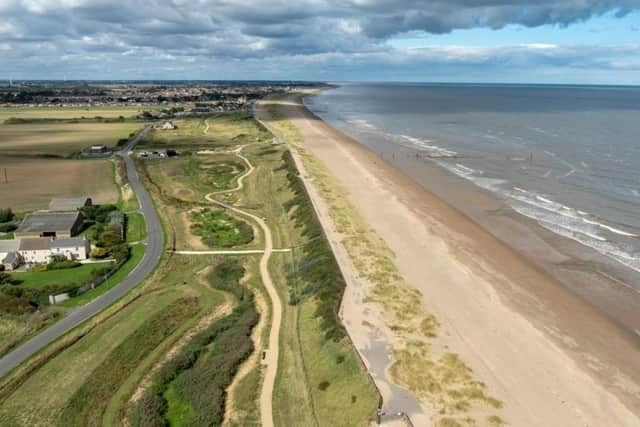

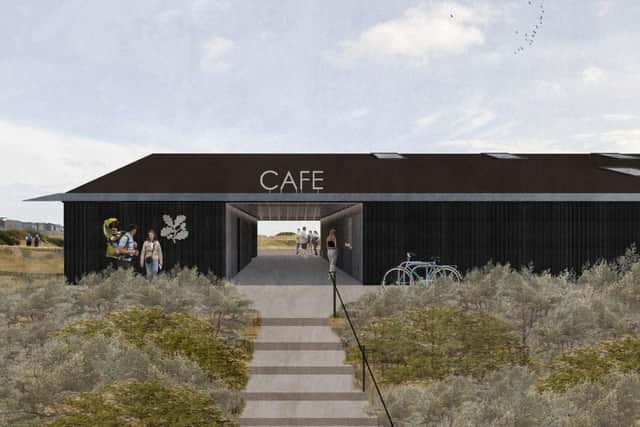
What’s more, National Trust Sandilands, will also be an important destination for visitors and wildlife enthusiasts, with the reserve featuring wheelchair-accessible boardwalks, footpaths, trails, a cafe, car park and community spaces.
Katie Scott, area ranger for the reserve, said: “Seeing the site evolve from a golf course into a fully-fledged nature reserve has been very exciting.
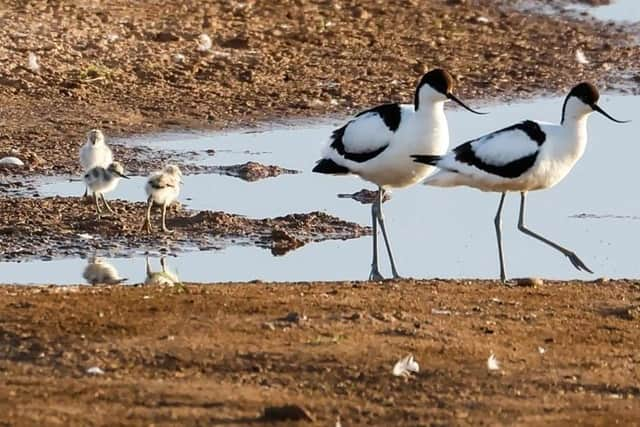
"Even before the project was completed, nature had begun to return. This year, avocets and oystercatchers successfully nested and bred here, while little ringed plover chicks were recorded for the second successive year.
"Many of the species we’ll see at Sandilands are endangered or rare. They will have travelled thousands of miles on their extraordinary migrations and depend on places like this to rest, feed and breed.
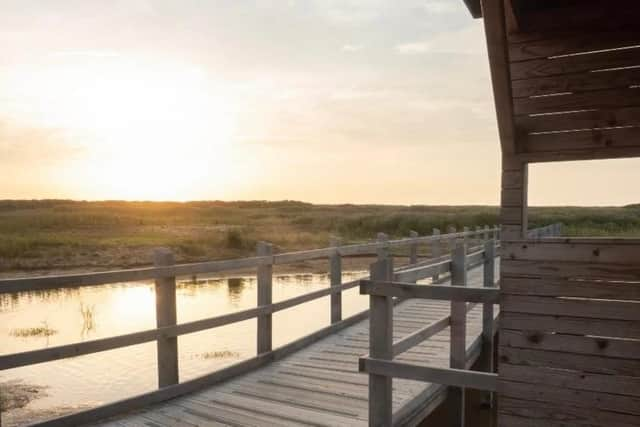
"Creating this new area of wetland to form part of the Lincolnshire coast will further extend the safe refuges for these birds to recharge and refuel each year, ensuring they can survive and thrive.”
Sandilands sits within the Lincolnshire Coastal Country Park and forms part of the internationally important East Coast Flyway, one of Europe's major migration routes.
Every year, thousands of birds travel along the UK's east coast between the Arctic and northern European breeding grounds and wintering areas further south.
The National Trust, a conservation charity, first acquired the two-kilometre stretch of coastline in March 2020, thanks to a donation from a generous supporter and funding from the trust's Neptune Coastline Campaign.
The transformation has been supported by £2 million of Mablethorpe Towns Fund investment through the Connected Coast initiative, £1.5 million from National Highways and £200,000 from the government’s Shared Prosperity Fund, delivered by East Lindsey District Council, with further help from local partners, community groups and volunteers.
The project has also created a valuable addition to the wider Lincolnshire Coastal Country Park, which covers 8,649 acres, including a five-mile stretch of coastline extending from Chapel Point to Sandilands.
Together, the network of habitats, including beaches, dunes, grazing marshes, saltmarsh, coastal lagoons and reedbeds, provide an increasingly important refuge for wildlife in the face of climate and environmental pressures.
Work to transform the former golf course included moving nearly 52,000 cubic metres of earth, which is enough to fill 21 Olympic-sized swimming pools!
More than 35,000 native coastal shrubs, including sea buckthorn, gorse, goats willow and blackthorn, have been planted, while green hay, sourced from a nearby Lincolnshire Wildlife Trust reserve, has been spread to establish species of rich grassland, including wild carrot, yarrow, yellow rattle and red clover.
Nicola Craven, coast and countryside manager for the Lincolnshire coast at the National Trust, said: “We were very mindful of bird-breeding patterns and migratory cycles, so the work was very stop-start to avoid any disturbance during their vital nesting season.
"We have also faced various challenges over the past couple of years due to the droughts and record-breaking heat. However, now the work is complete, we look forward to the wetlands really starting to transform over the winter.
“Our ambition is for this site to continue its natural recovery over the next decade, creating richer habitats, supporting more species and offering greater opportunities for people to connect with nature close to where they live.”
Ryan Stamp is one of the ranger volunteers at Sandilands and he helped with some of the native shrub-planting, as well as other tasks.
He commented: “Coming back week after week and seeing Sandilands’ progression towards a truly thriving wetland, teeming with plants, insects and birds I’ve never seen before, and knowing I played a minor role in that transformation, has been really rewarding.
“It’s a powerful reminder of nature’s resilience and what can be achieved when people come together to restore special places.”
Visitors to Sandilands will be able to experience the changing rhythms of nature throughout the year.
In summer, the wetlands will come alive with dragonflies, bees and butterflies, while the distinctive calls of avocets echo overhead.
In winter, the reserve will offer opportunities to witness the arrival of whooper swans, wigeons and brent geese escaping the colder conditions in their Icelandic and Norwegian breeding grounds to spend the colder months on the Lincolnshire coast.
As well as creating space for wildlife, Sandilands has been designed to be accessible for visitors of all ages and abilities to enjoy the wellbeing benefits of spending time outdoors and connecting with wildlife.
Chris Baron, the chairman of Connected Coast, said: “It is fantastic to see the visitor hub and café now open to offer a warm welcome to people coming to spend time in this special place for nature.
"We were keen to support this project through Towns Fund investment as not only does it offer more reasons for people to enjoy our coastline, it also provides opportunities for volunteering and employment, benefiting the local community.”
Sustainability is at the heart of the creation of Sandilands, with the visitor hub and café building constructed using a timber frame and featuring solar panels, sheep wool insulation, an air source pump and mechanical ventilation heat recovery systems, making it incredibly energy-efficient.
Summing up the whole project, Harry Bowell, the trust’s director of land and nature, said: “It reflects our ambition to create places where people and nature can thrive together.
"By improving access to green space and restoring habitats, Sandilands is an inspiring place for people to spend time and connect with the outdoors.”