
Find out why this Lincolnshire town has the second highest increase in parish council tax in England
Alford made national headlines this week after being named England’s second biggest parish tax riser – with a 64% hike this year alone.
In the past four years, the Lincolnshire town’s Band D charge has risen sharply from £131.72 per year in 2022, to £353.68 in 2026 – an increase of £221.96.
This makes it the seventh-largest rise in England for that period, according to new research by the Adam Smith Institute (ASI). The think tank is now calling for a cap on how much parish taxes can be annually increased in England, along with greater transparency and accountability at this level of government.
What is the reason for the increase, and how does Alford Town Council account for it?

The Skegness Standard contacted the town council to ask why the increase was so high.
"We recognise the increase in Alford’s precept for the 2026/2027 financial year was substantial and that residents were concerned about the impact on their household budgets,” a council spokesperson said. “We have explained why the increase was necessary and the steps the Council is taking to manage future costs.
“The Council manages a significant range of public assets. Previous administrations accepted transfers from East Lindsey District Council and Lincolnshire County Council, including four car parks, cobbled areas, the historic water fountain, a bridge, the Library building, Alford Squash Club, public toilets, the Silver Band rehearsal room and many verges and trees around the town.”
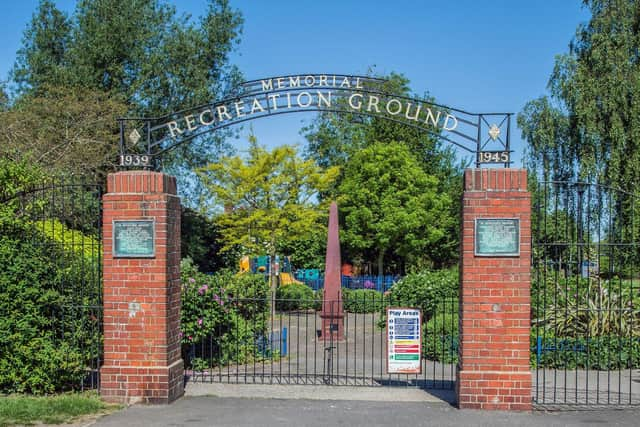
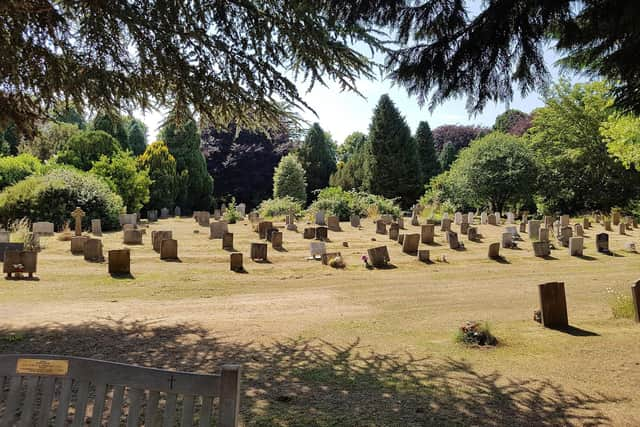
The Council also maintains Alford’s cemetery, the closed cemetery, and Alford Recreation Ground – a public park with extensive children’s play equipment, attractive landscaping and a band stand.
“In some other towns, facilities such as car parks, public toilets, parks and markets remain the responsibility of district or county councils,” the spokesperson went on. “Their running and maintenance costs therefore fall within those councils’ budgets rather than the town council’s budget. In Alford, these responsibilities sit with the Town Council and must be funded through its own budget. This difference matters when comparing Alford’s precept with those of other towns.”
The Council said its current administration inherited these responsibilities, along with “outstanding work” needed to keep the facilities “safe and available to the public”.
"The precept increase for 2026/2027 was necessary to fund this work and establish a more sustainable basis for managing the town’s assets,” they explained.
"Both the internal and external audits for 2025/2026 showed sound financial and legal management. This represents a significant improvement on the 2024/2025 audit findings, which identified areas of major concern relating to issues dating back many years.”
This year, the Council has also invested in training its maintenance staff to “reduce reliance on external contractors”, helping to control costs and avoid delays.
“We are actively seeking ways to increase income and reduce reliance on residents’ council tax,” the spokesperson reassured. “This includes introducing charges for public toilets and car parks, so those using these facilities, including visitors, contribute towards their upkeep.
"At the same time, income from the Council-run market is under pressure as stall numbers decline. Historically, market income made a substantial contribution towards keeping the precept down. Changing shopping habits, including online shopping and competition from supermarkets, have made trading increasingly difficult for market stallholders.”
The Council says it also faces pressures from increases in employer National Insurance contributions, minimum wage rates and energy costs.
“Maintaining lighting in the park, car parks and cemetery, alongside running public buildings and services, means increases in energy costs can have a significant effect on expenditure,” they added.
“As we enter the budget planning quarter for next year, we are confident that the progress achieved this year means Alford will never again need a precept increase of this scale. Through prudent cost-cutting, alternative income streams and a proactive approach to managing the Council’s assets and services, we have established a stronger financial foundation for the future.
“We accept that every pound of public money must be justified. Our priority is to protect essential local facilities, maintain them responsibly and pursue income opportunities that help limit future pressure on the precept. We remain committed to transparency and were pleased to welcome members of the public to the budget-setting meeting. This provided an opportunity to see the financial challenges and responsibilities involved in running the Council and caring for the town.”
Concluding, the spokesperson added: “Alford Town Council is proud of what it has achieved over the past year. That progress is reflected in our engagement with residents, both in person and online. We value those conversations and remain committed to listening, explaining our decisions and working for the benefit of the community we serve.”
The wider picture
ASI said parish council tax across England has doubled since 2013-14. Across the country this year it increased by 8.2%, the second-highest increase on record. Unlike other tiers of local government, parish and town councils are not bound by legal caps on how much they can raise their taxes.
James Hodgkinson, Next Generation Fellow at the Adam Smith Institute, commented: “Local councils do vital work, and in my own experience as a parish councillor, I have witnessed the positive impacts they can have on the communities they serve. But they are the only level of English local government able to hike taxes with no restrictions, no referendum, and no external checks on how well the money is spent.
“With local councils set to gain more power and raise ever-higher revenues as services are devolved down the pyramid of government, it is only right that checks on how they tax and spend grow with them. These proposals do not seek to clip the wings of good governance. Instead, they aim to establish a framework of accountability and transparency that will foster trust.”