
Poorest parts of Lincolnshire revealed as campaigners warn that many families are in 'crisis'
The poorest parts of Lincolnshire have been revealed – with campaigners warning that many families in these areas are in ‘crisis’.
Parts of West Lindsey, Lincoln and East Lindsey have been identified as among the most deprived parts of the county – and the whole country – according to Government research.
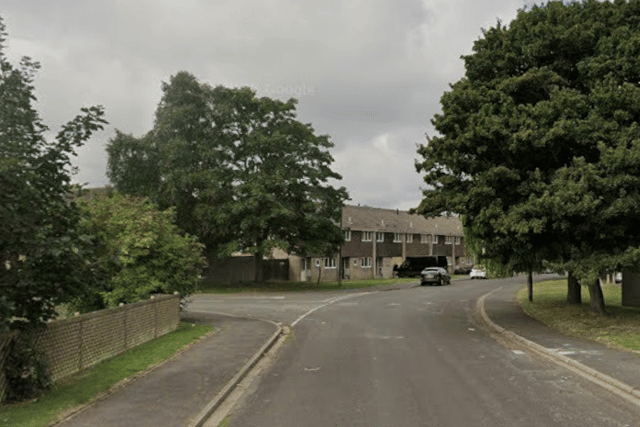

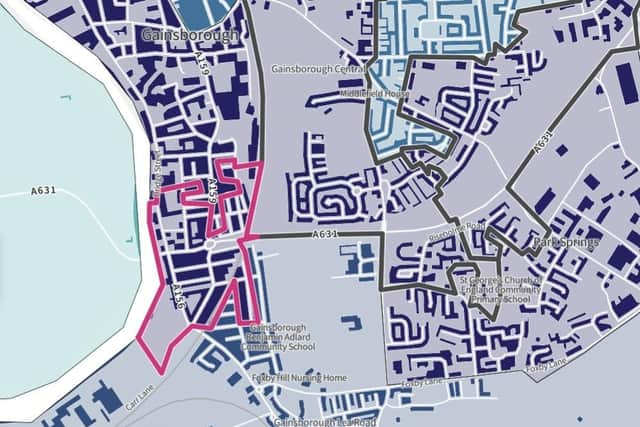
Official data shows that a section of Gainsborough is the most deprived part of the county. It’s the neighbourhood that includes Primrose Lane and lies north west of Benjamin Adlard Community School – which lies just outside of this area.
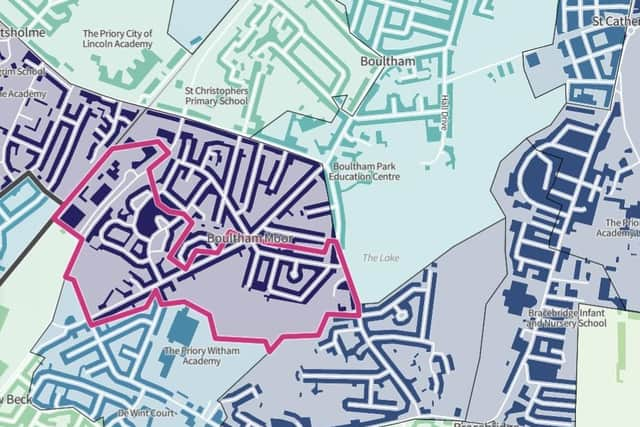
The second most deprived part of the county is the Boultham Moor area of Lincoln – which sits south of the city.
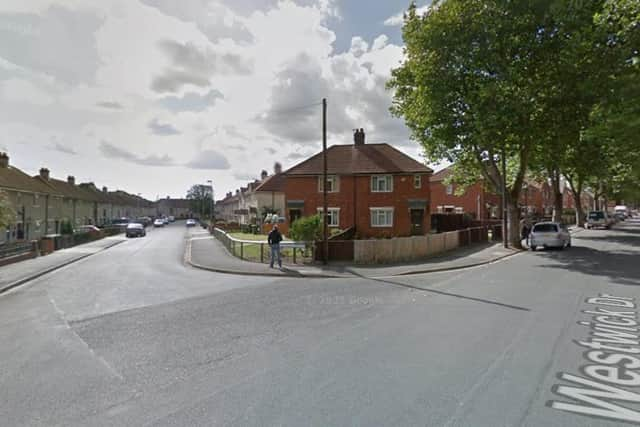
The area is bordered by Tritton Road and Rookery Lane and sits just north of The Priory Witham Academy – which isn’t within the boundary.
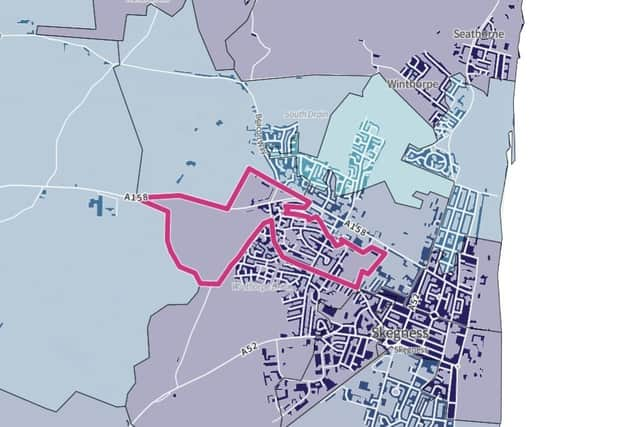
A part of Skegness is Lincolnshire’s third most deprived neighbourhood.
The area in question encompasses the streets between Lincoln Road and Burgh Road, including Alma Avenue – close to the Viking School and Skegness Academy, which fall within this boundary.
All three of these neighbourhoods are poorer than 99 per cent of England, according to the research.
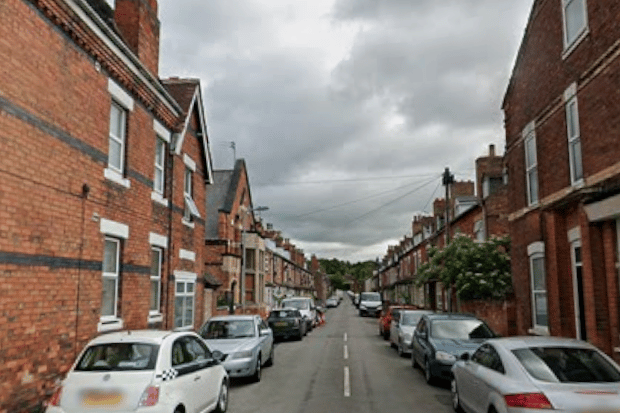
The neighbourhoods in question are LSOAs (Lower Layer Super Output Area) – which is a statistical measure of nearly 34,000 parts of the country. The part of Gainsborough in question is poorer than all bar 25 other neighbourhoods in England.
East Lindsey is the county’s most deprived district overall – and both it and Lincoln have a dozen neighbourhoods within the nation’s poorest ten per cent of areas.
In response local leaders have told the Local Democracy Reporting Service that they’re committed to supporting the most vulnerable communities and are taking steps to address this.
Leader of West Lindsey District Council, Jackie Brockway (Conservative – Nettleham and Saxilby) said: “We recognise that there are pockets of significant deprivation in West Lindsey, particularly in parts of Gainsborough, and we are committed to working alongside our communities and partners to address those challenges.
“As a council, there is so much we do behind the scenes to support our communities including working with partners across the public, business and voluntary sectors.
“We help community organisations secure grant funding, provide match funding where appropriate, and enable local groups to deliver projects that make a real difference.
“Many of the initiatives that improve people’s lives are led by community groups, and our role is often to help unlock the funding, expertise and partnerships that make those projects possible.”
Coun Brockway highlighted some of the council’s initiatives aimed at “helping those most in need” which includes the Pride in Place programme for Gainsborough West, as well as the council’s Skills Action Plan and Health and Wellbeing Strategy.
She added: “We know there is more to do, but by working together with our partners and local communities, we are creating opportunities, supporting people to thrive and ensuring investment reaches the places where it can have the greatest impact.”
Leader of City of Lincoln Council Naomi Tweddle (Labour – Minster) said that “reducing inequality” is part of the authority’s Vision 2030 priorities and said that the authority works with local organisations to “support residents facing cost of living pressures” across the city.
She added: “Through these partnerships, the council promotes access to a range of support services, including assistance with essentials such as food and energy costs, alongside longer-term help with budgeting, debt management, income maximisation and health and wellbeing.
“By connecting residents with the right support at the right time, we aim to address immediate challenges along with helping people improve their financial resilience for the future.
“To ensure support is as accessible as possible, the council provides extensive cost of living information on its website, with printed copies available on request for those who prefer or require them.
“We will continue working with our partners to ensure support is targeted where it is needed most, and vulnerable residents can access the help they need to thrive.”
Portfolio holder for communities and better ageing at East Lindsey District Council, William Gray (Conservative – Roughton) said: “Like many coastal and rural areas, East Lindsey faces long-standing deprivation driven by limited access to services, skills and employment opportunities, particularly in our coastal areas.
“The council is committed to tackling these challenges and reducing health inequalities of our residents and communities.”
He explained that the council’s healthy communities team helps people to live “healthier lives” and supports them to get into employment.
Coun Gray also explained that the Campus for Future Living in Mablethorpe helps to address the “longstanding ‘unmet’ needs” within the coastal communities.
Justin Brown, assistant director for growth, infrastructure, and environment at Lincolnshire County Council, said: “There is no simple solution towards deprivation.
“The changes since 2014 have been driven by a combination of factors including cost-of-living crises, inflation, the Covid pandemic, housing costs, low wages in some sectors, economic inactivity, poor health outcomes and barriers to accessing services.
“The underlying causes for these are complex and require sustained action and investment on a local and national level.”
Mr Brown explained that the county council works with local organisations to develop programmes to support the most disadvantaged people – and said there is more need for ‘prioritised interventions to unlock infrastructure constraints, increase labour participation, drive business productivity, and scale and target place-based inequalities’.
He added: “As such, the council’s economic approach is focused on attracting new investment and people, retaining businesses and workforce, and scaling existing economic strengths to improve productivity, wages, and opportunity for residents.”
A spokesperson for Citizens Advice Lincoln and Lindsey said that deprivation has become more of an issue in recent years.
They explained: “A ‘crisis’ used to be a one-off, once-in-a-generation event. Something to live through and come out the other side.
“Now it’s a monthly reality for millions. The average amount of debt owed by people Citizens Advice helps has hit a record £10,449, up 13% on last year.
“On average, more than a third of this debt (42%) is arrears on essential bills, such as energy and council tax.
“Last year, Citizens Advice Lincoln & Lindsey supported with circa 29,000 pieces of advice to residents across East & West Lindsey and Lincoln, which centred around holistic support with debts, maximising income alongside housing, and employment advice”