
Changes to the planning system branded 'detrimental' step by local leaders
Radical changes to the planning system have been branded a ‘detrimental step’ that risks the ‘erosion of democracy’ by leading voices.
As part of Government changes to speed up the planning system, more decisions will be made by council staff and fewer by elected members.
As a result, most councils will have fewer planning committee meetings – and only a handful of developments will have an open discussion in public.
Officers and councillors discussed the changes at a South and East Lincolnshire Councils Partnership briefing on Wednesday, October 14.


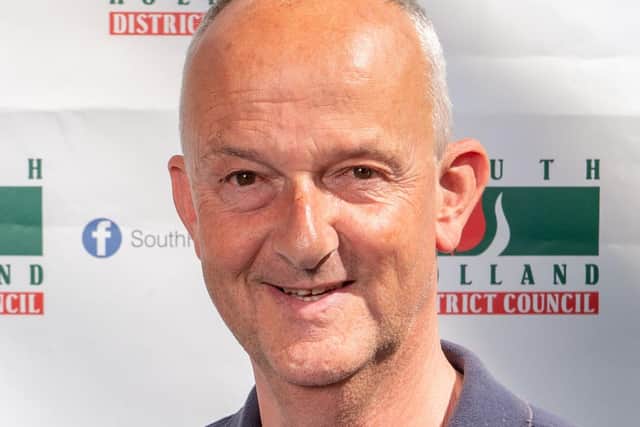
South Holland District Council planning committee chair, James Avery (Conservative – Pinchbeck and Surfleet) said: “I think planning is probably the most emotive subject to local councils – and certainly to local residents – and transparency of that decision-making is vital to maintaining openness and avoiding the erosion of democracy. Sadly, I think that openness will be lost.”
East Lindsey District Council portfolio holder for planning Tom Ashton (Conservative – Sibsey and Stickney) said it was a dangerous move akin to ‘hammering the safety valve shut’.
He said: “Big applications will probably still end up at a planning committee. It’s the smaller ones that fall under the threshold.
“It’s the nine houses on a much valued bit of open space in a village, for example, that causes a great deal of local concern.

“Having an opportunity to hear that application and debate it in public has been a really important part of the democratic process.”
Coun Ashton went on to warn that the changes will reduce residents’ ability to have their say and explained that ward members will no longer be able to ‘call in’ an application to be considered by the committee.
Boston Borough Council’s planning committee chair Peter Bedford (Independent – Coastal) was also critical of the changes.
He said: “It is the removal of our local powers and democracy as far as the majority of councillors are concerned. The removal of the call-in is definitely a detrimental step.”
Under the new changes, which come into force on October 31, only major applications or those which affected listed buildings will now be decided by councillors at planning committee meetings.
Small developments of up to nine homes, commercial schemes and extensions will be determined by planning officers.
A small number of applications will be decided by the chairman of the planning committee and planning officers – called the ‘gateway process’.
This means that applications for 10 homes or more will be assessed by the planning committee chair and a nominated planning officer who will decide whether it needs to go to a planning committee meeting or not.
Only particularly controversial or significant applications are likely to make it to a planning committee meeting.
Phil Norman, service director for planning and strategic infrastructure for the South and East Lincolnshire Councils Partnership, said: “In councils up and down the land, with certain types of applications, the final decision is delegated to officers and on other occasions it is officers recommending to the planning committee to take the final decision.
“The Government is looking to standardise that across the country because councils up and down the land have very different constitutions as to how that balance is made between officer and member decisions.
“It’s very much a move about consistency and also with a view to supporting the Government’s target to deliver 1.5 million homes in this Parliament.”
Mr Norman stressed that the consultation process will remain the same and interested parties will still be able to submit their comments to be taken into account in the decision-making process.
The Government was contacted for comment.